Libreville / Photographer
MOUKADI: ART DOES NOT ALWAYS NEED RATIONAL EXPLANATION
Based in Libreville, Gabonese photographer Nyangone Tshimanga Sarah Naomi - better known as Moukadi- centers her lens on the nuances of Black existence and the human experience. Through her documentary work and her platform WHY NOT AFRICAN, she re-centers the continent's craftsmanship and stories, moving away from the trauma-heavy themes often imposed by the Western gaze. Moukadi advocates for artistic equity, where the work of Black creatives is judged by its creative value rather than its social optics. She speaks about why true progress means a future in which art is no longer reduced to the artist's ethnicity.
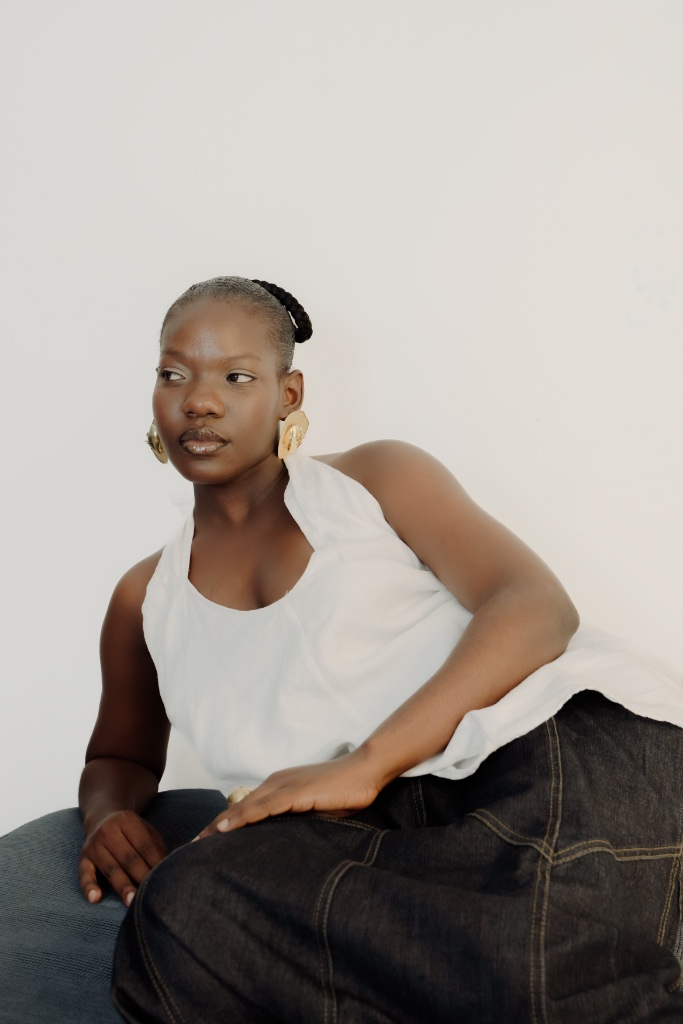
"True progress will come when we no longer need to say
"as a Black artist", because we rarely hear 'as a white artist' or 'as a heterosexual artist'."
© Moukadi
© Moukadi
AKUA STUDIOS:
Who are you and what do you do? What drives your creative practice?
MOUKADI:
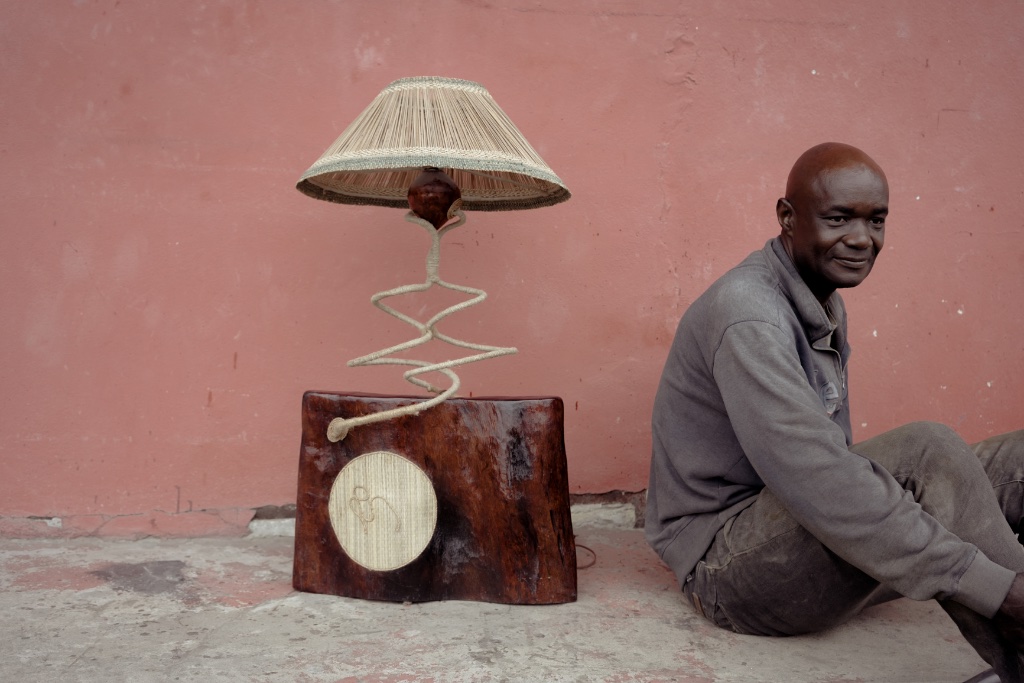
I am a Gabonese photographer based in Libreville since 2017. My work centers on the human experience — emotions, contradictions, relationships with the world — with a particular focus on Black identity and existence. I integrate Gabonese cultural codes and explore themes related to the environment, humanity, feelings, and existential questioning. Some of my series reflect my own personal journey. I am also a documentary photographer. Through my platform WHY NOT AFRICAN, I aim to re-center interest in consuming African design, craftsmanship, architecture and cultural practices from the continent and its diaspora. Africa has always been at the heart of my creative practice — its stories, its realities, my dreams for it, and the way I experience it daily.
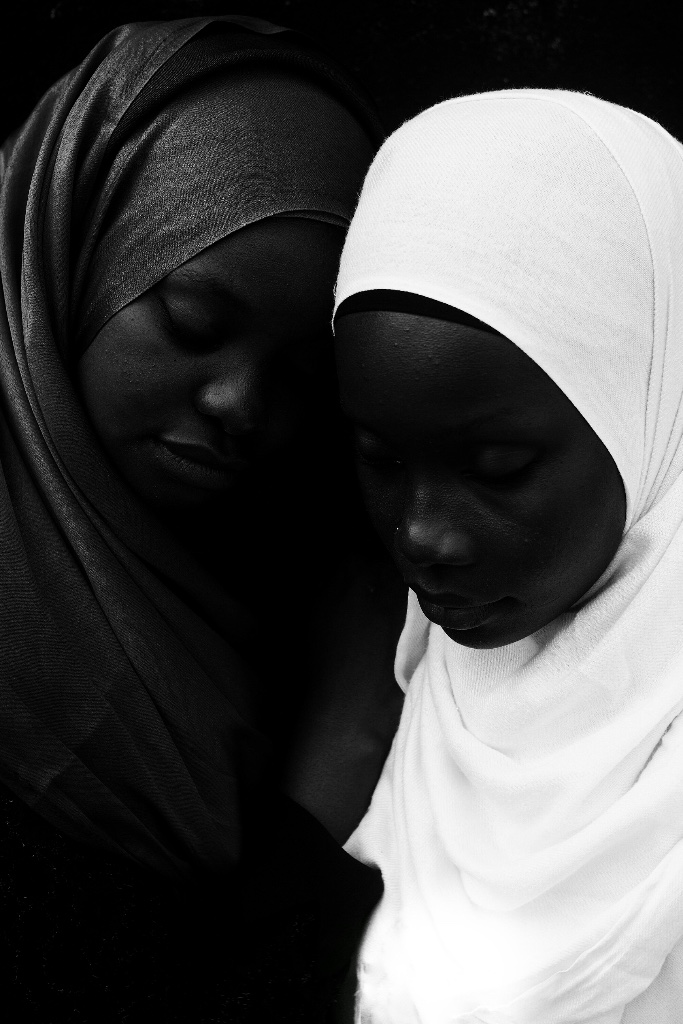
"This work highlights what often lacks in European creative spaces: a nuanced and accurate representation of racialised people who face discrimination, racism, and underrepresentation."
© Moukadi
AKUA STUDIOS:
We all hold multiple identities. Can you share a moment when your work powerfully expressed one or more aspects of your identity — particularly those that feel underrepresented in European creative spaces?
MOUKADI:
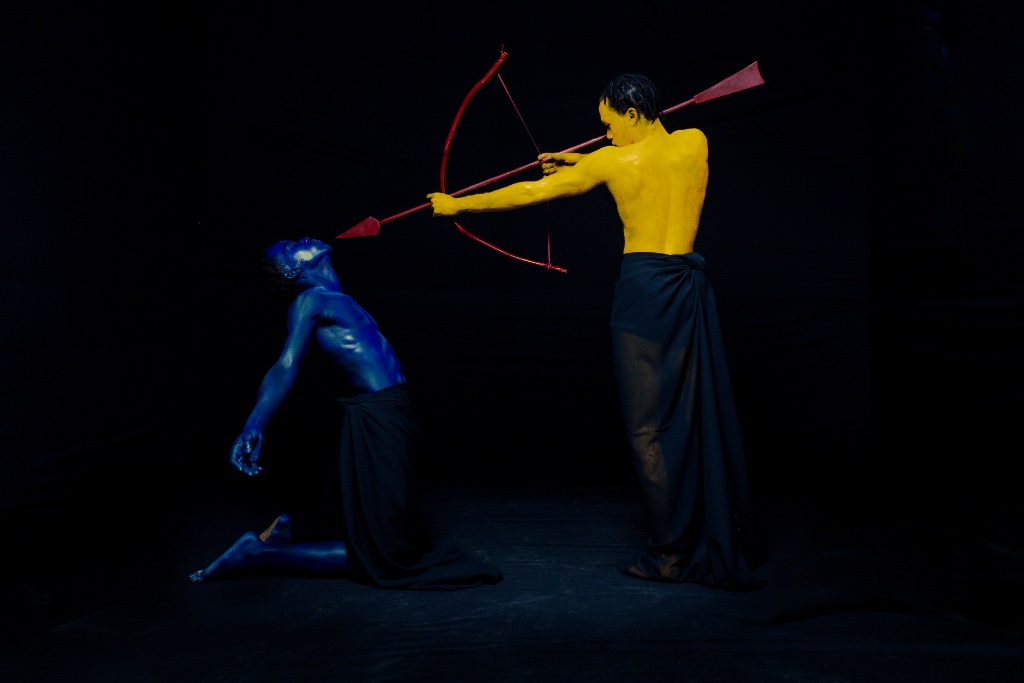
One of the clearest examples is my photo series "Sisterhood". I portrayed two young Senegalese women, Muslim, veiled, and living in a foreign, majority Christian country. This series reflects my ability to embrace perspectives different from my own. I am Christian, and the way these women opened up to me after meeting them by chance. They shared their experiences as immigrants, as women, as Muslims, in front of my lens. This work highlights what often lacks in European creative spaces: a nuanced and accurate representation of racialised people who face discrimination, racism, and underrepresentation. Although my professional connection to Europe is still limited, this series stands as an important expression of identity and cross-cultural sisterhood.
© Moukadi
AKUA STUDIOS:
When navigating creative spaces in Europe, what barriers have you encountered? How do you maintain authenticity despite these?
MOUKADI:
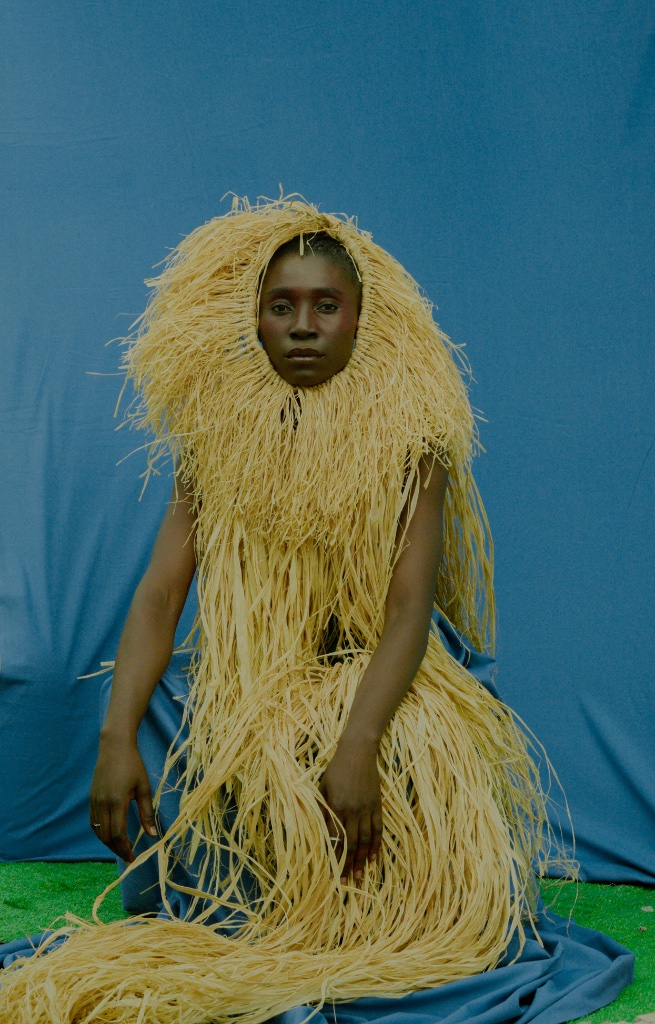
My interactions with European creative spaces have been limited, yet marked by moments of misunderstanding. During an artistic residency in Libreville organized by a French Institute, the French curator leading the program seemed uncomfortable with the fact that my project was partly grounded in my faith. Our exchange was tense: she encouraged me to redirect my project toward a more "open" approach to reach a broader audience. Although she was sincere, many of us felt our artistic narratives were gently steered to align with their standards rather than our own intentions.
"African artists are constantly expected to speak about trauma, slavery, or spirituality — themes rarely imposed on white artists."
© Moukadi
MOUKADI:
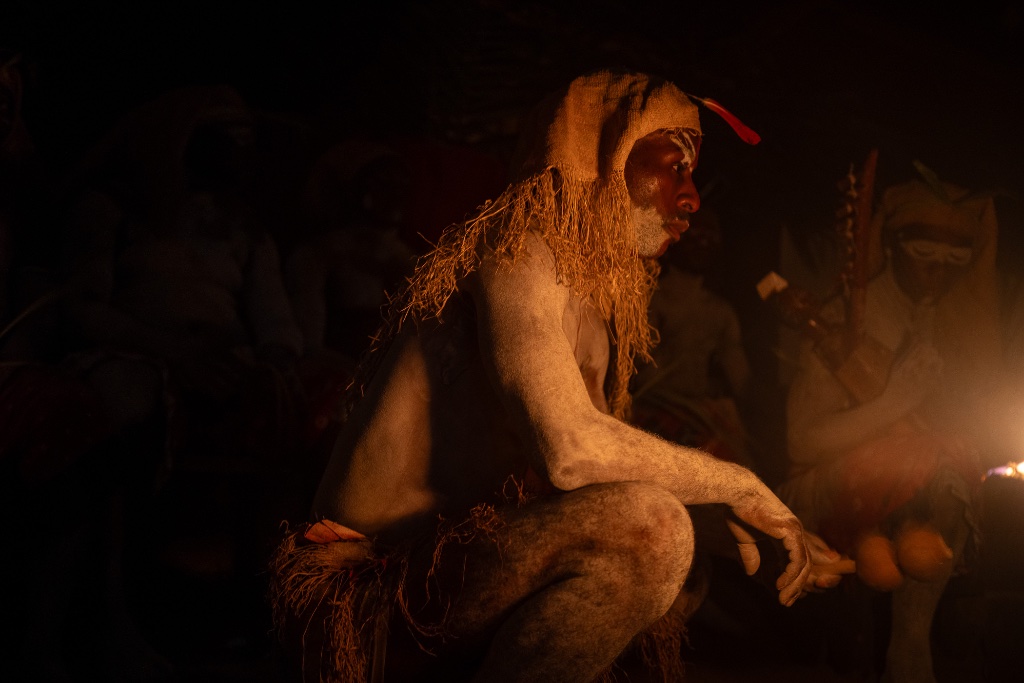
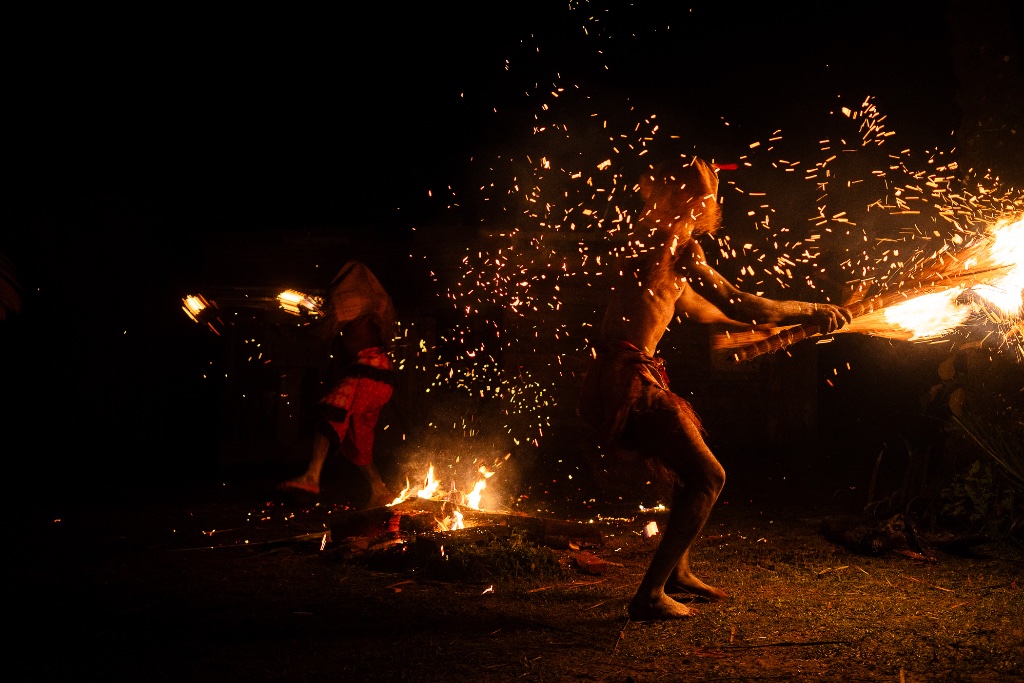
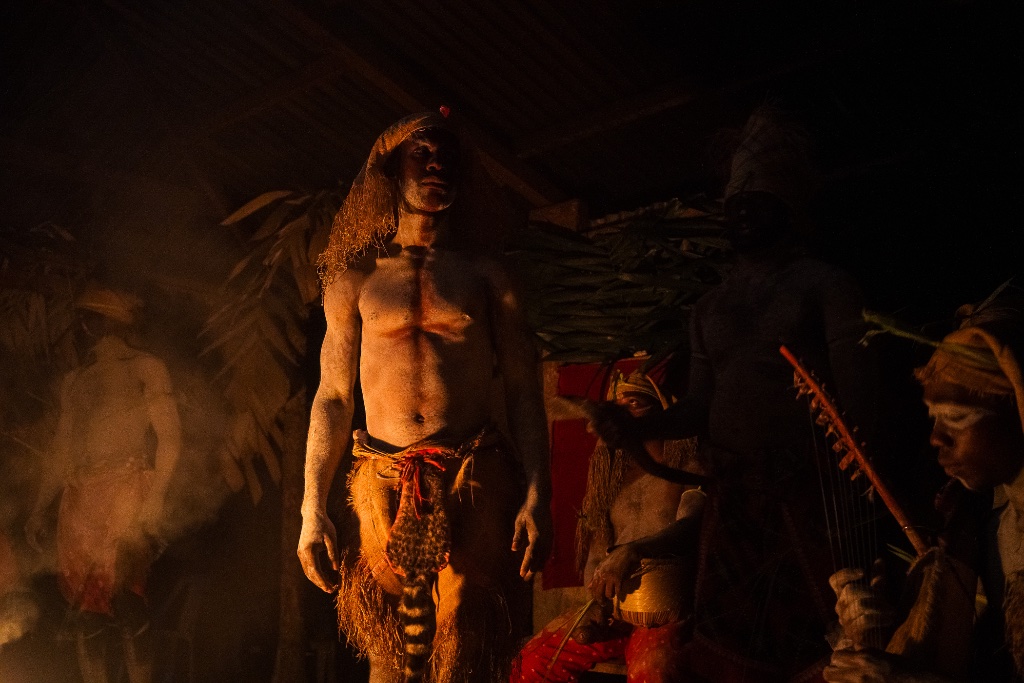
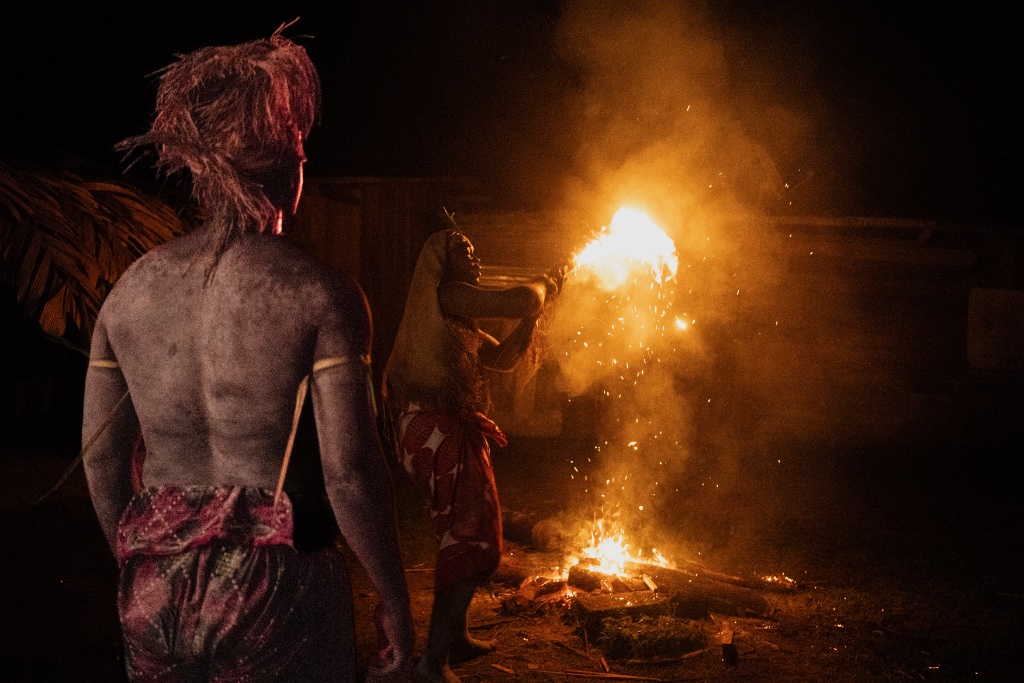
Another experience involved a white curator from a major French museum. He showed little interest in my artistic approach, because I believe art does not always need rational explanation. I also create from sensations, colors, feelings, and aesthetic codes tied to Gabonese Black culture. His interest immediately increased when my colleague mentioned the Bwiti, a Gabonese spiritual rite. I often feel that African artists are constantly expected to speak about trauma, slavery, or spirituality — themes rarely imposed on white artists. Staying authentic means accepting that some opportunities may not align with your values. It sometimes means taking a longer, more independent road. I'm not saying my work is always perfect; I am expressing a shared reality observed among many artists on the continent.
© Moukadi
© Moukadi
"If non-marginalized artists are selected solely for the quality of their work, the same should be true for everyone."
AKUA STUDIOS:
Visibility vs. Tokenism — where do you draw the line? Can you share an experience that illustrates this distinction?
MOUKADI:
I don't have a specific personal example, but I have a clear opinion: Tokenism is visibility imposed based on identity or appearance. True visibility is recognition based on artistic work and creative value. What marginalized artists really want is not to be chosen because of their identity, but because of their art. If non-marginalized artists are selected solely for the quality of their work, the same should be true for everyone. Underrepresentation happens when institutions choose based on social optics rather than artistic equity.
© Moukadi
© Moukadi
AKUA STUDIOS:
Beyond just "being seen", what does meaningful representation look like to you in practice as a Black creative in Europe?
MOUKADI:
Meaningful representation means my work is not reduced to my ethnicity. History has often pushed us to tell Afro-centered stories — necessary but sometimes expected. True progress will come when we no longer need to say "as a Black artist", because we rarely hear "as a white artist" or "as a heterosexual artist". If we still must emphasize our identity, it reveals how limited our visibility remains. Every appearance becomes a big opportunity, sometimes a responsibility, to fill that gap.
AKUA STUDIOS:
How would you wish to see the creative industries evolve in the next 5 years?
"I hope to see equity-based practices, selection grounded solely in artistic criteria, and a truly inclusive creative ecosystem at all levels."
What to read next
Amsterdam · Creative Producer
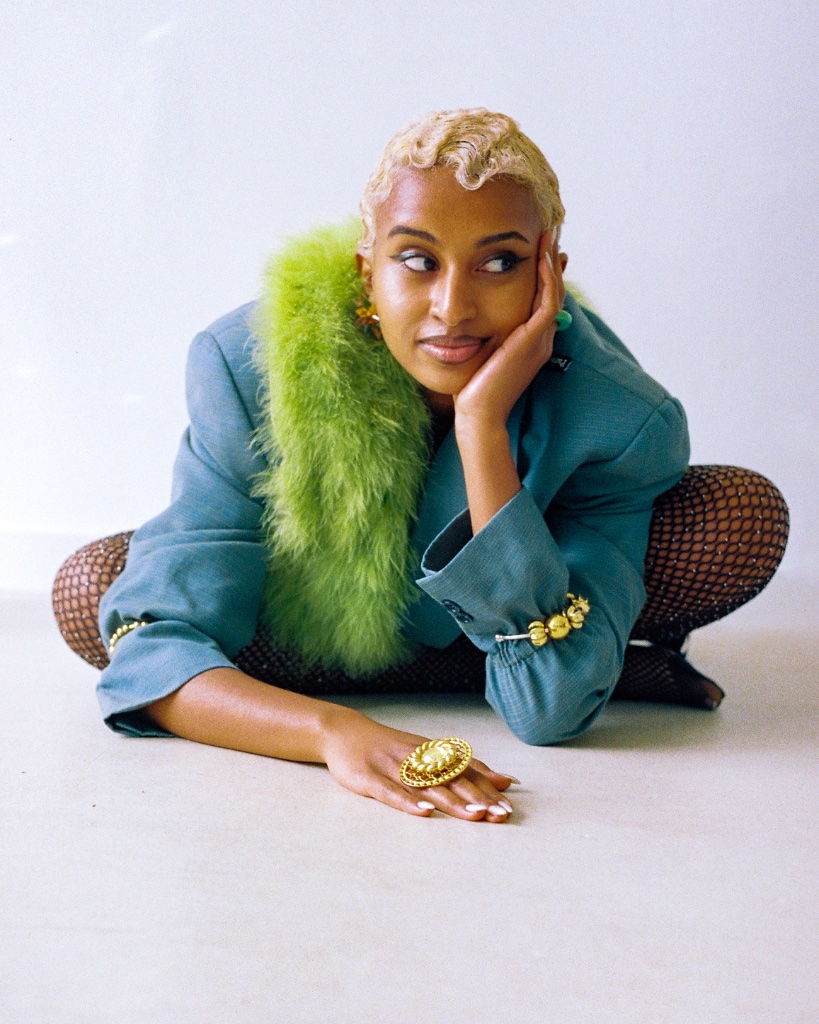
RAKEB ACCAL: SHAPING SPACES WHERE WELLNESS AND CULTURE MEET
Moving between the worlds of artistic expression and collective care, creative producer Rakeb Accal is shaping spaces where wellness and culture intersect, especially for women of color. Rakeb prioritizes the rituals, the stillness, and the deep connections that make projects feel alive over the final output. She advocates for a new industry standard: one that prioritizes human connection and cultural integrity over mere productivity. Here, Rakeb opens up about true visibility- one that shows up with softness, complexity, and life in its own rhythm.
Zurich · Music Producer
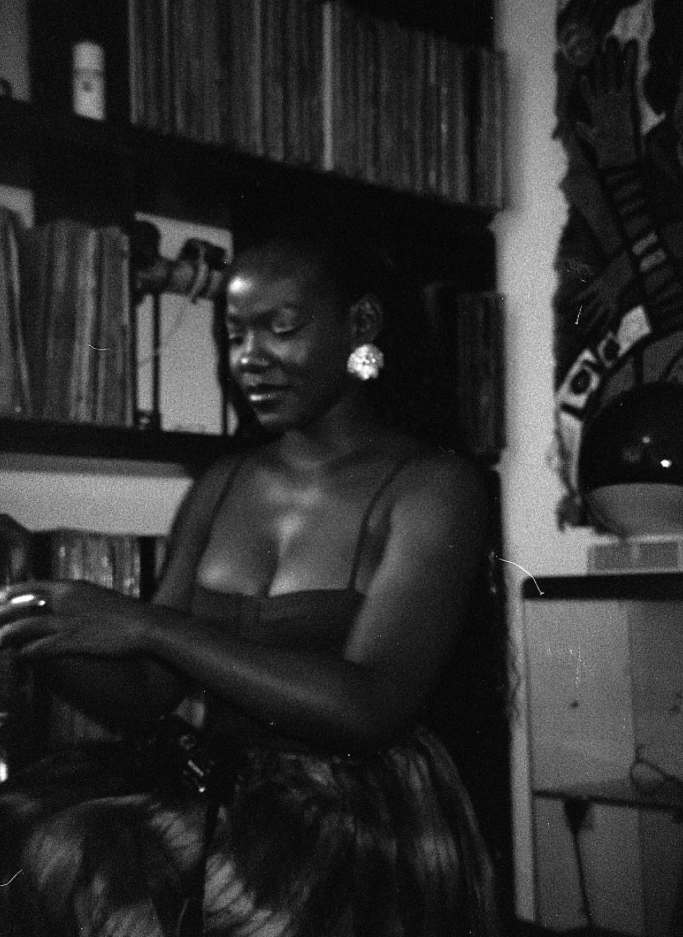
ALEXIA THOMAS ON SOUNDS, INDEPENDENCE AND WHY REPRESENTATION FUELS CHANGE
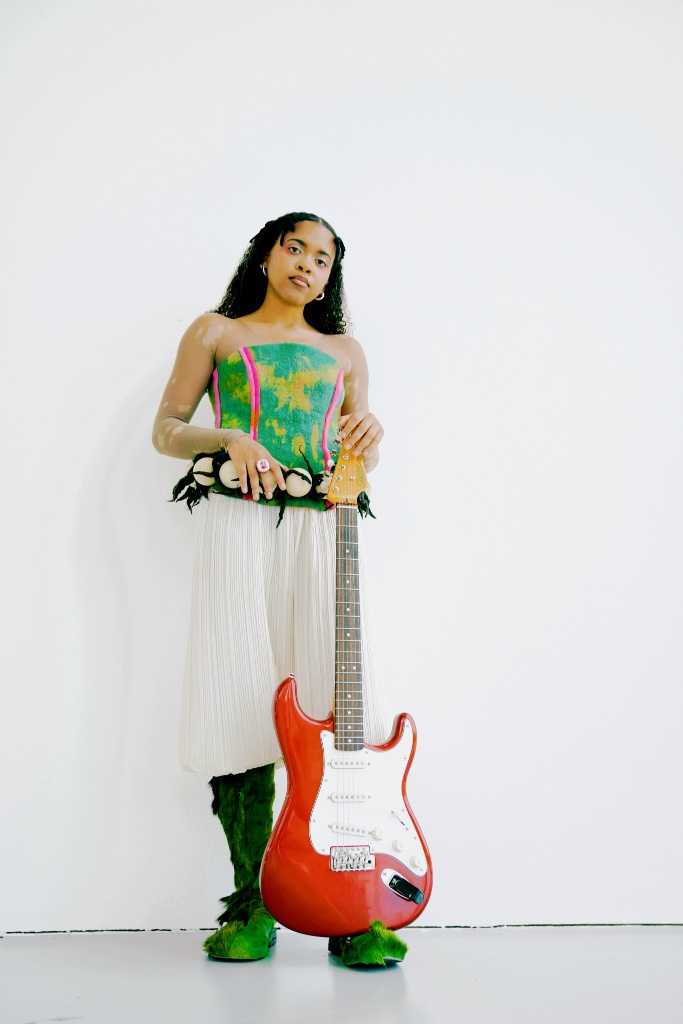
For Alexia Thomas, music is both a journey of self-discovery and an act of structural defiance. The Basel-based producer sees her craft as a continuous source of nourishment—not only for herself, but for a cultural landscape still grappling with the need for genuine representation behind the scenes. Today, Alexia speaks about the power of visibility for Black creatives in Europe and why independence and perseverance remain essential to creating lasting structural change.
Zurich · Photographer
BINTA KOPP ON CREATING WORLDS OF CONNECTION AND COMMUNITY
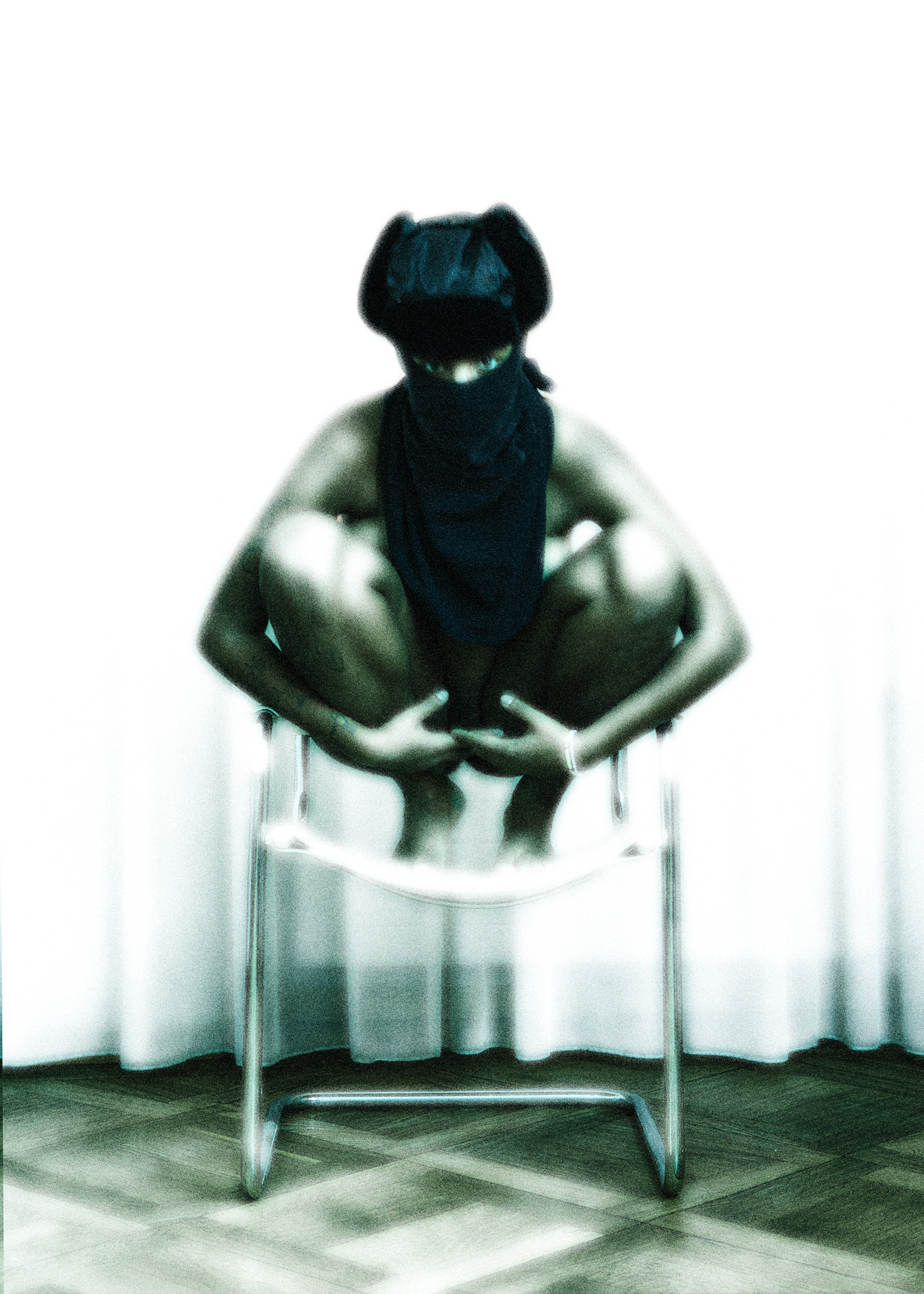
Moving between photography, film and music, the Zurich-based artist Binta Kopp creates intimate worlds shaped by emotion, presence and human connection. Her images do not simply document people—they make space for them to exist on their own terms. With a practice grounded in sensitivity and community, Binta is interested in the moments that feel honest, unguarded and real. In our conversation, she reflects on the power of creating spaces where people feel understood, and imagines a creative landscape that leaves more room for experimentation, collaboration and a wider range of voices.
London · Visual Artist
LAKIN OGUNBANWO: A MEETING POINT OF IDENTITIES
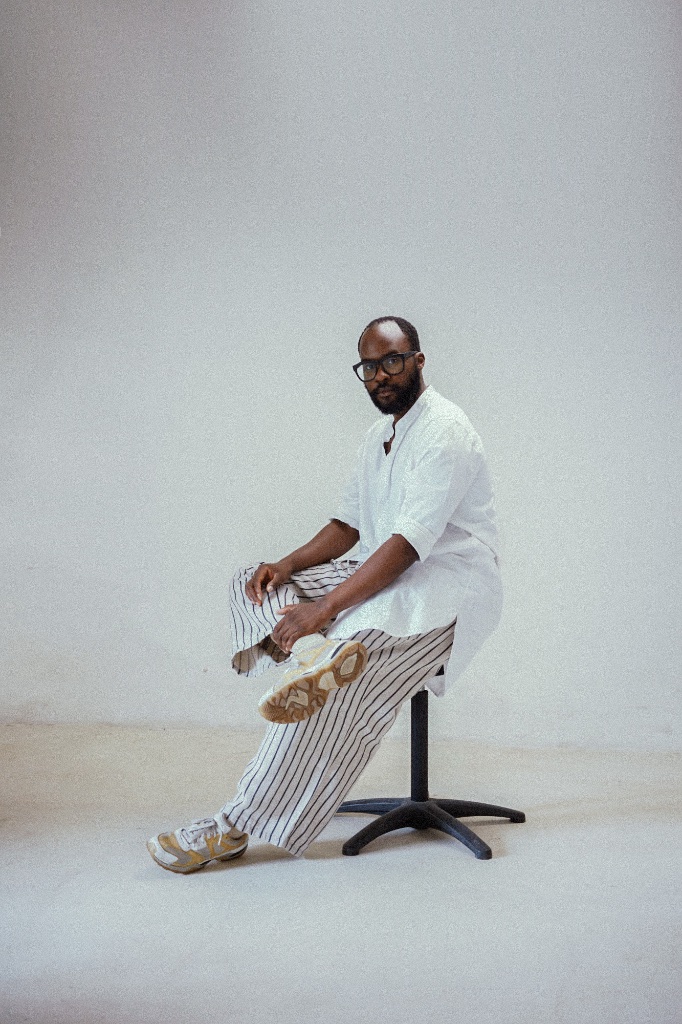
For Lakin Ogunbanwo, the creative process is an act of self-observation. Once known primarily as a photographer, the Nigerian artist is now expanding into collage and writing, refusing to define his practice too neatly. While his work often travels to European markets, Lakin remains firmly rooted in the cultural logic of his home, viewing the Western art world as a marketplace rather than a source of belonging. We spoke with the London-based creative about the power of staying curious, the nuances of Yorubaness, and why true authenticity comes from creating for your own community first, while letting the rest of the world simply bear witness.
Follow us on Instagram to stay updated on all things
AKUA STUDIOS

