Zurich / Music Producer
ALEXIA THOMAS ON SOUNDS, INDEPENDENCE AND WHY REPRESENTATION FUELS CHANGE
For Alexia Thomas, music is both a journey of self-discovery and an act of structural defiance. The Basel-based producer sees her craft as a continuous source of nourishment—not only for herself, but for a cultural landscape still grappling with the need for genuine representation behind the scenes. Today, Alexia speaks about the power of visibility for Black creatives in Europe and why independence and perseverance remain essential to creating lasting structural change.
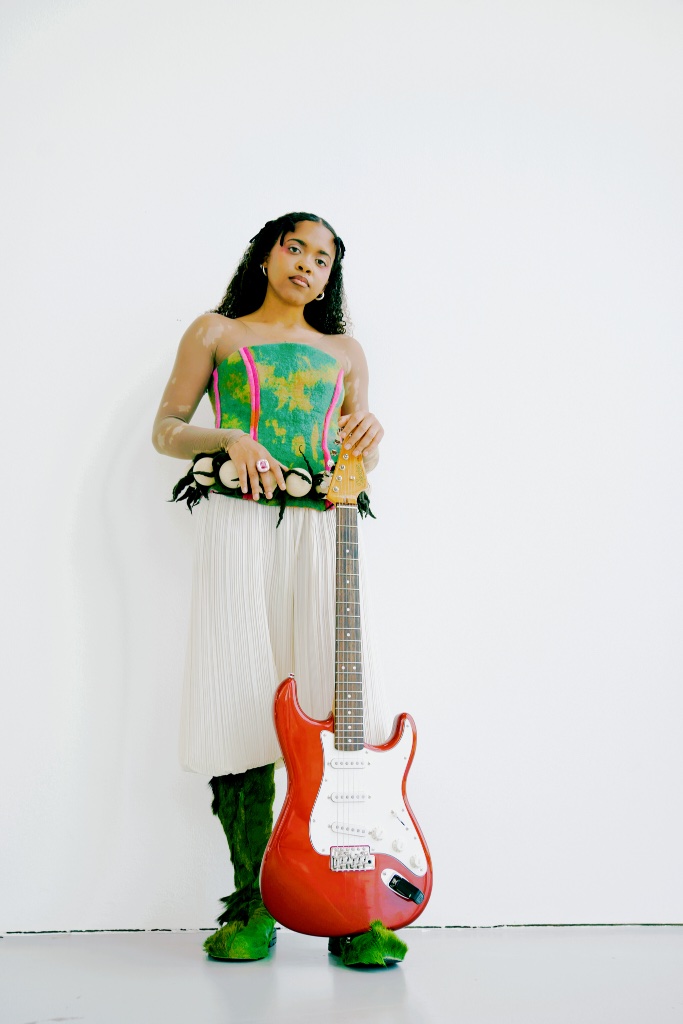
"I can't even describe how much passion I have for music production. Nothing in the world can give me the same feeling as when I'm in a studio."
© Alexia Thomas
© Alexia Thomas
AKUA STUDIOS:
What do you do?
ALEXIA:
I am a music producer, musician, singer, rapper, music production teacher.
AKUA STUDIOS:
What inspired you to become a music producer?
ALEXIA:
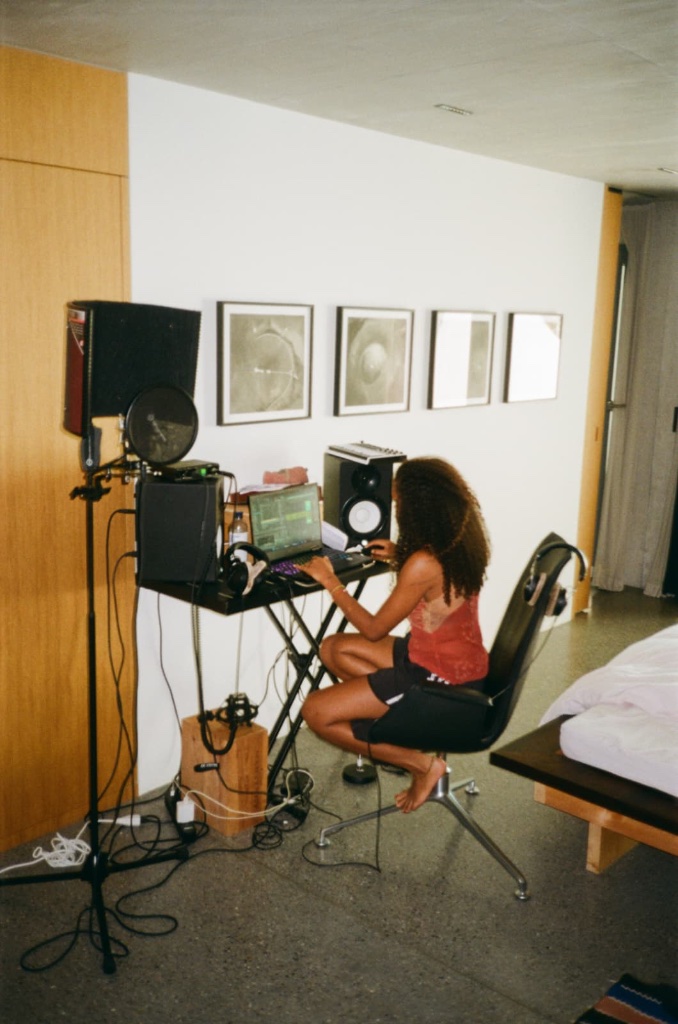
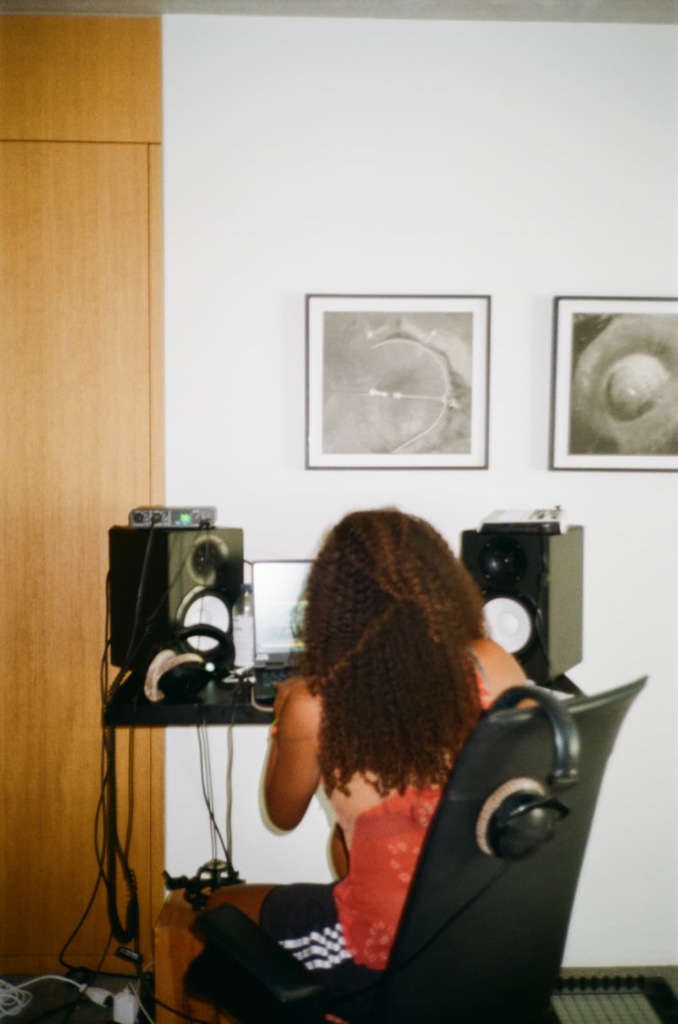
To be honest, I probably started composing my own songs because of piano. I started playing classical piano when I was nine. At some point, I went to high school for classical music, and I was already composing songs — like singing and playing the piano. Then I realised I need some drums and a bass line. My godfather actually told me I should download Ableton, which is a program you can use to produce music. I did that in my A-Levels. I taught myself how to produce, and I wrote my thesis about music production.
© Alexia Thomas
© Alexia Thomas
AKUA STUDIOS:
What's the most rewarding part of being a music producer?
ALEXIA:
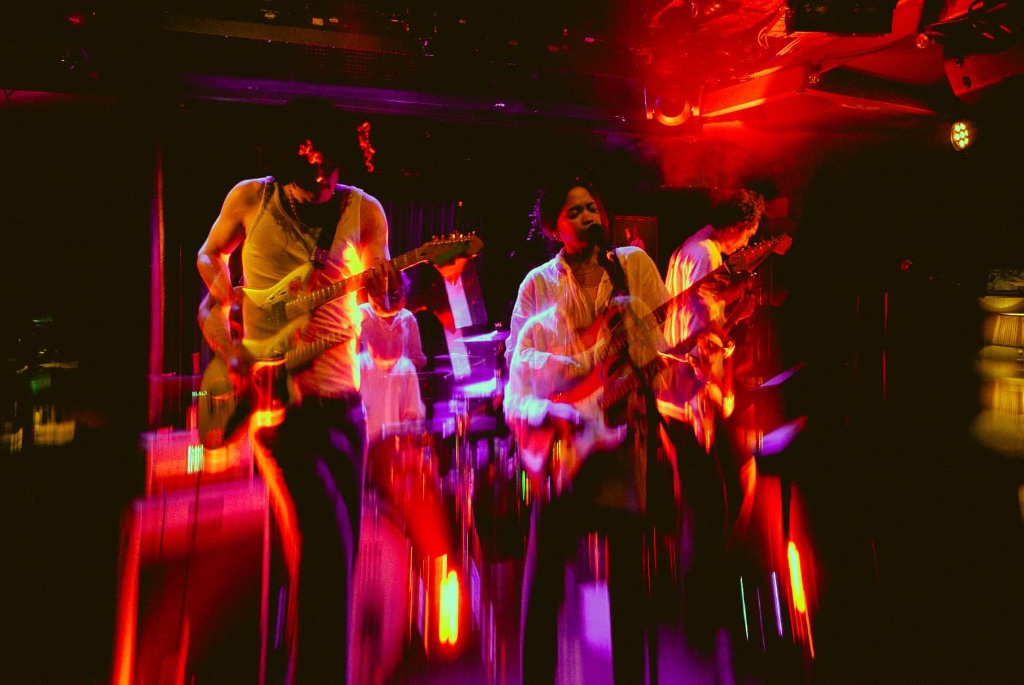
Having a passion where you can do whatever you want and have no limits. Having your own playground, where you can really put that creativity that flows through your mind. Not just for myself and my two music projects, but also for my fellow musicians I work with - whether I'm producing for them, for film or for other projects. And music production for me is the most... I can't even describe how much passion I have for music production. Nothing in the world can give me the same feeling as when I'm in a studio.
© Alexia Thomas
© Alexia Thomas
"I wish for more people of color to work also behind the scenes as bookers, as agents, as bosses of cultural institutions."
AKUA STUDIOS:
What's the story behind Dudette?
ALEXIA:
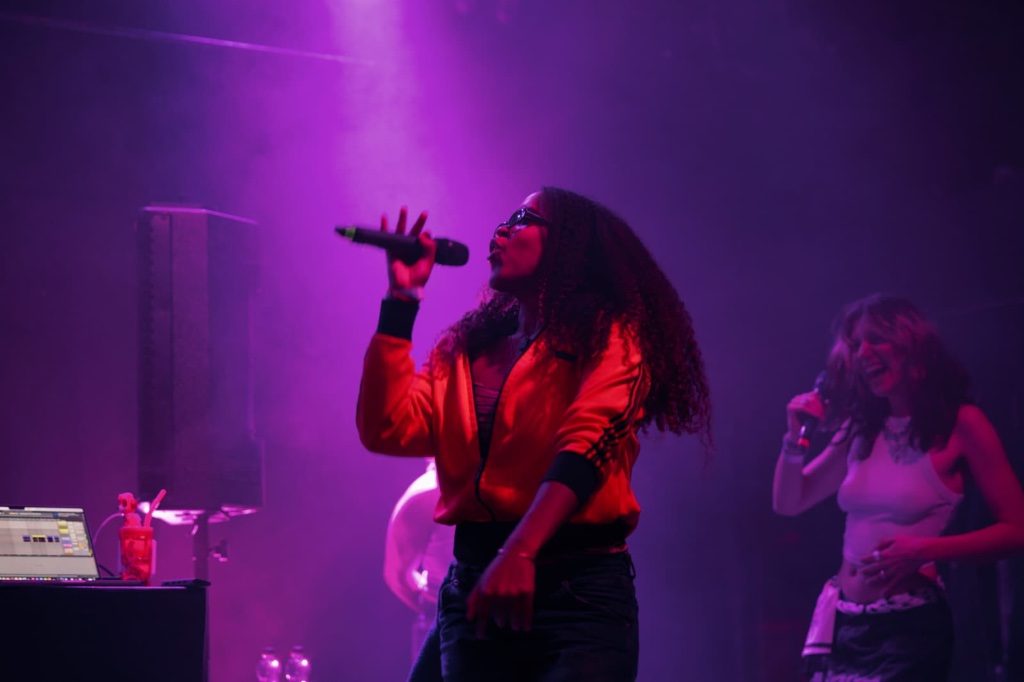
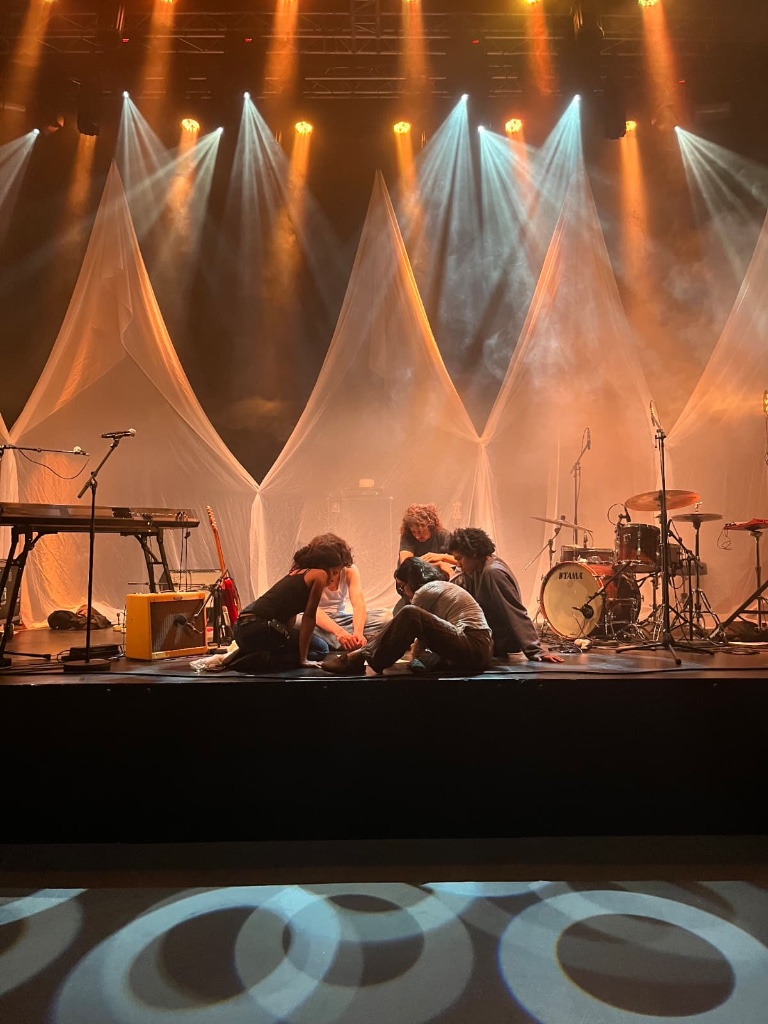
Dudette? That happened quite randomly. I was at home producing my tunes. When it comes to my project as Alexia Thomas, I do all sorts of music genres. I usually do more indie pop, dreamy, electronic stuff. And then I do some more upbeat stuff. At some point, I was at home and thought, oh, this is nice to rap over. So I started rapping in English. But my English felt too posh for rap. And Swiss German felt too cringe for me personally, so I ended up doing German rap instead. I did six years of theatre, so I kind of have a "good Bühnendeutsch". I performed that track — or I think it was like three tracks — at a concert, where I normally did electronic music. And people were like, "Oh, can you do German rap?" They encouraged me to release it and that's how the Dudette was born.
© Alexia Thomas
AKUA STUDIOS:
What does visibility mean to you as a Black creative in Europe?
ALEXIA:
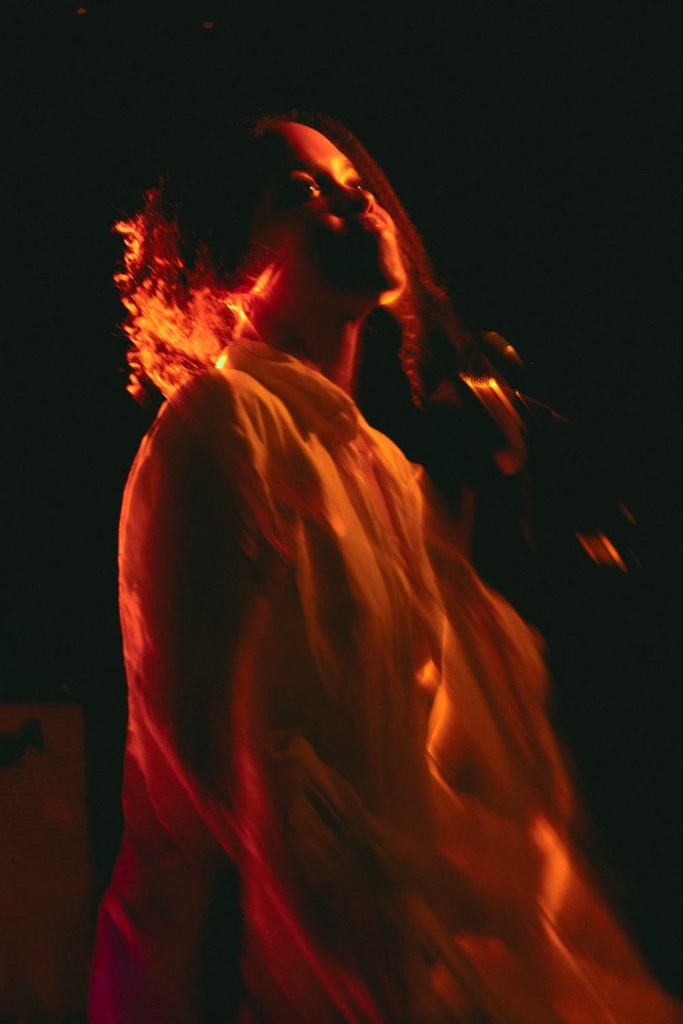
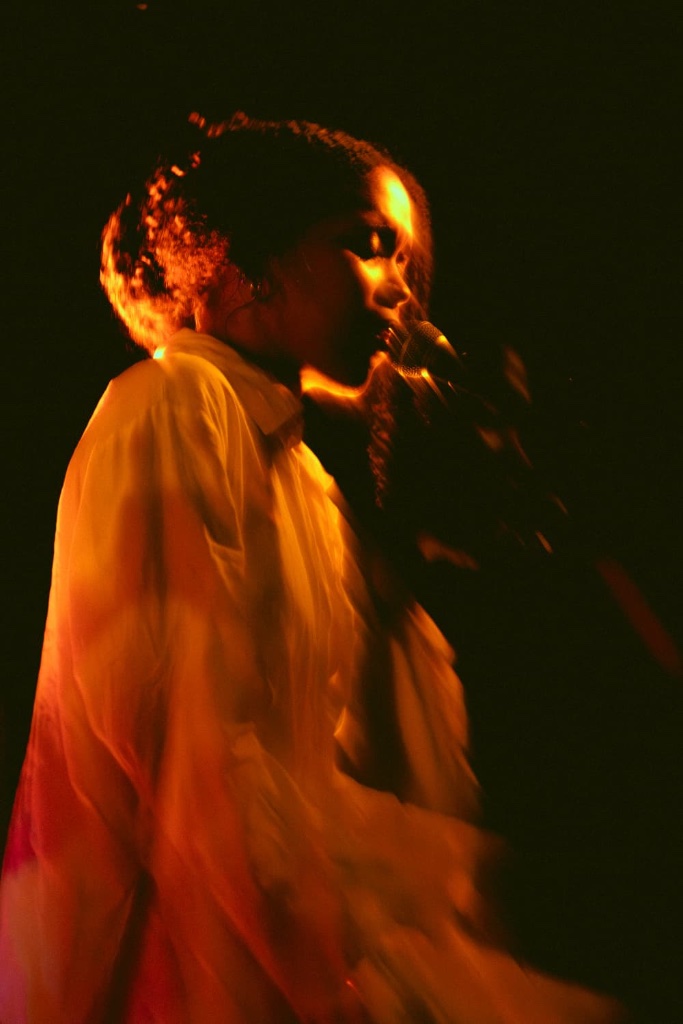
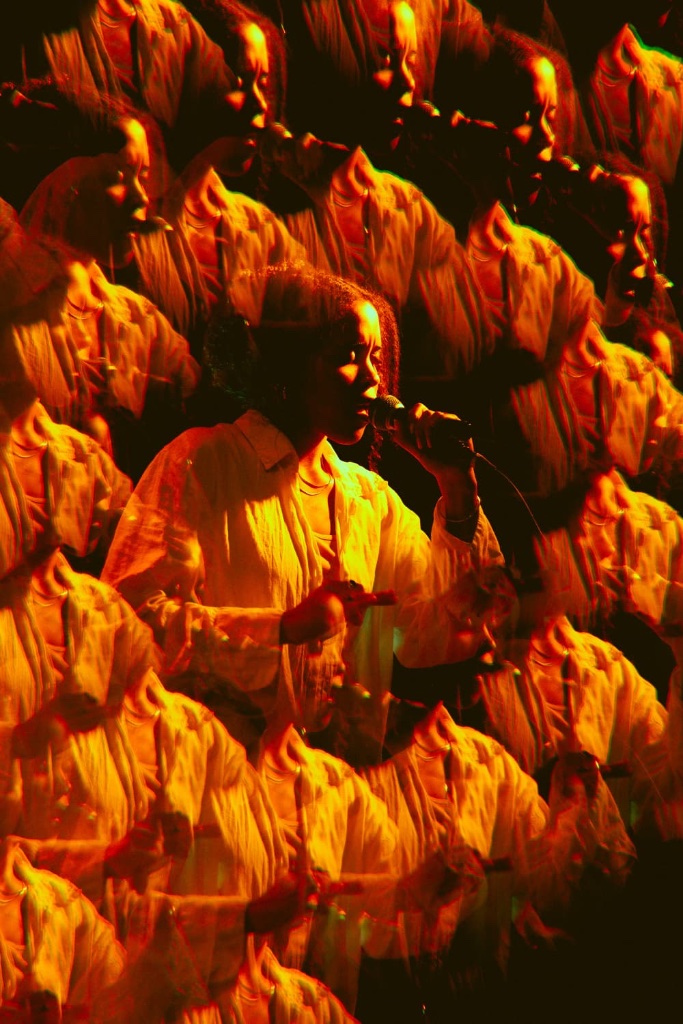
I think it's really important for Black creatives in a dominantly white part of the world to have a certain amount of visibility. And I can see that things are evolving. Every year, more and more people of colour are being booked for concerts or requested to work on creative projects.
Some people might see it as: "Yeah we have to fulfill a quota" and they try to fight against that idea. For me, I'm kind of taking advantage of it. I'm just accepting it. I'm like, hey — if I'm the only Black person at this festival, so be it. But it has to happen somewhere. For me, it's important to embrace the requests I get. And I actually get a lot of requests, which is really cool. I don't even know exactly why or how, because I don't have millions of listeners. But I'm super grateful and happy that things are changing. You can feel it. People are trying to make a difference.
I always tell people: visibility is important for Black creatives in the art scene and in the music scene. Especially because a lot of white people work as bosses and decision-makers. They have to hear it from us — or from their fellow white colleagues — to actually create change.
"A lot of people might see it as, yeah, we have to fulfill a quota and they try to fight against that — and for me, I'm kind of taking advantage of it."
© Alexia Thomas
© Alexia Thomas
© Alexia Thomas
© Alexia Thomas
AKUA STUDIOS:
Do you feel represented in the creative industry in Basel? If yes, when was the last time and how did it make you feel?
ALEXIA:
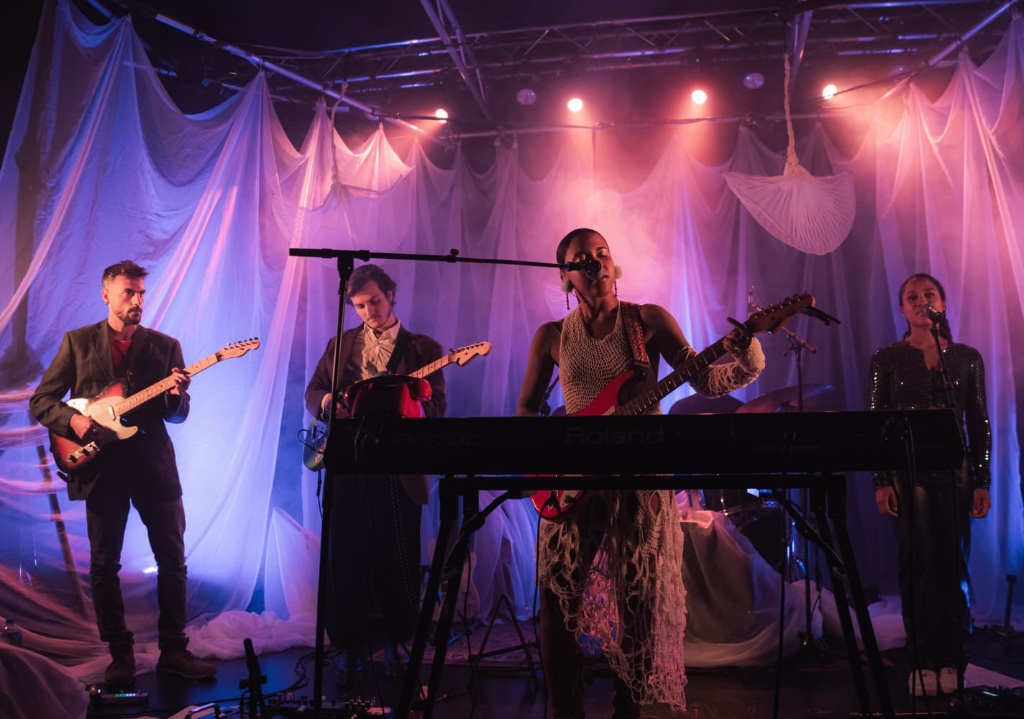
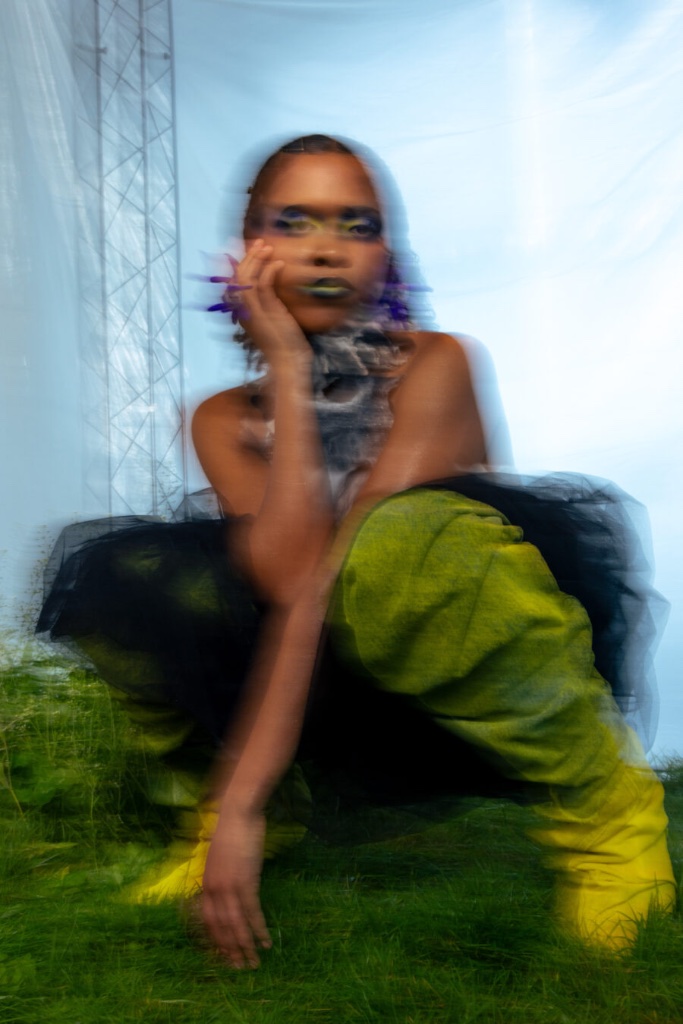
Yes. That's a good question — when was the last time? This year has actually been quite insane. At times, I've been playing Basel almost every second week. I've performed also on the Barfüsserplatz, clubs and on big stages — I think around five times this year alone. I don't even know if any other artist has played there that often. But what's really cool is that there's always a context. It's not like, "Oh, we need a Black artist, let's book her." It actually fits the music, the concept, the vibe. That makes a big difference.
I think summer was definitely a high point. I had a lot of gigs across Switzerland, but Basel really pushed me. Also, receiving funding from the music department of Basel helped me a lot — especially for producing an album and touring with a band. So yes, I feel quite lucky. Basel is a really, really good place to be as a musician.
© Alexia Thomas
"Sometimes I wish I could multiply myself and do everything at once. But it takes time and I also have to take care of myself."
AKUA STUDIOS:
What are you working on right now?
ALEXIA:
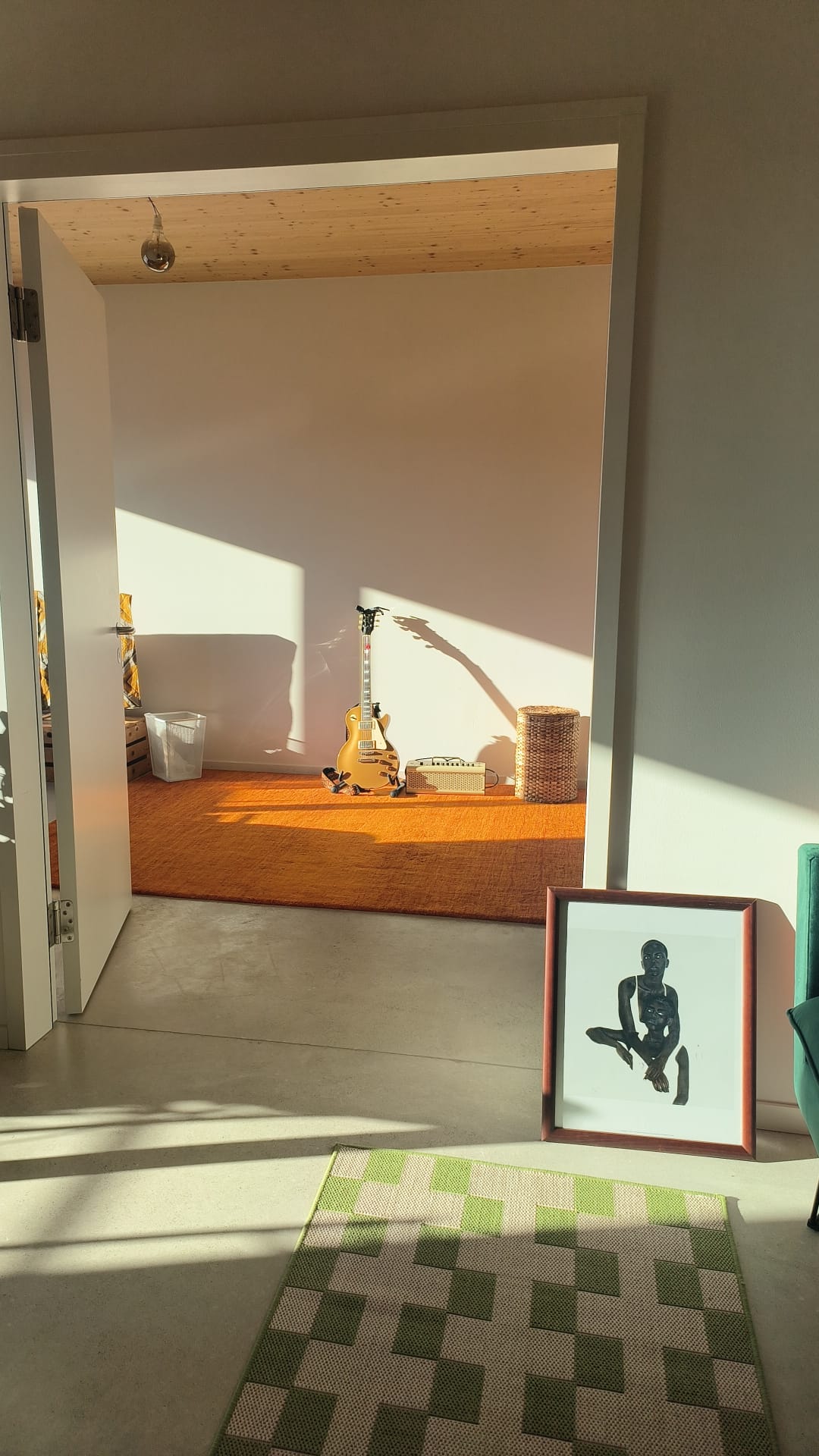
Too much. So my most important project right now is having my own studio. After seven years of music production, I finally have my own four walls where I don't live or study. But it is really just music production. It's under construction right now — it's basically a construction site, but it's cool.
I'm also working on two EPs as Alexia Thomas. I'm hoping to collaborate with one of the labels that requested to work with me last year, so I'm going to pitch that EP very soon. I still got some work on that too. And the other EP is more mellow — also really cool — but one step at a time.
And with Dudette, I'm working on another EP. Altogether, I think I'm working on around 20 songs. So it's two music projects and also other projects that I'm producing — kind of film-ish projects and productions for other musicians. I'm also trying to get more into the film scene, especially film music production.
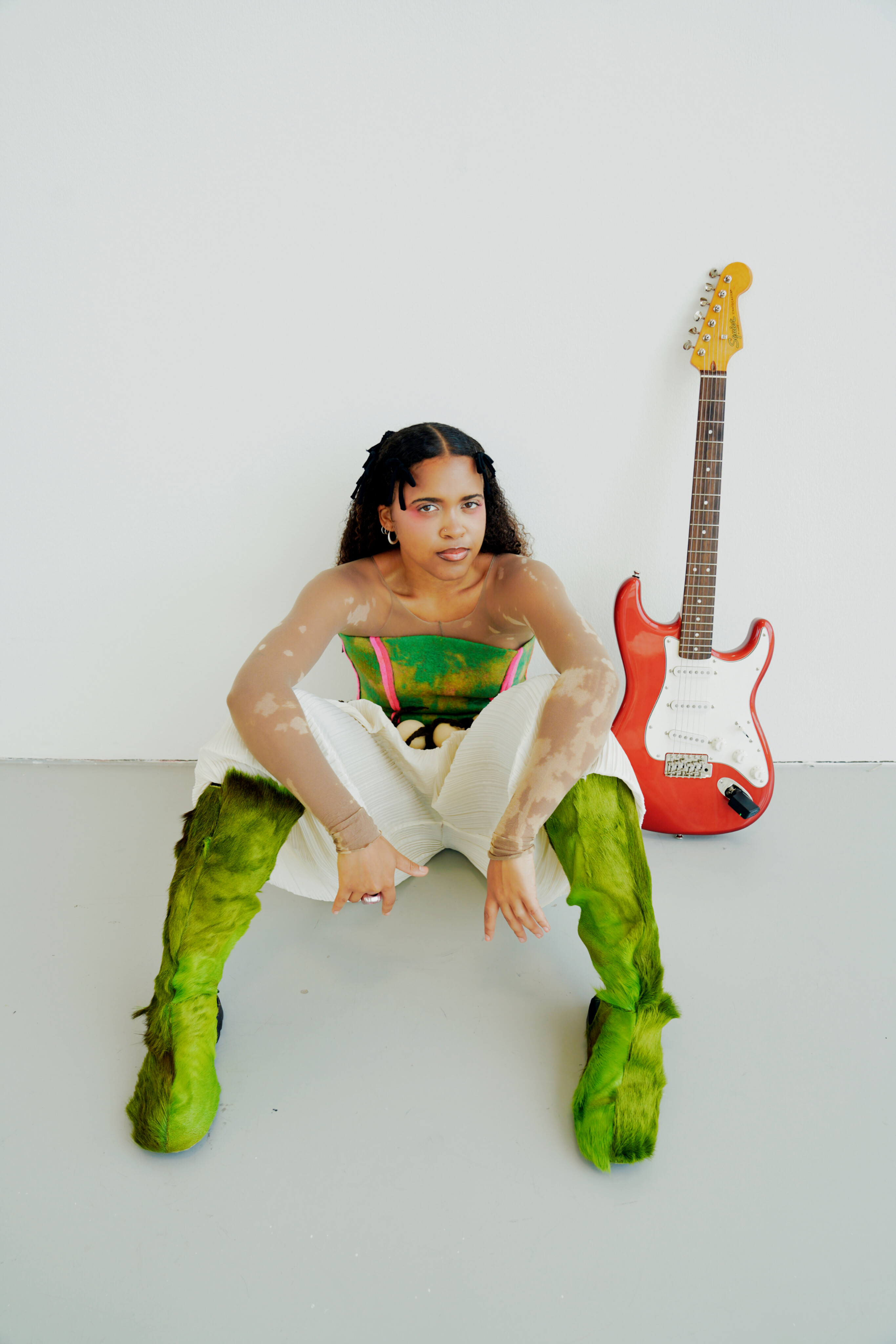
So yes, a lot is happening and I'm super excited. Sometimes I wish I could multiply myself and do everything at once. But it takes time and I also have to take care of myself.
© Alexia Thomas
What to read next
Libreville · Photographer
MOUKADI: ART DOES NOT ALWAYS NEED RATIONAL EXPLANATION
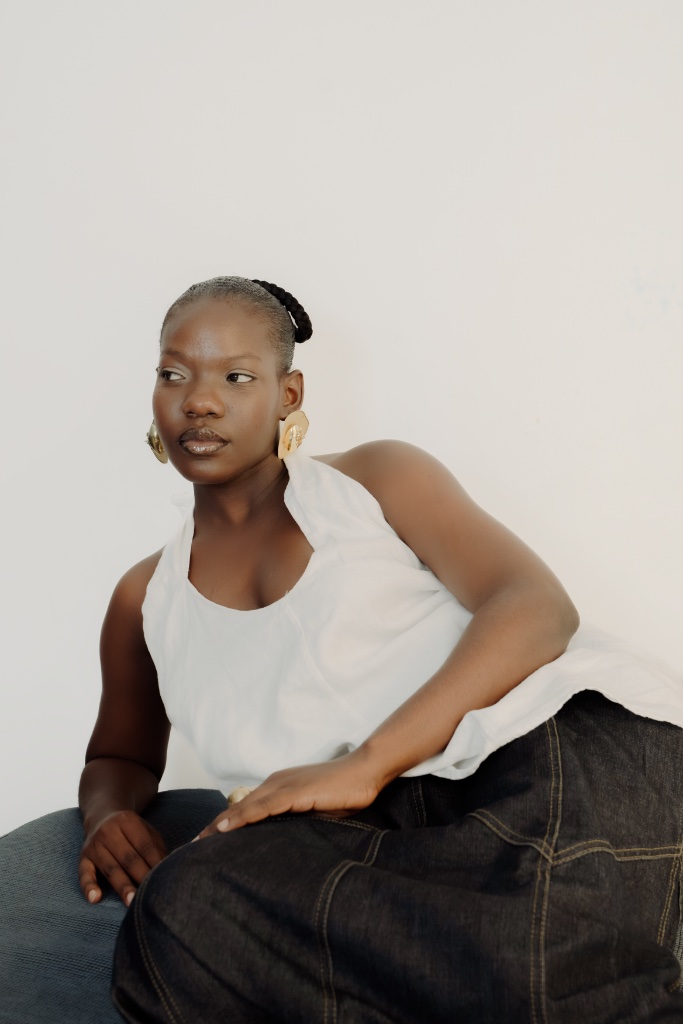
Based in Libreville, Gabonese photographer Moukadi centers her lens on the nuances of Black existence and the human experience. Through her documentary work and her platform WHY NOT AFRICAN, she re-centers the continent's craftsmanship and stories.
Zurich · Photographer
BINTA KOPP ON CREATING WORLDS OF CONNECTION AND COMMUNITY
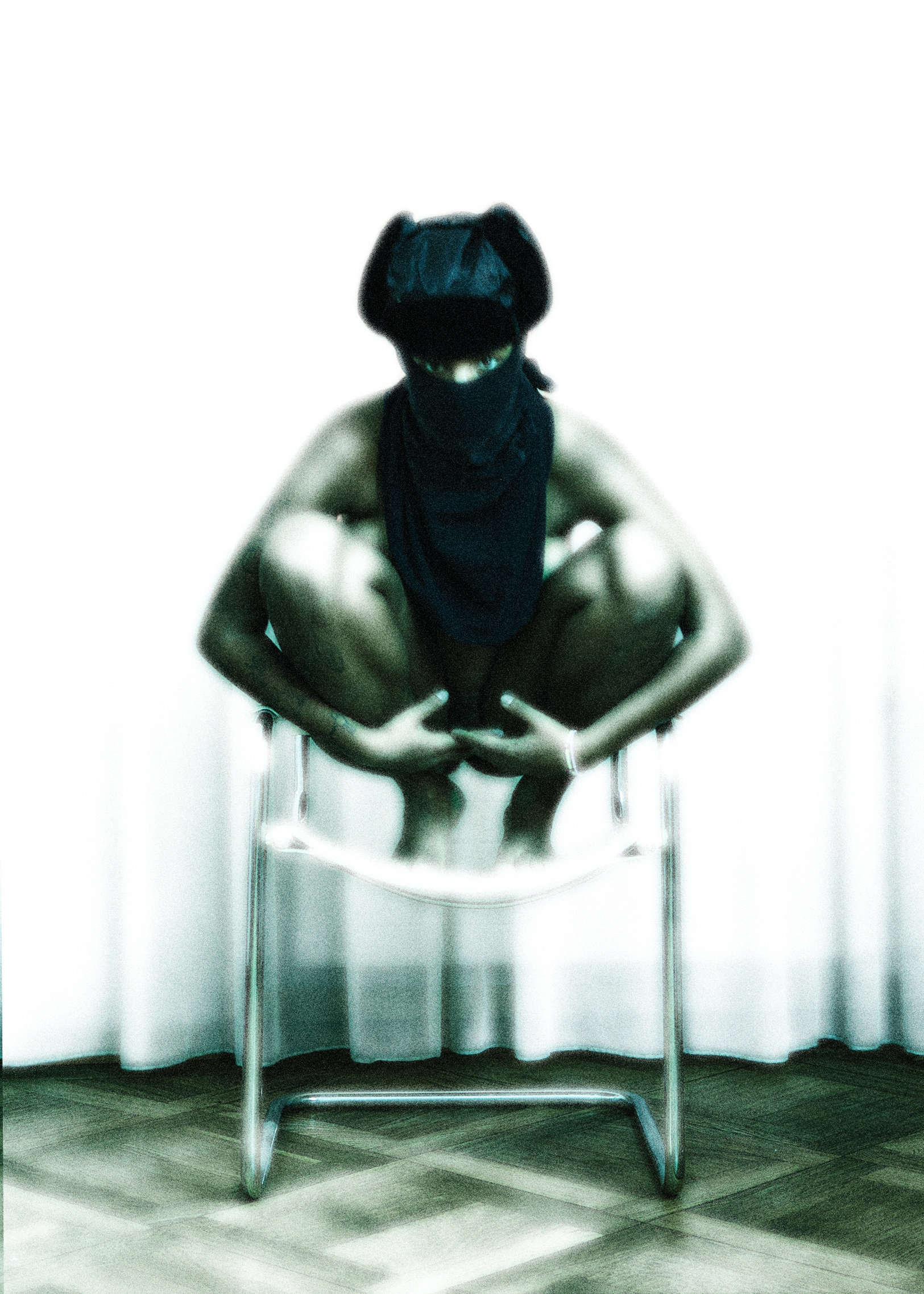
Moving between photography, film and music, the Zurich-based artist Binta Kopp creates intimate worlds shaped by emotion, presence and human connection. Her images do not simply document people—they make space for them to exist on their own terms. With a practice grounded in sensitivity and community, Binta is interested in the moments that feel honest, unguarded and real. In our conversation, she reflects on the power of creating spaces where people feel understood, and imagines a creative landscape that leaves more room for experimentation, collaboration and a wider range of voices.
Los Angeles · Photographer
ARIELLE BOBB-WILLIS ON THE SWEETNESS OF PRESENCE
Arielle Bobb-Willis is a New York-born artist currently based in Los Angeles, using photography as a vessel for healing and a way to remain profoundly present in the world.
Zurich · Creative Producer & Writer
JULIA FIECHTER: THE FASTEST WAY IS TO BE SLOW
For Julia Fiechter, the shift from mainstream entertainment and heteronormative stories to independent, meaningful storytelling has been an act of reclaiming her own narrative. After years of directing and editing television productions, she began to question not only the kinds of stories being told, but also who was being left out of the conversation. Living and working with ADHD has also shaped her creative practice, leading her to embrace a "slow is fast" philosophy. Rather than chasing the relentless pace of the industry, Julia sees slowing down as a way to protect her mental well-being, nurture creativity, and make space for a life beyond the edit suite. Today, the Zurich-based creative producer and writer opens up about access and representation in Swiss film, the barriers that continue to shape the industry, and her vision for building more inclusive, family-friendly working structures.
Follow us on Instagram to stay updated on all things
AKUA STUDIOS

