Zurich / Creative Producer & Writer
JULIA FIECHTER: THE FASTEST WAY IS TO BE SLOW
For Julia Fiechter, the shift from mainstream entertainment and heteronormative stories to independent, meaningful storytelling has been an act of reclaiming her own narrative. After years of directing and editing television productions, she began to question not only the kinds of stories being told, but also who was being left out of the conversation. Living and working with ADHD has also shaped her creative practice, leading her to embrace a "slow is fast" philosophy. Rather than chasing the relentless pace of the industry, Julia sees slowing down as a way to protect her mental well-being, nurture creativity, and make space for a life beyond the edit suite. Today, the Zurich-based creative producer and writer opens up about access and representation in Swiss film, the barriers that continue to shape the industry, and her vision for building more inclusive, family-friendly working structures.
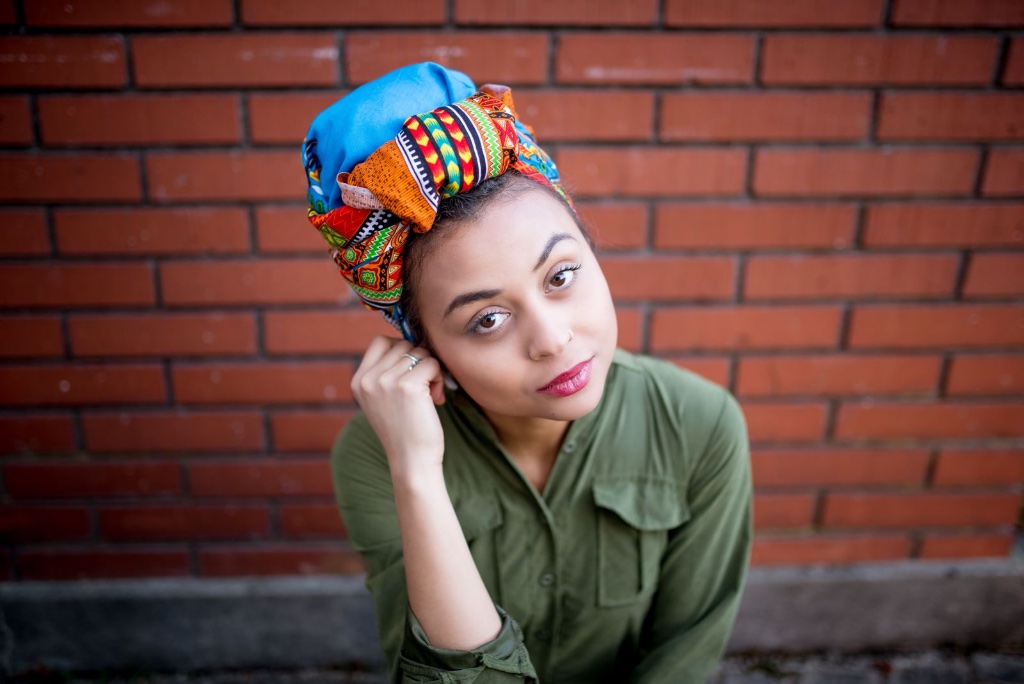
"Even though filmmaking can be incredibly demanding, it's important to step away sometimes. Whether that means leaving a script alone for two weeks or going outside after a ten-hour shooting day to enjoy the sun and spend time with friends. Those things are just as important because that's often where inspiration comes from."
© Julia Fiechter
AKUA STUDIOS:
What do you do and what drives your creative practice?
JULIA:
I actually never thought about why I am a creative producer and author. I think it just took me randomly this way because I always had a lot of love for storytelling and a lot of love for films and TV. Somehow I just felt too creative for being in the normal office world. I just wanted to tell stories, and my life just happened to be that I am now a creative producer and author.
AKUA STUDIOS:
Can you recall a moment or experience that made you realise this is the work I need to do?
JULIA:
Yeah, I think there were several moments. I actually started doing television and worked on a lot of TV shows as a director and editor. I always felt that we were telling a lot of heteronormative stories that were entertaining and fun, but at the same time they weren't really meaningful. They also weren't very diverse or willing to go deeper in terms of storytelling.
At one point, I applied for the Netflix BIPOC Writers' Room. I didn't get in, but it made me reflect on why I wanted it so badly.
I was really into it and I really wanted it, so at one point I started thinking about my future and what I wanted to do. Do I want to continue being a producer and director in this nonsense but really fun entertainment industry, or do I want to be a role model and tell stories that are deeper and made for us and our community? I think that was what led me into film.
© Julia Fiechter
© Julia Fiechter
"Some ideas can sit there for years, and then there comes a moment when you can pick them up again and bring them to life. Or maybe you're simply not going to do them at all, and that's okay too."
AKUA STUDIOS:
Do you want to tell us what you are working on right now?
JULIA:
I think as a producer, you always work on ten different things in ten different stages. I have several short films I'm working on that are currently in development or post-production.
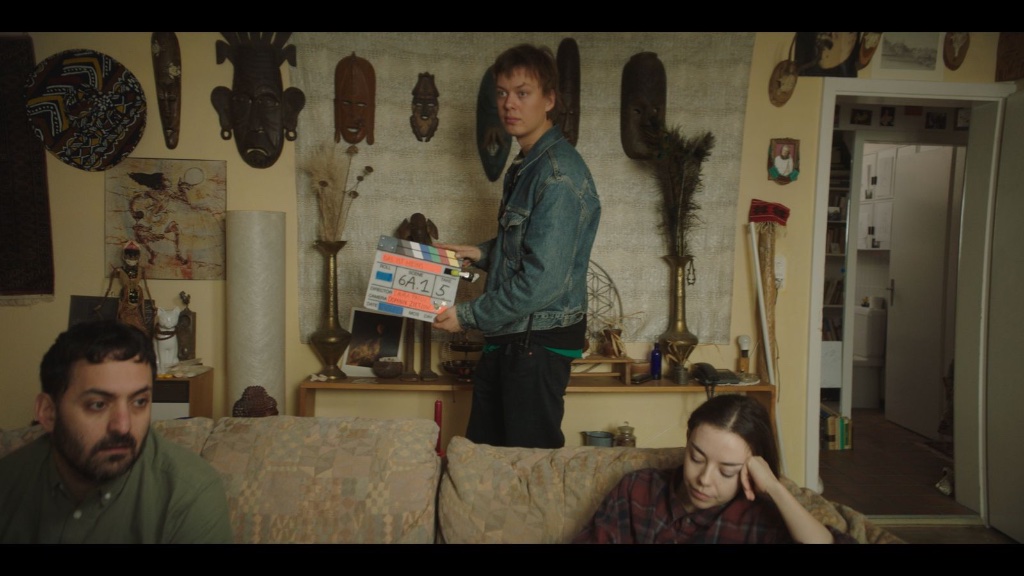
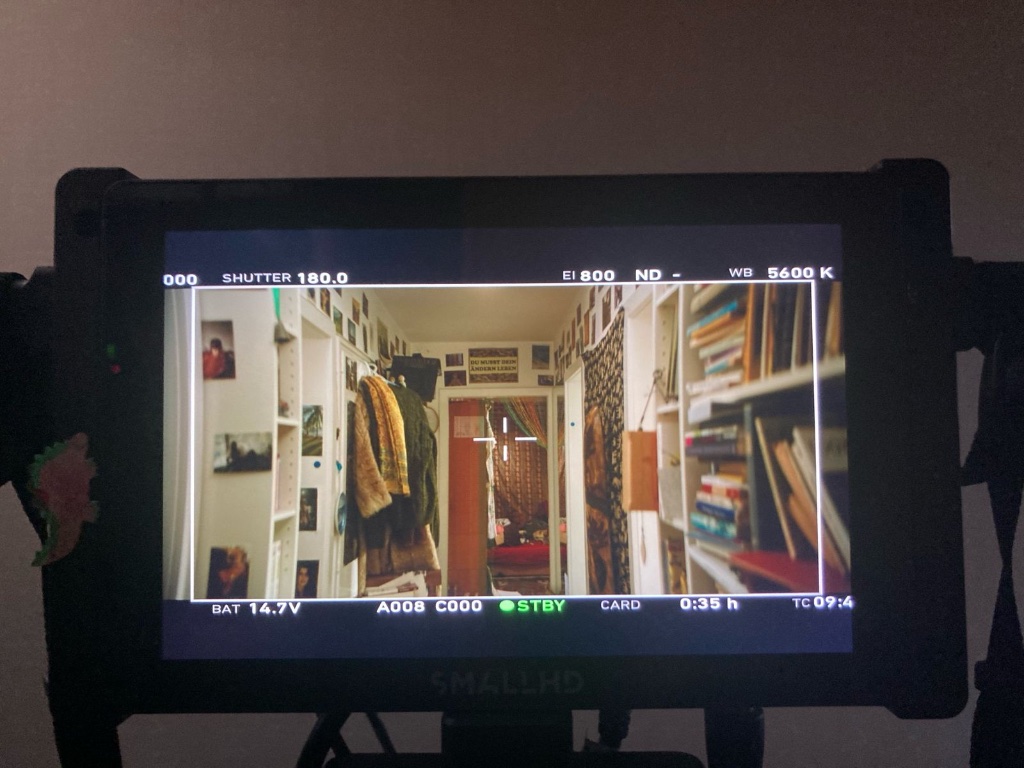
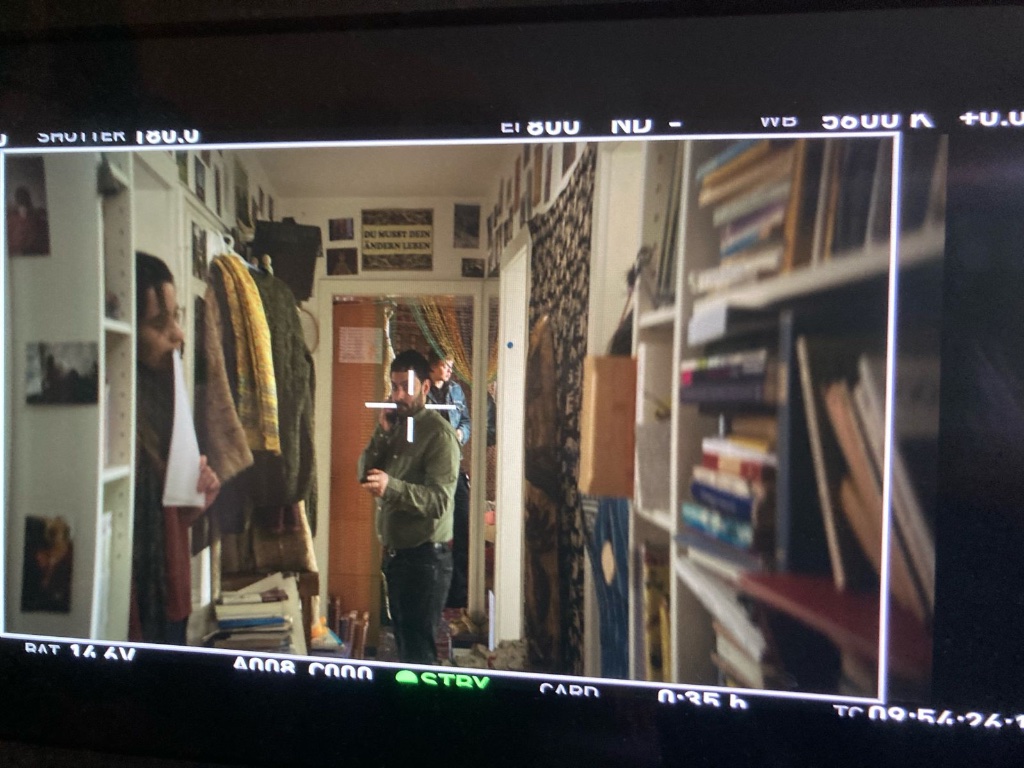
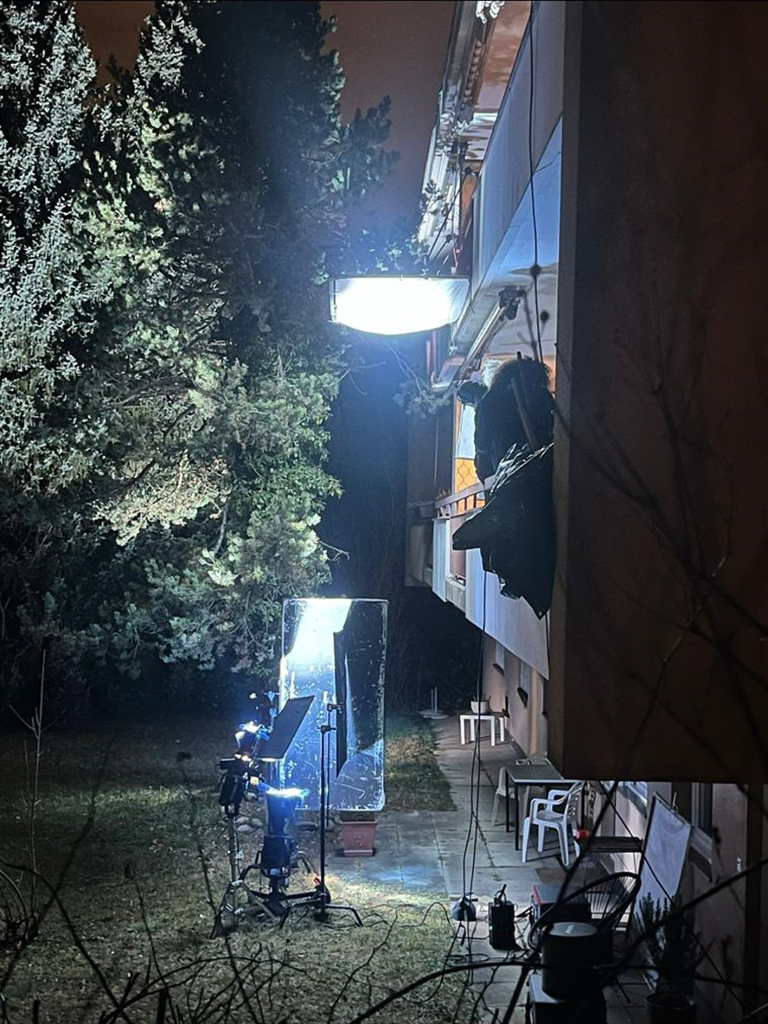
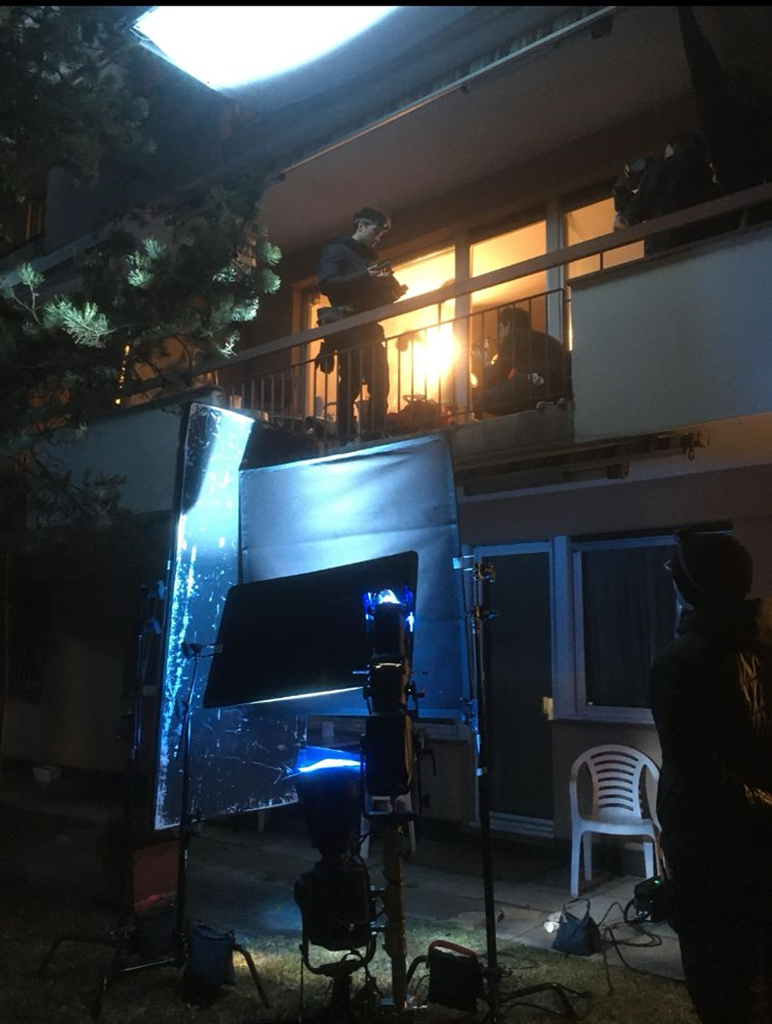
I also have a longer fictional project I'm writing, along with two or three other things. My favorite baby right now, or the project I'm most focused on, is Blumenkinder. We recently finished the script. It's a short drama about the bystander effect, which is essentially the opposite of civil courage. It's about how we, as a community, can coexist while focusing only on our own lives and not daring to speak up or take a closer look at things that might be politically incorrect or require us to go deeper.
© Julia Fiechter
© Julia Fiechter
AKUA STUDIOS:
Is there an important lesson from your work that has changed how you move through your everyday life?
JULIA:
Yeah, I think one important lesson is that film is also just work. I really love my job, and throughout my life I always had the urge to find something I truly love rather than simply focusing on making money. That was always my motivation. In my twenties, I think I also defined myself through my work. I worked a lot, and my job became a big part of who I was.
Now, in my thirties, I've realized that life isn't all about work. It's important to find something that makes you happy, but there's so much more in life to enjoy and embrace than just the films we make.
Even though filmmaking can be incredibly demanding, it's important to step away sometimes. Whether that means leaving a script alone for two weeks or going outside after a ten-hour shooting day to enjoy the sun and spend time with friends. Those things are just as important because that's often where inspiration comes from. It's where you recharge and find new energy.
And having a hobby is so important — a hobby that's not useful, I would say.
© Julia Fiechter
AKUA STUDIOS:
What does feeling stuck look like to you and what helps you to move through it?
JULIA:
I'm actually stuck every day. With my ADHD, I just have to take things day by day. Every day is different when it comes to my concentration and inspiration, so I think the best thing is having a deadline that gives you something to work towards. But I've also learned that not every project has to be completed immediately.
The ideas can sit there for years, and then there comes a moment when you can pick them up again and bring them to life. Or maybe you're simply not going to do them at all, and that's okay too.
There are projects you do for yourself that may never have commercial success, and that's totally fine. And then there are projects that are difficult to make happen. I think what I've learned is that the fastest way is to be slow.
"When I was younger, I never really felt represented in Switzerland. There weren't many BIPOC people on screen or telling diverse stories in an authentic way. Most of the stories about Black people were documentaries focusing on racism, refugees, or similar topics."
AKUA STUDIOS:
Do you feel represented in the creative industries in Zurich- if yes can you elaborate on it and if no, what was going wrong?
JULIA:
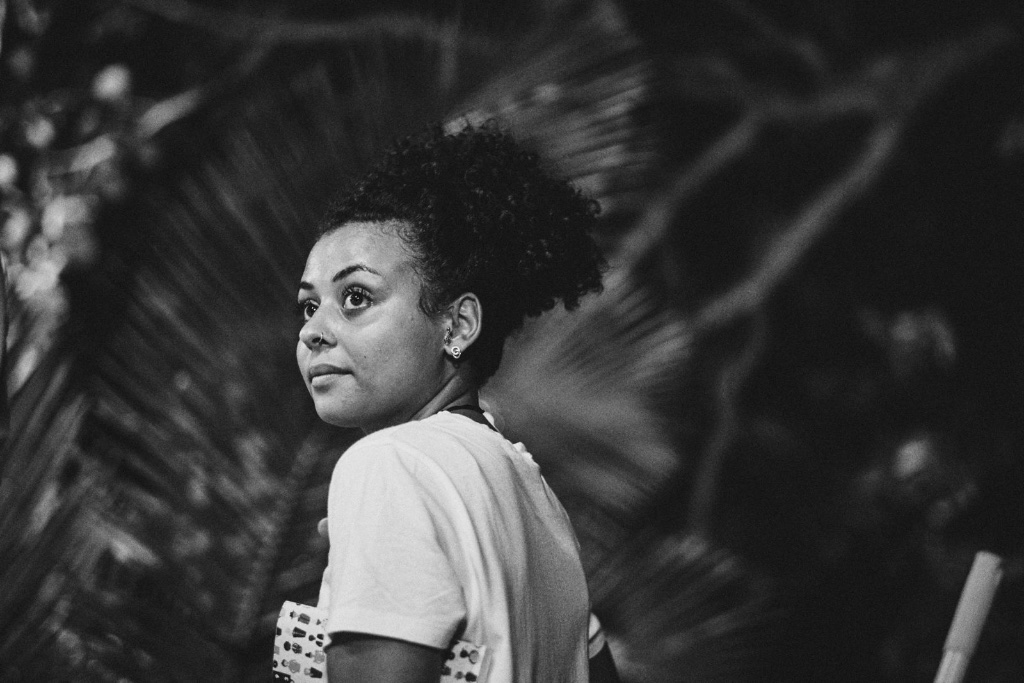
I sometimes feel represented, but not always. When I was younger, I never really felt represented in Switzerland. There weren't many BIPOC people on screen or telling diverse stories in an authentic way. Most of the stories about Black people were documentaries focusing on racism, refugees, or similar topics.
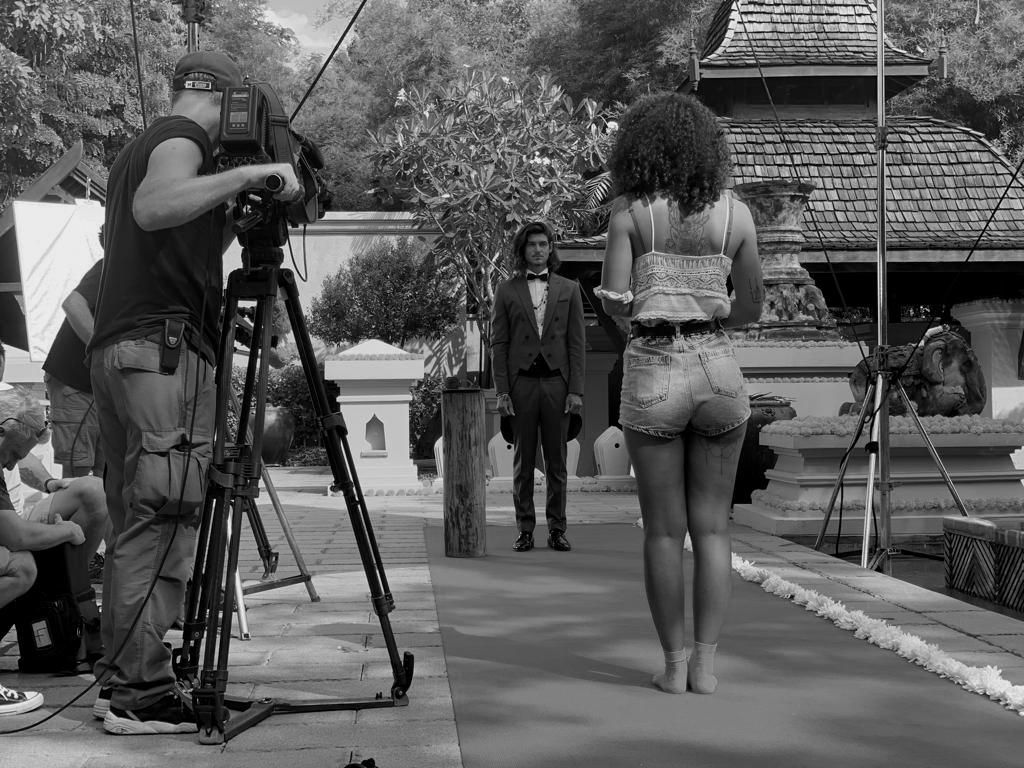
I think things have changed to some extent. Diversity is no longer completely absent from the conversation, but we're still not where we should be. Switzerland is trying to do something about it. There are diversity checklists at SRF, for example, and funding opportunities through institutions like film foundations that support productions. But often it feels more like an alibi. It's becoming increasingly popular to diversify casts, but what I'm really missing is greater diversity behind the camera. Those voices should be included as well.
The challenge is that Switzerland still primarily wants to tell Swiss stories, and many of the gatekeepers who decide where funding goes are white men. Who gets access to film education? Film schools and institutions in Switzerland need to become more diverse in their thinking. And production companies need to do more to include BIPOC people.
© Julia Fiechter
© Julia Fiechter
AKUA STUDIOS:
What does visibility mean to you as a BIPOC creative in Zurich? When do you feel most seen or unseen
JULIA:
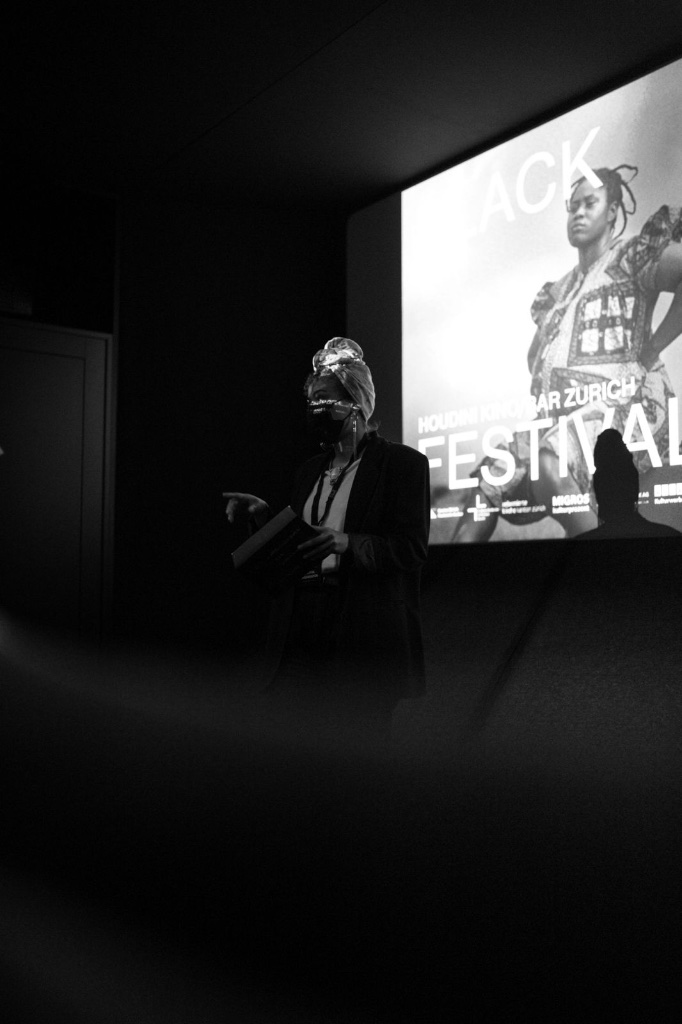
Visibility, as a BIPOC creative in Europe, means being seen both on screen and behind the scenes. One of the most obvious issues is that there are still not many BIPOC people represented on screen.
There's a statistic from 2020, Vielfalt im Film. According to the study, only around nine percent of people in decision-making positions in Germany were BIPOC.
This refers to the people who decide who gets which role, who becomes a producer, and who becomes a director.
Then there is Gestaltungsmacht, the people who shape how stories are told. That figure was around 17 percent. The percentage of BIPOC people actually cast on screen was about 16 percent.
If you compare that to the population, the numbers don't match. In Switzerland, around 41 percent of the population has a migration background, and in Germany it's around 30 percent. We are still very underrepresented both on screen and behind the screen.
We are here. We pay taxes, we support the film industry, and we want to see ourselves and our relatives represented on screen through stories told by our own communities. I think that's a very real and legitimate need.
© Julia Fiechter
"What I would really like is for being BIPOC not to be the issue or central topic of the storytelling, as it often is in Switzerland right now. Instead, diversity should simply be an authentic and natural part of the stories being told."
AKUA STUDIOS:
Was there something that has surprised you working in the Swiss creative industries either positively or negatively?
JULIA:
I mean, working in the industry in Switzerland, especially, you can get quite far through hard work. Because the industry is relatively small, the market is very concentrated. There are people who haven't been in the industry for very long but have already won several awards, made their debut films, screened at festivals, and received a lot of attention. In that sense, it's easier because the industry is much smaller.
At the same time, I think it's quite difficult to get a job at an existing production company in Switzerland. Usually, you start out as a production coordinator or assistant and continue working your way up until you get lucky and find someone you connect with who brings you into the company. A lot of it comes down to these networks and relationships. Because of that, many emerging people in the industry are inspired to start their own companies instead.
"Finding structures that better support mothers, being more feminist, and creating a more diverse working environment would be very important to me."
AKUA STUDIOS:
Is it a goal of yours to start your own company?
JULIA:
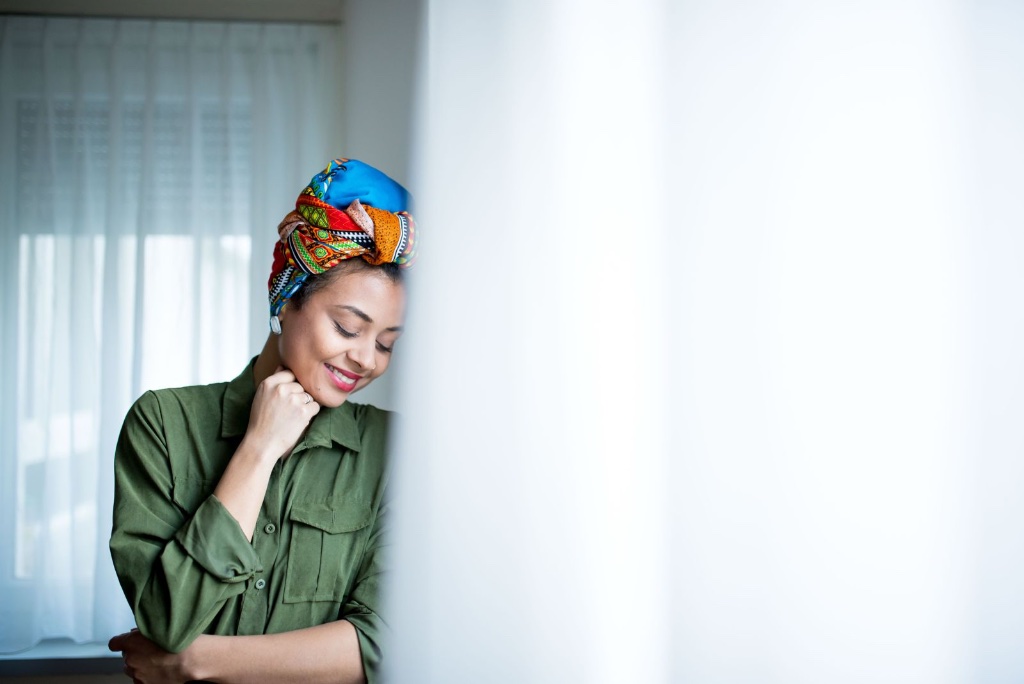
Yes, it is. I was actually talking to a friend yesterday about starting a company together. A company that embraces diversity in a broader sense — having talented people with disabilities involved, telling BIPOC stories, and creating opportunities for BIPOC talent in Switzerland. What I would really like is for being BIPOC not to be the issue or central topic of the storytelling, as it often is in Switzerland right now. Instead, diversity should simply be an authentic and natural part of the stories being told.
I'd also like to build a company with fairer working conditions for families. A lot of my friends have children, and some have struggled to balance family life and work. Finding structures that better support mothers, being more feminist, and creating a more diverse working environment would be very important to me.
But I think that's a long-term goal. It's not something that happens overnight. As I said before, I believe the fastest way is to be slow. So for now, it's about continuing to gain experience, maybe working within a production company, seeing what works, what could be done better, and then building something from there.
© Julia Fiechter
What to read next
Brussels · Creative Director and Photographer
KELVIN KONADU: THE ARCHITECTURE OF INDEPENDENCE
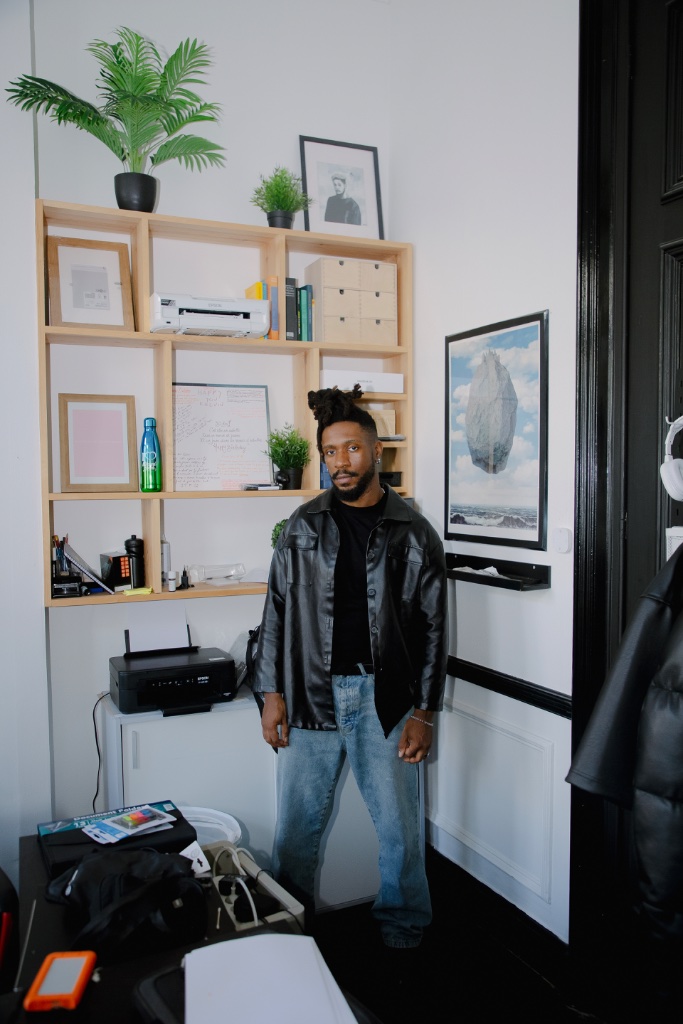
Visual artist and creative director Kelvin Konadu — founder of Sky Shooters Studio — has built his practice on a foundation of fierce autonomy. Refusing to be confined by geographic limitations or industry categories, Kelvin sees his work as a bridge between his Ghanaian roots and the European creative landscape. For him, visibility is a double-edged sword: it creates cultural currency, yet often lacks real decision-making power. Kelvin reflects on the "triple work" required to shift perceptions and his mission to build the infrastructure for a new generation to lead.
Zurich · Photographer
BINTA KOPP ON CREATING WORLDS OF CONNECTION AND COMMUNITY
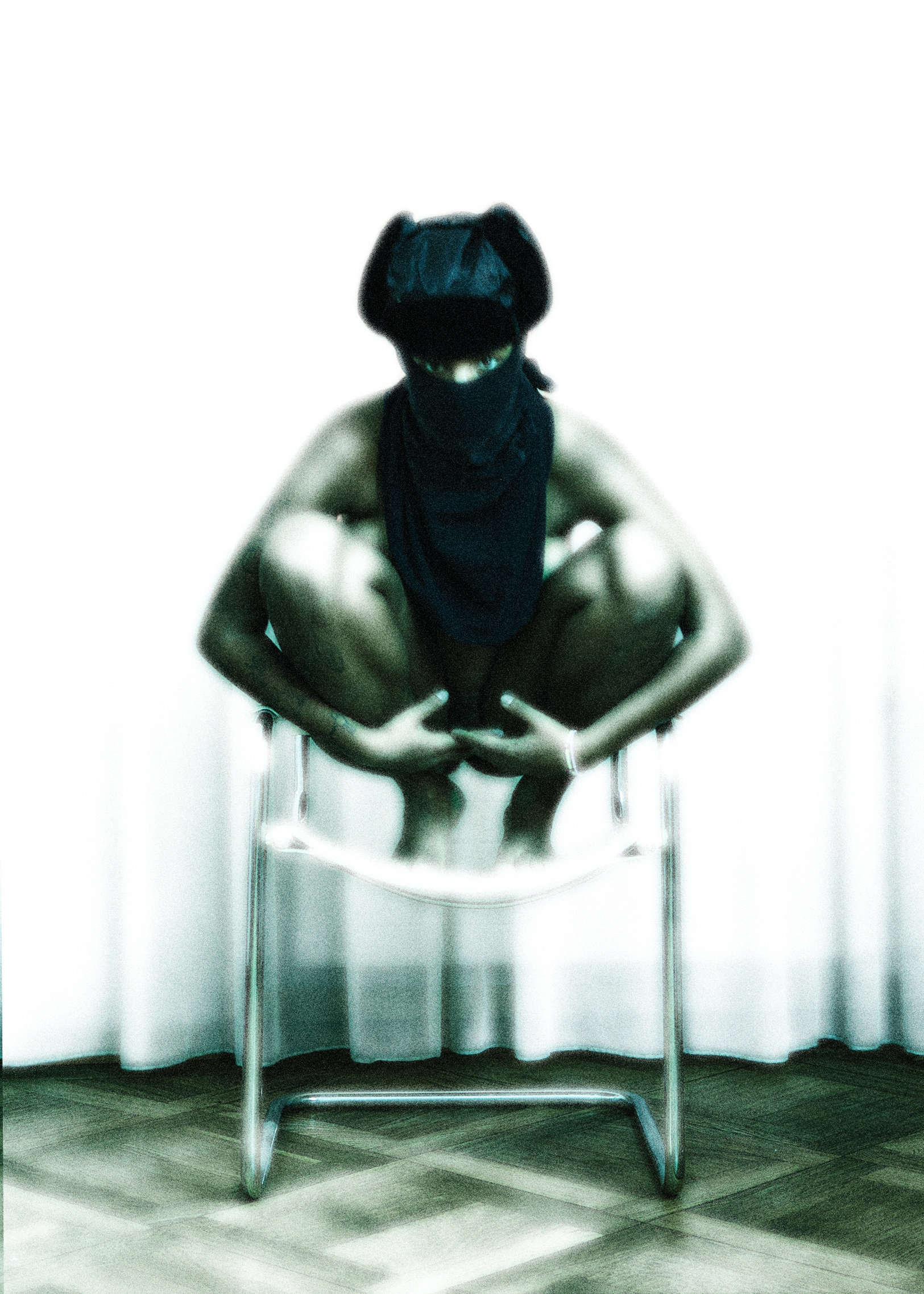
Moving between photography, film and music, the Zurich-based artist Binta Kopp creates intimate worlds shaped by emotion, presence and human connection. Her images do not simply document people—they make space for them to exist on their own terms. With a practice grounded in sensitivity and community, Binta is interested in the moments that feel honest, unguarded and real. In our conversation, she reflects on the power of creating spaces where people feel understood, and imagines a creative landscape that leaves more room for experimentation, collaboration and a wider range of voices.
Zurich · Writer and Director
DJIBRIL VUILLE ON THE ROLE OF FICTION IN A WORLD…
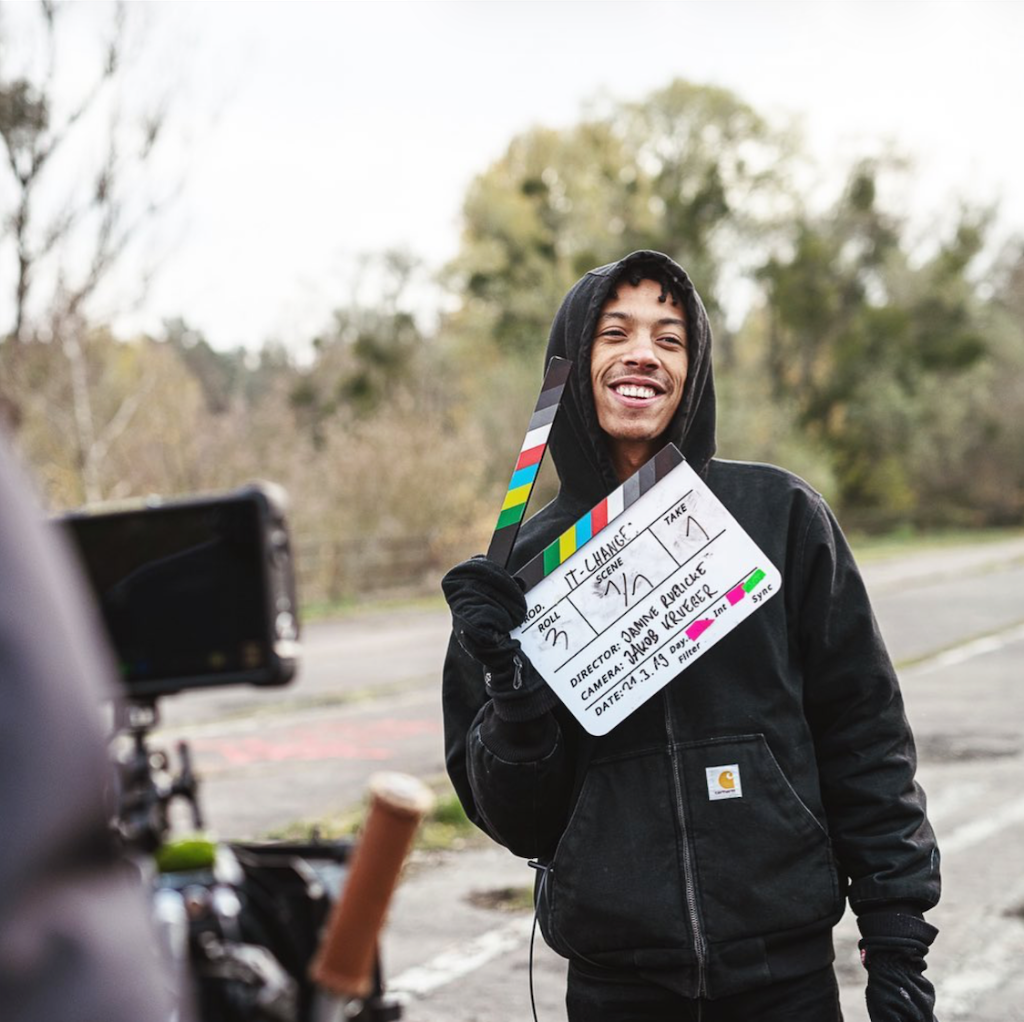
For Djibril Vuille, fiction is far more than mere escapism. It is a vital tool for rewriting the "B-plots" of a reality that often feels stranger than fiction itself. The Bern-based director and writer sees the screen as a space to confront the tragedies of our time, believing that a happy ending can only be earned by first facing the truth. In our conversation, he reflects on culture, representation, and the need for nuanced storytelling in a world shaped by quota-driven diversity. For Vuille, culture is not a carefully constructed concept, but something lived every day in the streets by the very people whose stories he seeks to tell.
Amsterdam · Creative Producer
RAKEB ACCAL: SHAPING SPACES WHERE WELLNESS AND CULTURE MEET
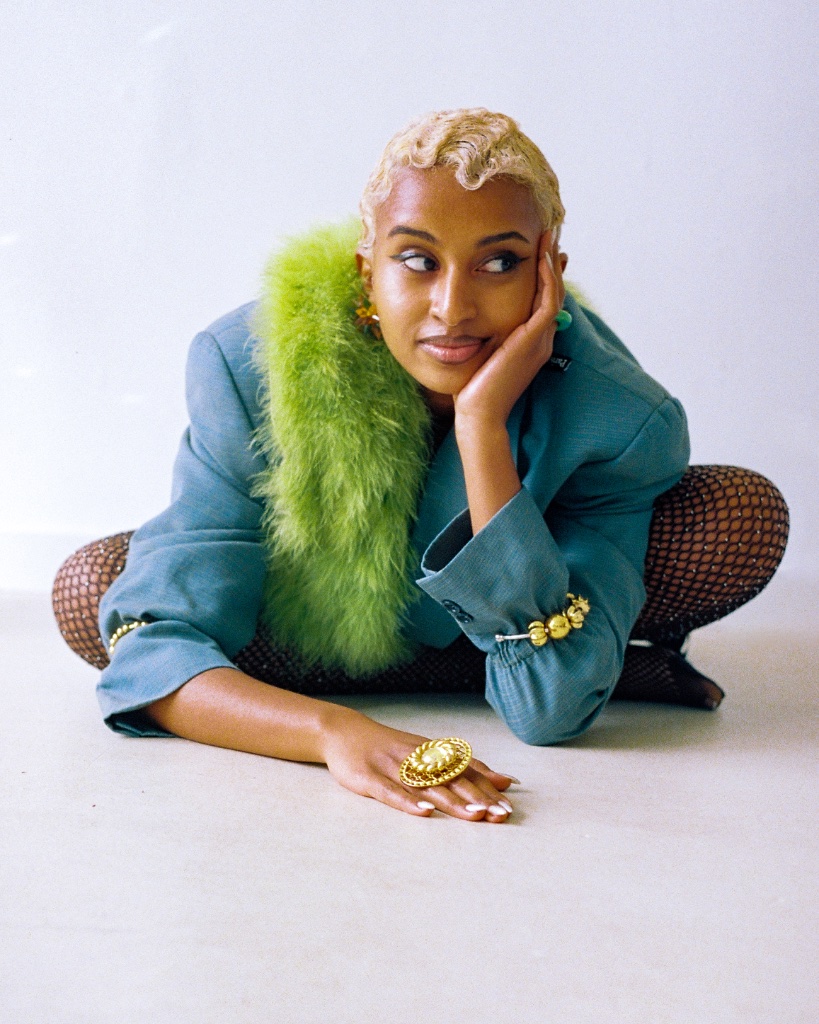
Moving between the worlds of artistic expression and collective care, creative producer Rakeb Accal is shaping spaces where wellness and culture intersect, especially for women of color. Rakeb prioritizes the rituals, the stillness, and the deep connections that make projects feel alive over the final output. She advocates for a new industry standard: one that prioritizes human connection and cultural integrity over mere productivity. Here, Rakeb opens up about true visibility- one that shows up with softness, complexity, and life in its own rhythm.
Follow us on Instagram to stay updated on all things
AKUA STUDIOS

