London / Visual Artist
LAKIN OGUNBANWO: A MEETING POINT OF IDENTITIES
For Lakin Ogunbanwo, the creative process is an act of self-observation. Once known primarily as a photographer, the Nigerian artist is now expanding into collage and writing, refusing to define his practice too neatly. While his work often travels to European markets, Lakin remains firmly rooted in the cultural logic of his home, viewing the Western art world as a marketplace rather than a source of belonging. We spoke with the London-based creative about the power of staying curious, the nuances of Yorubaness, and why true authenticity comes from creating for your own community first, while letting the rest of the world simply bear witness.
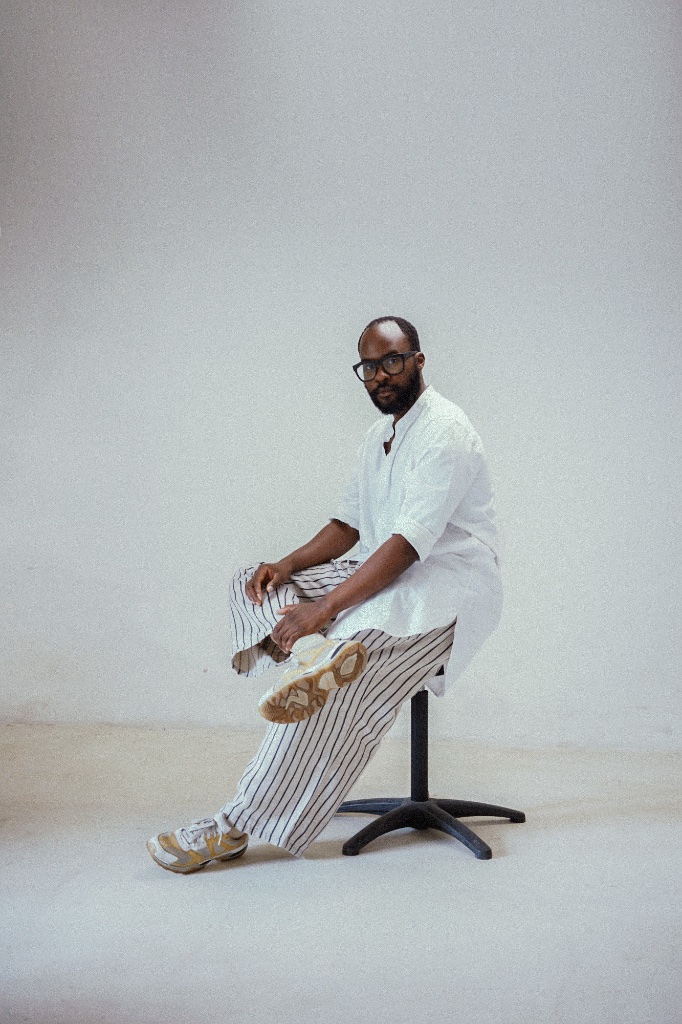
"My authenticity comes from staying rooted in where my work originates — my community, my people, my cultural logic."
AKUA STUDIOS:
What do you do?
LAKIN:
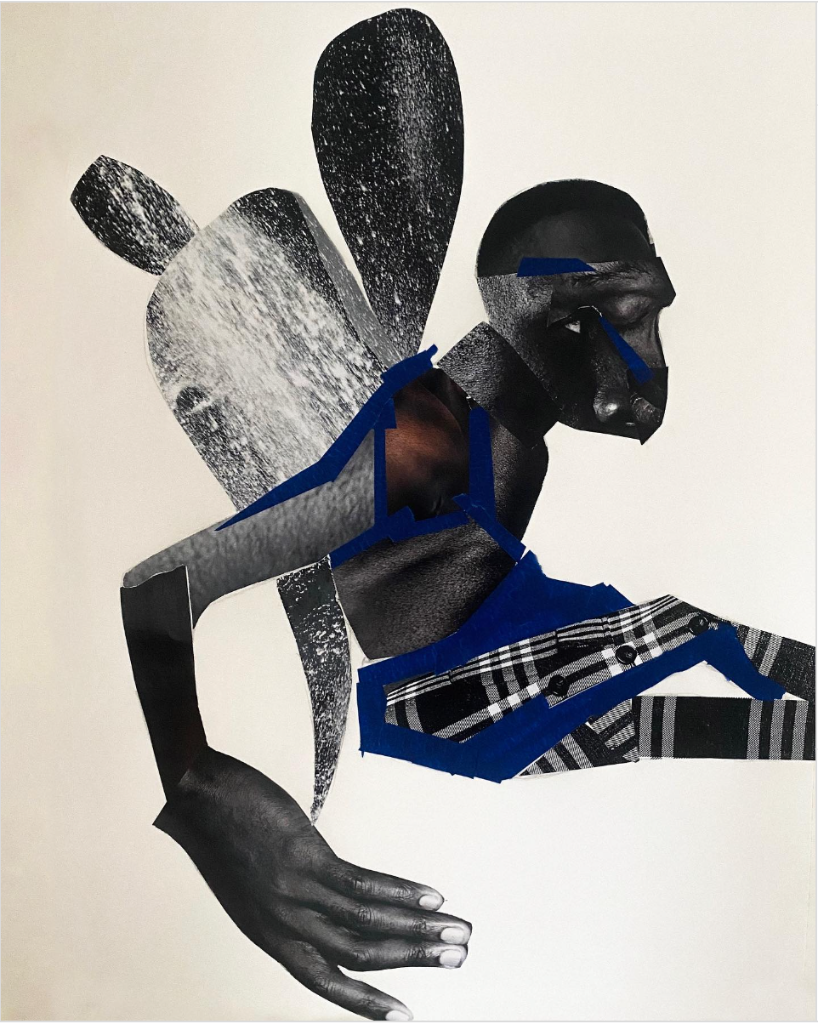
What I do today isn't a straightforward answer. Five years ago, I would have easily said I'm a photographer. Now, I'm exploring other mediums, mainly collage and writing, and allowing myself to expand without rushing to define it too neatly.
© Lakin Ogunbanwo
"Sharing the work is what makes me an artist. When something leaves my head and exists in the world, and someone else engages with it, that exchange completes the process."
AKUA STUDIOS:
What drives your creative practice?
LAKIN:
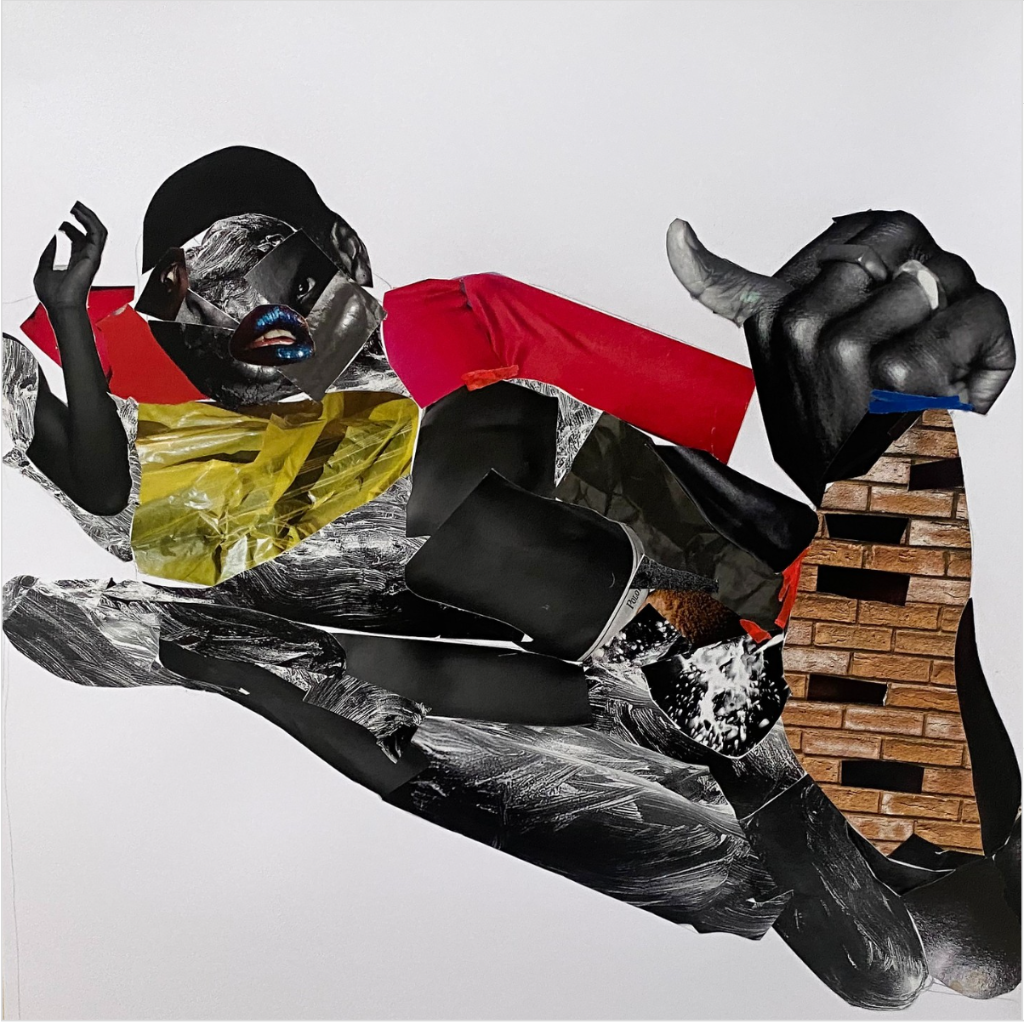
What drives my creative practice happens in two folds. First, I make work to understand and observe myself and my existence. It's a very human instinct to make, to be curious, to try to understand by doing. Second, sharing the work is what makes me an artist. When something leaves my head and exists in the world, and someone else engages with it, that exchange completes the process.
Both parts are what sustain my creative practice.
© Lakin Ogunbanwo
"In just a few paragraphs, I could see my humour, wit, musicality, culture, my Nigerianess, my Yorubaness, all present at once, without dilution."
AKUA STUDIOS:
Was there a moment when your work gave space to an aspect of your identity that is often unseen or overlooked?
LAKIN:
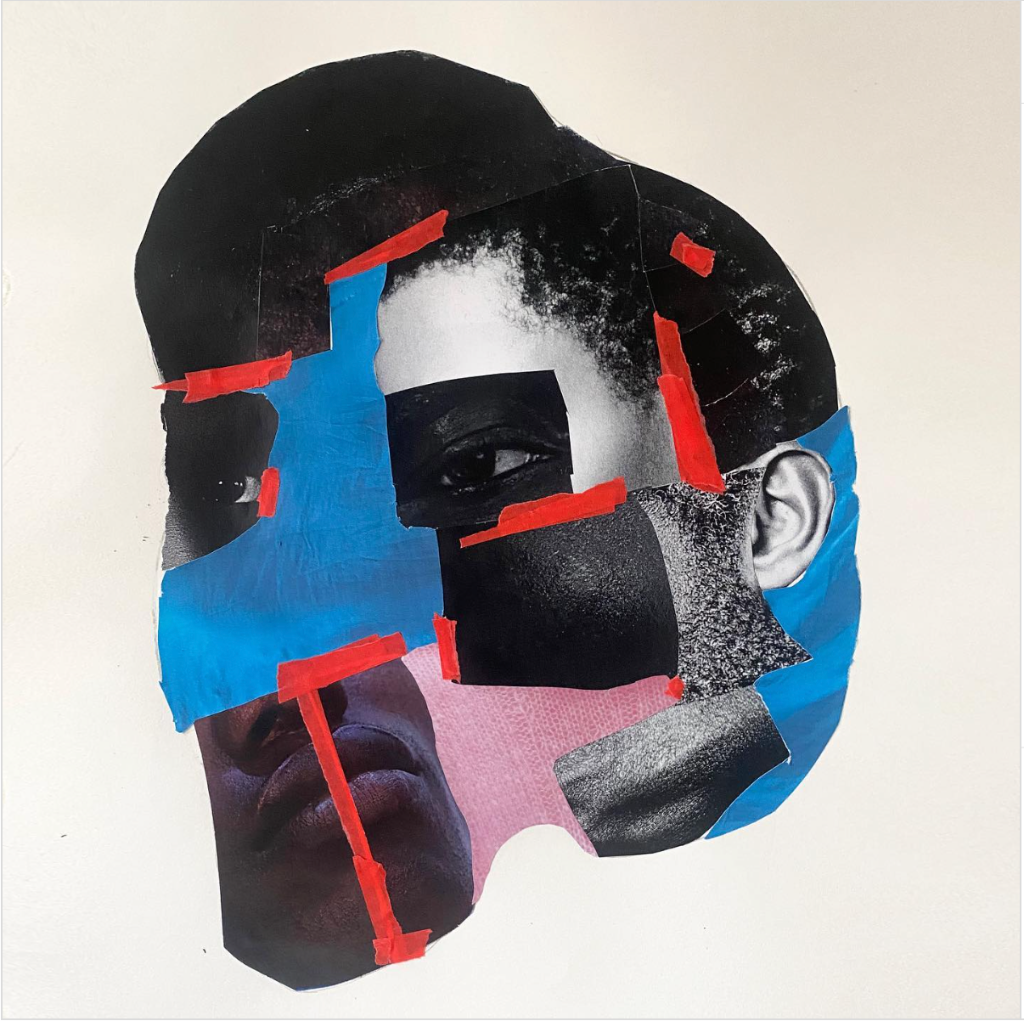
Recently, I wrote an unpublished essay where multiple parts of my identity showed up together in a way I hadn't experienced in other mediums. In just a few paragraphs, I could see my humour, wit, musicality, culture, my Nigerianess, my Yorubaness, all present at once, without dilution. It felt like a meeting point of identities that usually appear separately in my photography or collage work.
"So the barrier, for me, is the expectation to seek validation or belonging in spaces that weren't built with me in mind."
© Lakin Ogunbanwo
"Ultimately, the work is for humans. If it resonates deeply with my people and sparks curiosity or wonder in others, then I've done my job."
AKUA STUDIOS:
What barriers have you encountered in European creative spaces, and how have you maintained your authenticity?
LAKIN:
I want to say this carefully. The European, and broader Western, market isn't a place I look to for resonance. I see it first as a marketplace, and that framing helps me navigate it without compromising myself.
Growing up in Nigeria shaped that; being seen and understood at home is what matters to me. So the barrier, for me, is the expectation to seek validation or belonging in spaces that weren't built with me in mind. My authenticity comes from staying rooted in where my work originates — my community, my people, my cultural logic. If the work travels to Europe and still connects with others, I'm grateful. Ultimately, the work is for humans. If it resonates deeply with my people and sparks curiosity or wonder in others, then I've done my job.
What to read next
Zurich · Photographer
EGUONO EDJERE ON RECLAIMING HUMAN COMPLEXITY THROUGH THE ANALOG LENS
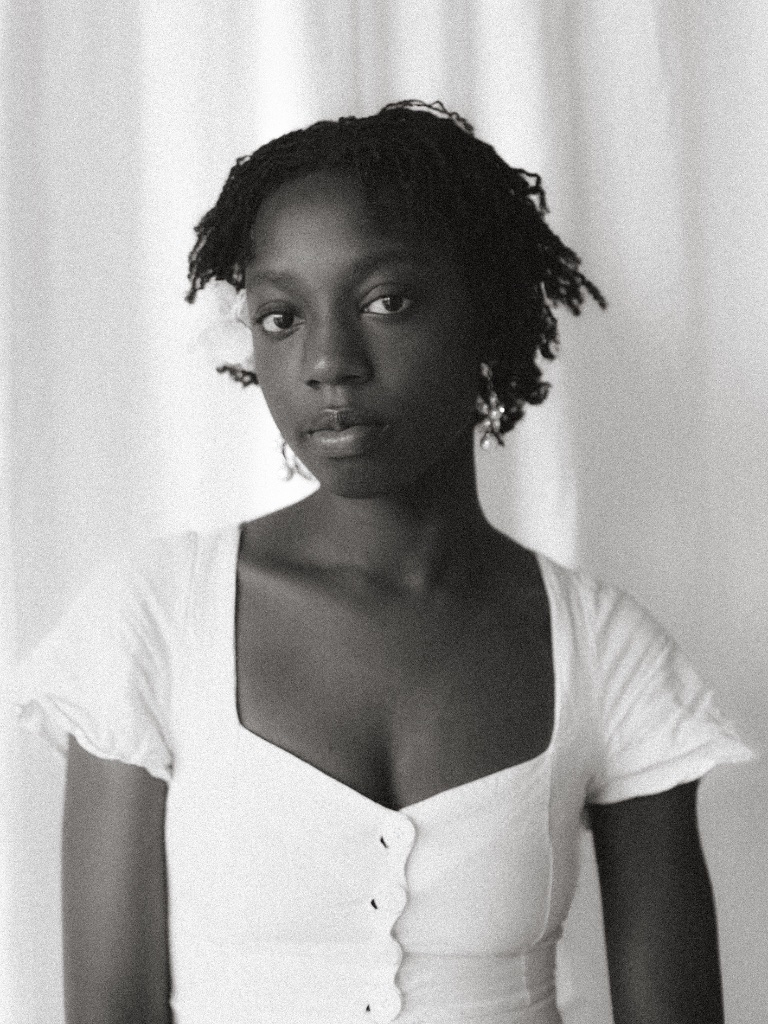
For Eguono Edjere, creativity is less about arriving somewhere and more about returning to herself. Through a steady process of unlearning societal conditioning, the Zurich-based visual artist and aspiring director uses analog photography and film to explore the complexities of human connection. The visual artist views the camera as a tool to mimic life and capture beauty, yet she remains acutely aware of the barriers that persist behind the lens, where trust in Black women leaders is still a rare currency. Eguono opens up about the necessity of being seen as a complex human being, the superficiality of the Swiss creative industry, and her vision for a future where authentic art is nurtured through community and structural access.
Zurich · Scenographer
JOCLYNE OHOKA: NO PATIENCE TO WAIT ON INSTITUTIONAL CHANGE
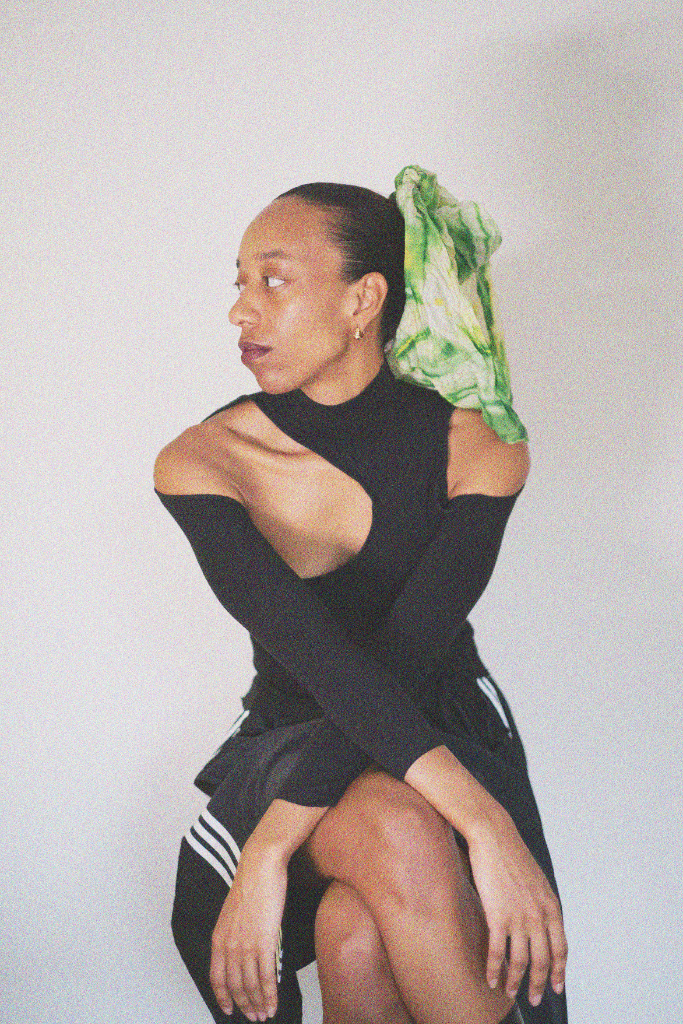
In a landscape where BIPOC creatives often move between the desire for autonomy and the struggle for institutional inclusion, scenographer and curatorial assistant Joslyne Ohoka is tired of waiting for an invitation to the table. Instead, she is focused on the spaces built by fellow creatives like herself. From her work with the BIPOC-centered Kusasa Pop-Up Gallery to supporting the "Blackstammtisch" at Zurich's Migros Museum, Joslyne's practice is centered on the literal reclaiming of space and the rejection of the hollow promises of diversity. She opens up about tokenism, the beauty of building creative spaces from within, and why waiting for institutions to act is no longer an option.
Amsterdam · Stylist
Nelson van Pelt
Visual design and brand identity expert
Brussels · Creative Director and Photographer
KELVIN KONADU: THE ARCHITECTURE OF INDEPENDENCE
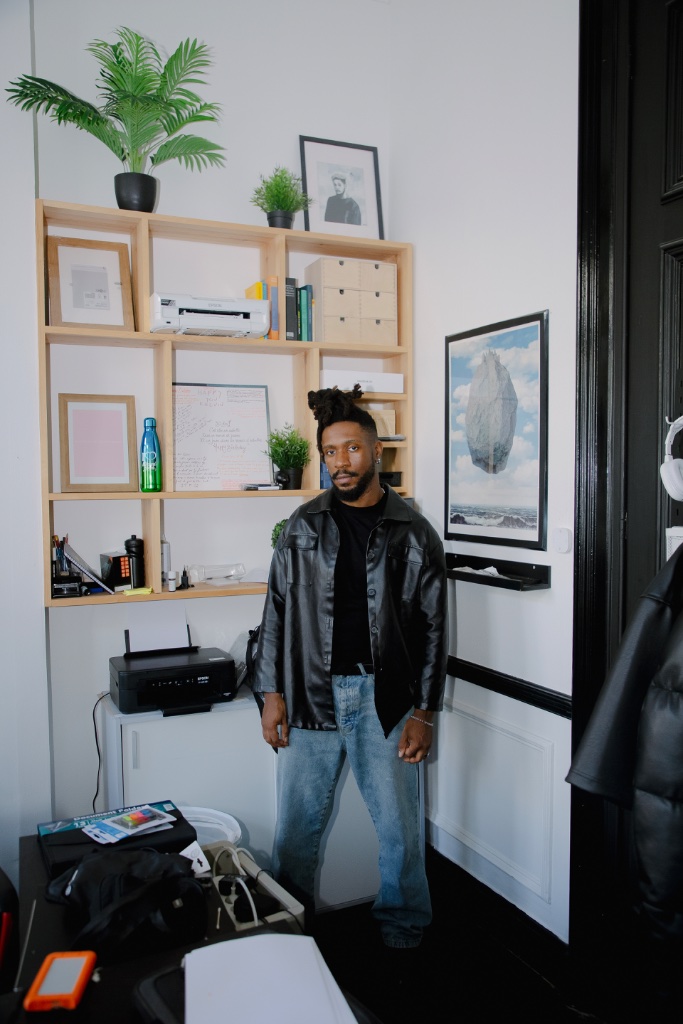
Visual artist and creative director Kelvin Konadu — founder of Sky Shooters Studio — has built his practice on a foundation of fierce autonomy. Refusing to be confined by geographic limitations or industry categories, Kelvin sees his work as a bridge between his Ghanaian roots and the European creative landscape. For him, visibility is a double-edged sword: it creates cultural currency, yet often lacks real decision-making power. Kelvin reflects on the "triple work" required to shift perceptions and his mission to build the infrastructure for a new generation to lead.
Follow us on Instagram to stay updated on all things
AKUA STUDIOS

