Zurich / Scenographer
JOCLYNE OHOKA: NO PATIENCE TO WAIT ON INSTITUTIONAL CHANGE
In a landscape where BIPOC creatives often move between the desire for autonomy and the struggle for institutional inclusion, scenographer and curatorial assistant Joslyne Ohoka is tired of waiting for an invitation to the table. Instead, she is focused on the spaces built by fellow creatives like herself. From her work with the BIPOC-centered Kusasa Pop-Up Gallery to supporting the "Blackstammtisch" at Zurich's Migros Museum, Joslyne's practice is centered on the literal reclaiming of space and the rejection of the hollow promises of diversity. She opens up about tokenism, the beauty of building creative spaces from within, and why waiting for institutions to act is no longer an option.
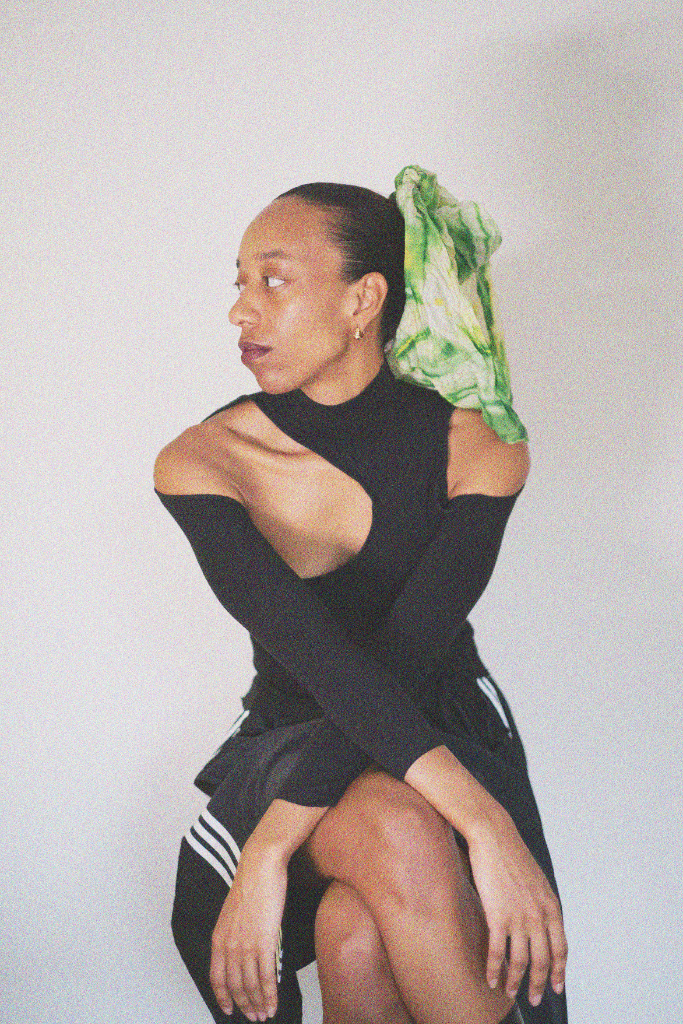
"I think it's sad that as BIPOC people, we still have to check or deal with symbolic representation and always check if the visibility of the project is genuine and meaningful."
AKUA STUDIOS:
What do you do? What drives your creative practice?
JOSLYNE:
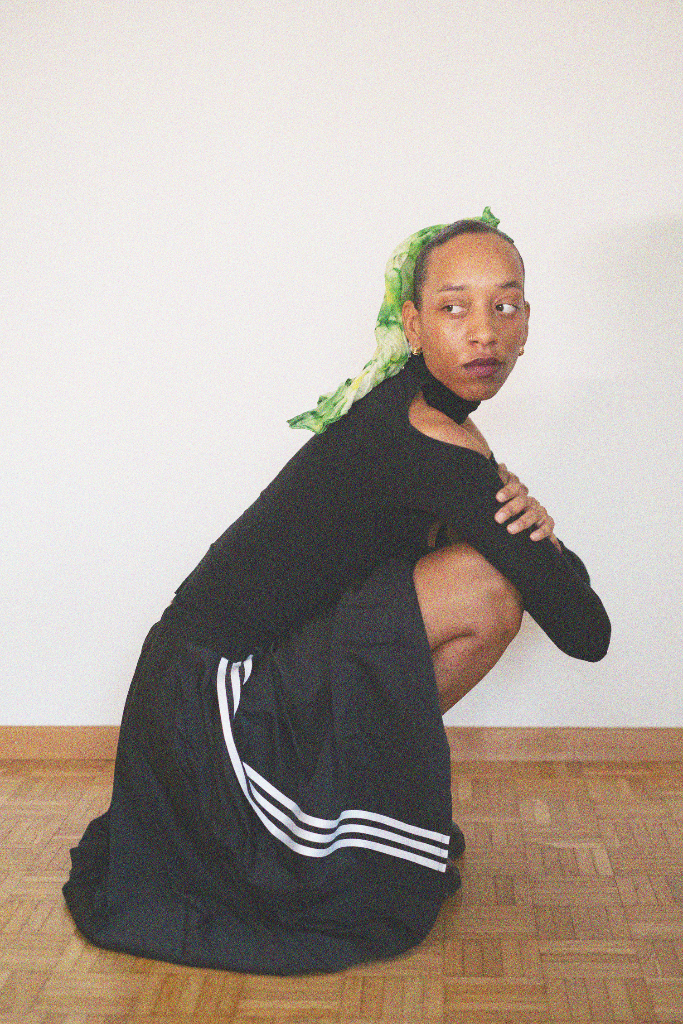
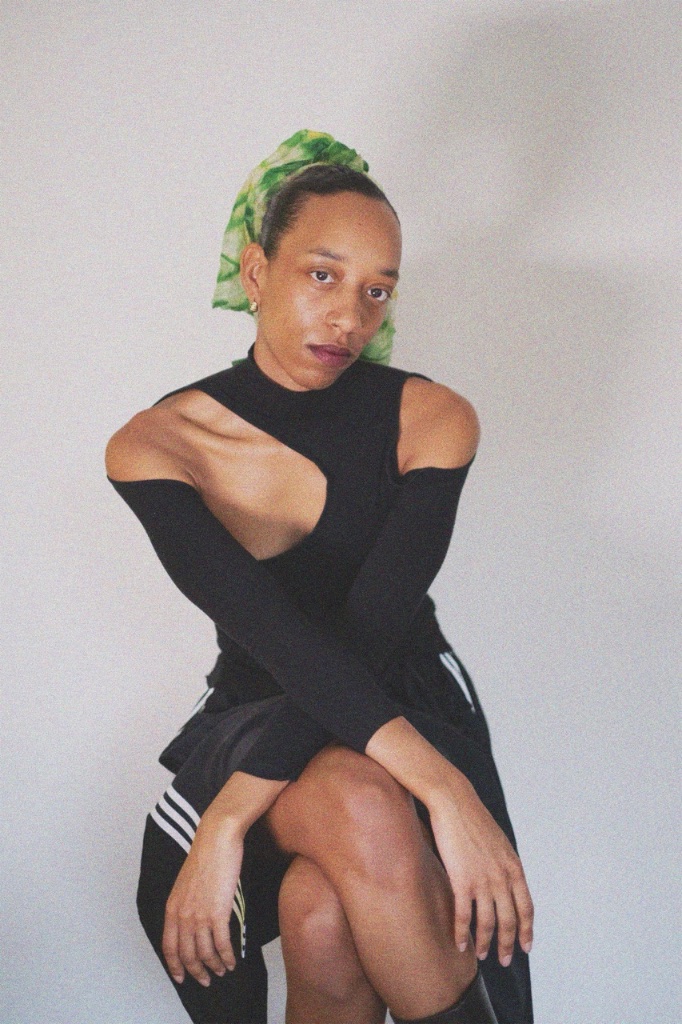
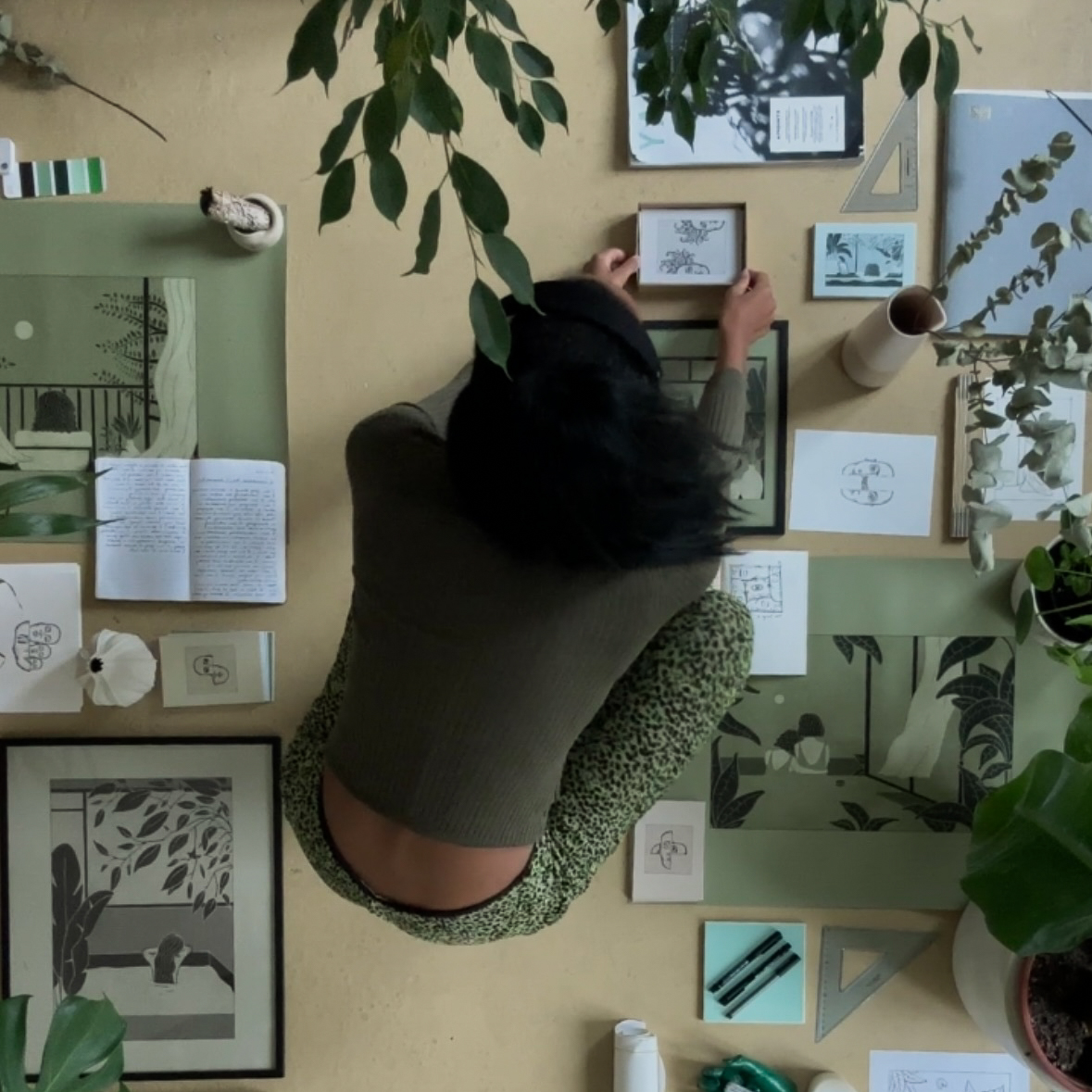
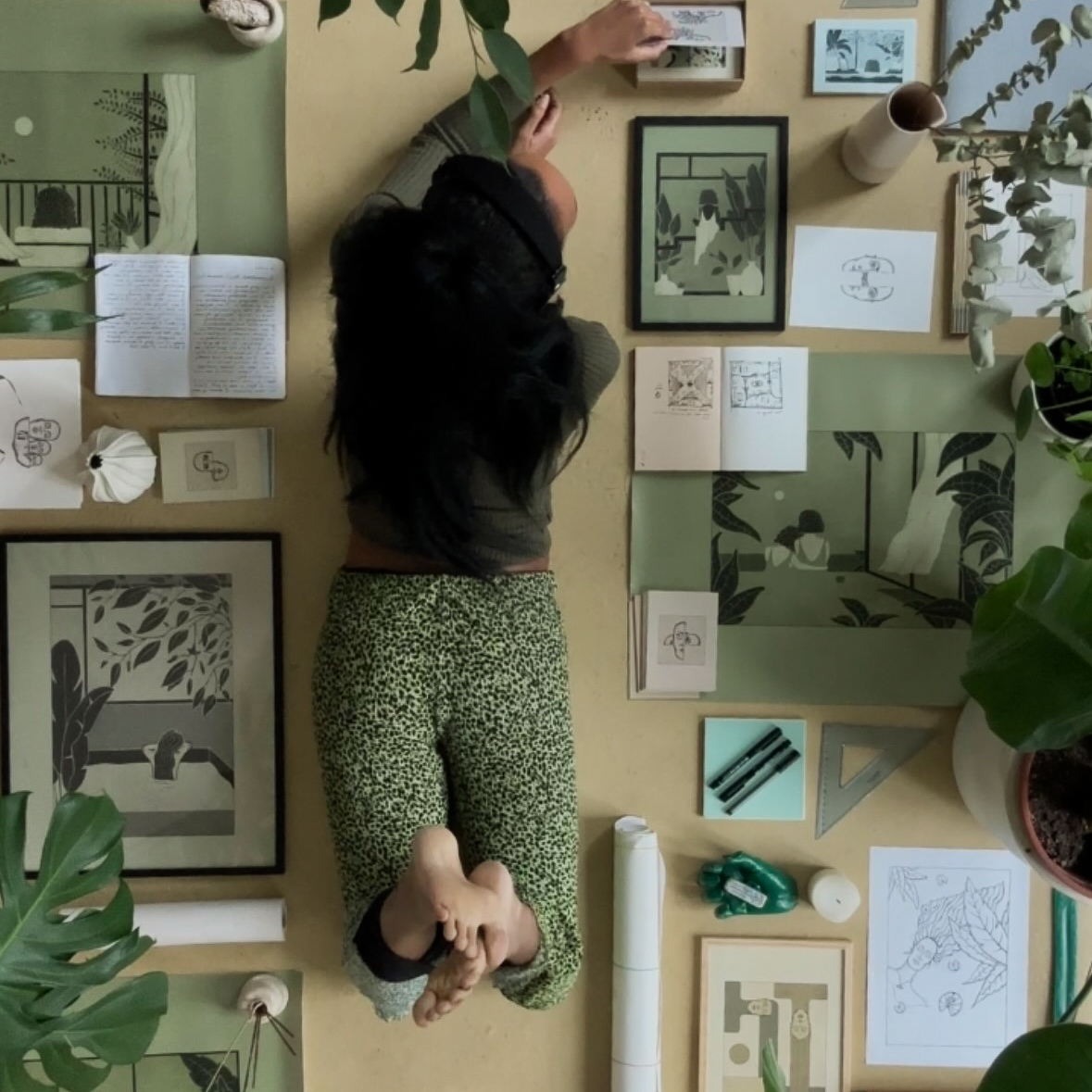
I am a scenographer, but I am now working as a curatorial assistant at AIA / Awareness in Art. My creative practice is driven by my curiosity, people- such as friends of mine or people I meet- music, and so on. I find it difficult to reduce it to something specific, since I would describe myself as someone who absorbs so much about my environment.
© Joslyne Ohoka
© Joslyne Ohoka
© Joslyne Ohoka
AKUA STUDIOS:
We all hold multiple identities. Can you share a moment when your work powerfully expressed one or more aspects of your identity - particularly those that feel underrepresented in European creative spaces?
JOSLYNE:
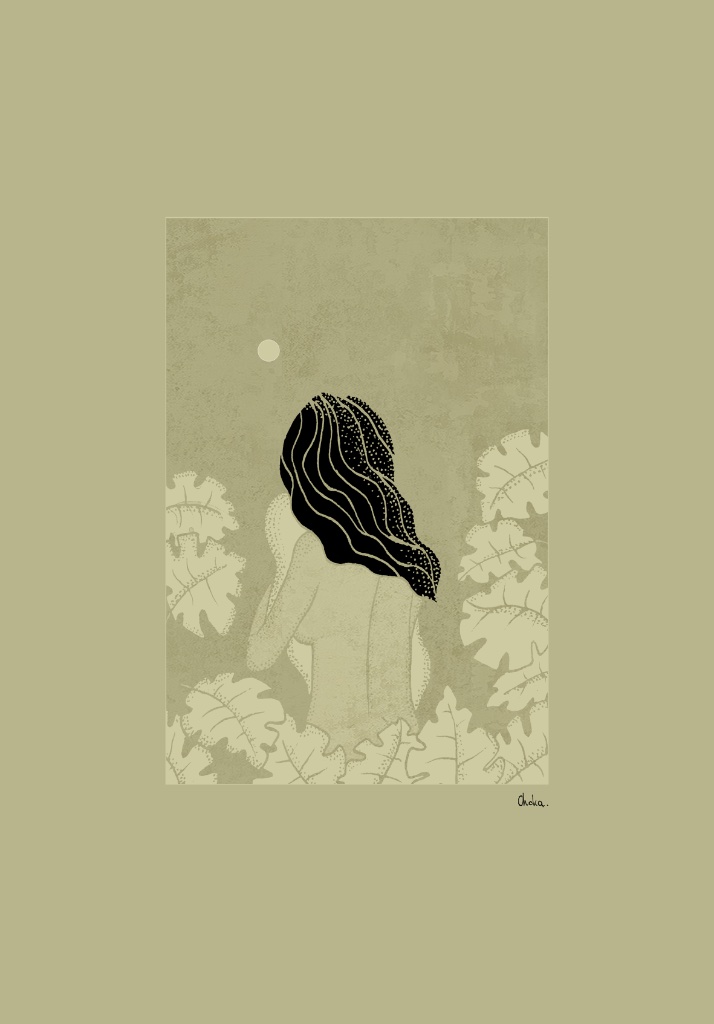
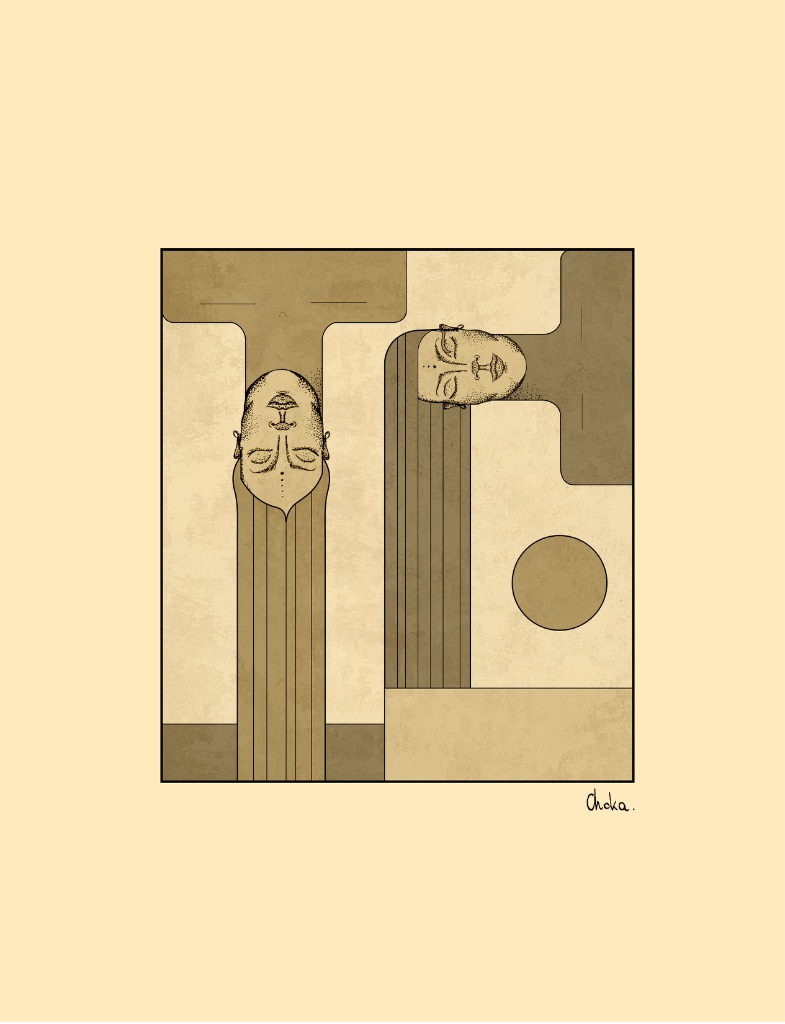
Well, I guess in the past two years I have had the luck to be part of some beautiful projects. Last summer, I worked as a scenographer for a pop-up gallery named Kusasa. The idea of the founder was to create a space that explicitly showed art by BIPOC artists in Switzerland—whether upcoming or more established. It was an interesting experience for me since, coming from the different but still creative field of scenography, I realized for the first time how privileged and elitist the art scene in Switzerland is. Therefore, I saw how much a creative art space for BIPOC people was needed, with the aim of making us feel seen and represented in a field where we are often sidelined—and in some cases, taken as tokens for a diversity quota.

© Joslyne Ohoka

© Joslyne Ohoka
JOSLYNE:
I also had the opportunity to support the stage design for the amazing project by Walesca Frank called the "Blackstammtisch," which took place last year at the Migros Museum of Contemporary Art in Zurich. The Blackstammtisch is a happening - an event and a meeting where BIPOC people share their experiences in a predominantly white society. It was the first time that a Blackstammtisch took place in a museum, and it was such a powerful thing to witness: BIPOC people taking space in a location where we are usually underrepresented—if represented at all—and where stories are often told by white people.
"If we wait for institutions to create something like this for us, we will be waiting a long time."
AKUA STUDIOS:
When navigating creative spaces in Europe, what barriers have you encountered? How do you maintain authenticity despite these?
JOSLYNE:
I think we are not yet where I would like us to be. I believe the barrier is the lack of space dedicated to BIPOC people, created by BIPOC people. You mentioned the last time we met a bookstore in Amsterdam created by BIPOC people and dedicated to Black authors. I think places like this are missing here in Switzerland. If we wait for institutions to create something like this for us, we will be waiting a long time. That's why I believe we should gather and create something together.
I think staying true to myself helps maintain my authenticity. I believe that learning to believe in myself and my community helps me stay true to who I am. Knowing that I—or we—can create great things, alone or together, maintains my authenticity.
© Joslyne Ohoka
© Joslyne Ohoka
AKUA STUDIOS:
Visibility vs. Tokenism - where do you draw the line? Can you share an experience that illustrates this distinction?
JOSLYNE:
I now draw the line at tokenism. I think it's sad that as BIPOC people, we still have to check or deal with symbolic representation and always check if the visibility of the project is genuine and meaningful.
I have had some experiences where I was sent to meetings because the male quota was apparently too high and the company was aware that it wouldn't be good publicity for them. There was the need to "balance" that disparity with me, I guess. A Black woman- jackpot. A token for the company to send to meetings so that people could see how "woke" and forward the company was. Ridiculous. I remember thinking what a waste of my time it was, but I hadn't developed the courage yet at the time to speak up and say something. Now, through these experiences I have had, I would definitely open my mouth and say something.
"I saw how much a creative art space for BIPOC people was needed, with the aim of making us feel seen and represented in a field where we are often sidelined (...).
© Joslyne Ohoka
© Joslyne Ohoka
AKUA STUDIOS:
Beyond just "being seen", what does meaningful representation look like to you in practice as a Black creative in Europe?
JOSLYNE:
I think meaningful representation should start with us creating, making, and taking space to represent ourselves in a meaningful way. I am not saying that this path is free of troubles, stress, or difficult times, but as mentioned before—if we wait for institutions or creative spaces to make space for us, we could be waiting a long time. I guess I don't have the patience anymore. And I think there is beauty, meaning, and joy in creating these spaces for ourselves.
AKUA STUDIOS:
How would you wish to see the creative industries evolve in the next 5 years? What would need to change structurally?
"I would love less tokenism and more visibility. And I would love to see more creative spaces made by us for us.
© Joslyne Ohoka
What to read next
Amsterdam · Stylist
Nelson van Pelt
Visual design and brand identity expert
Zurich · Writer and Director
DJIBRIL VUILLE ON THE ROLE OF FICTION IN A WORLD…
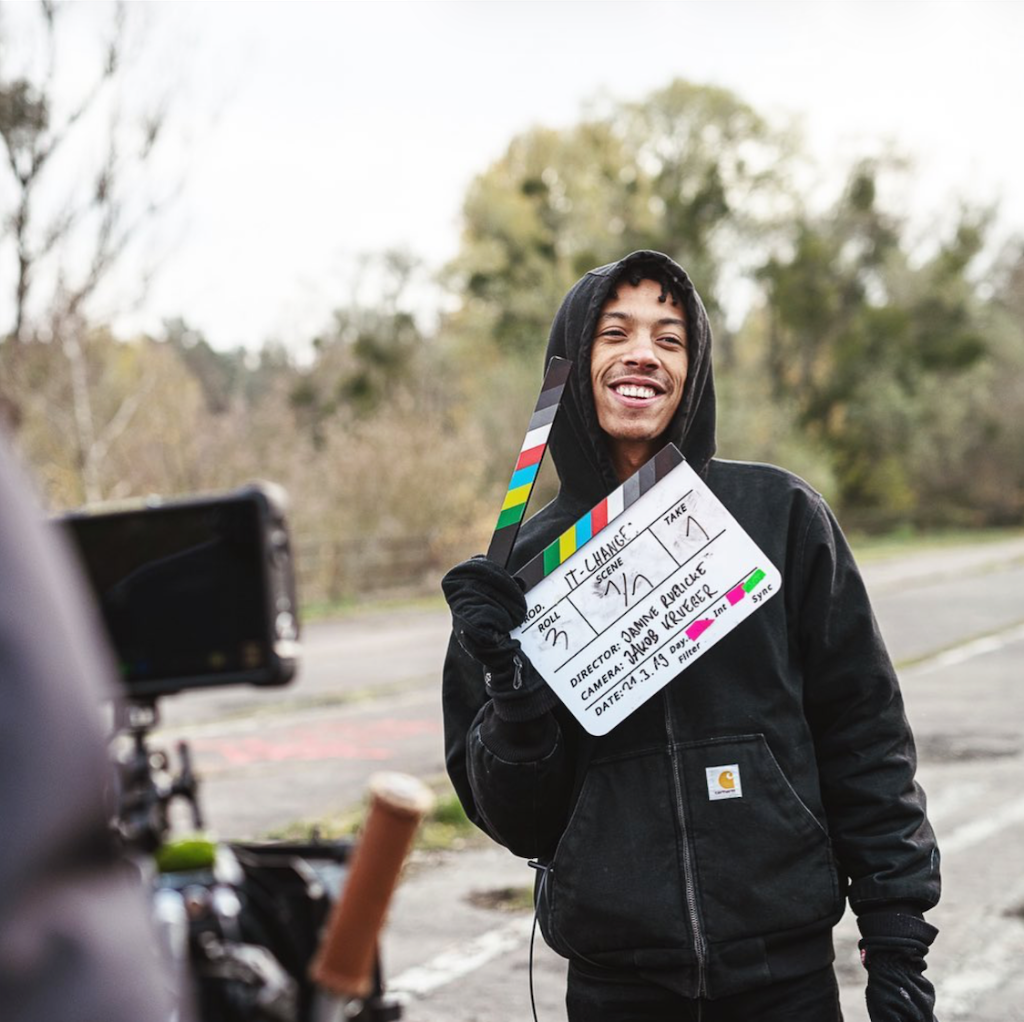
For Djibril Vuille, fiction is far more than mere escapism. It is a vital tool for rewriting the "B-plots" of a reality that often feels stranger than fiction itself. The Bern-based director and writer sees the screen as a space to confront the tragedies of our time, believing that a happy ending can only be earned by first facing the truth. In our conversation, he reflects on culture, representation, and the need for nuanced storytelling in a world shaped by quota-driven diversity. For Vuille, culture is not a carefully constructed concept, but something lived every day in the streets by the very people whose stories he seeks to tell.
Amsterdam · Typographer
KEVIN ROOI: ON THE PURPOSE OF BEING TRULY UNDERSTOOD
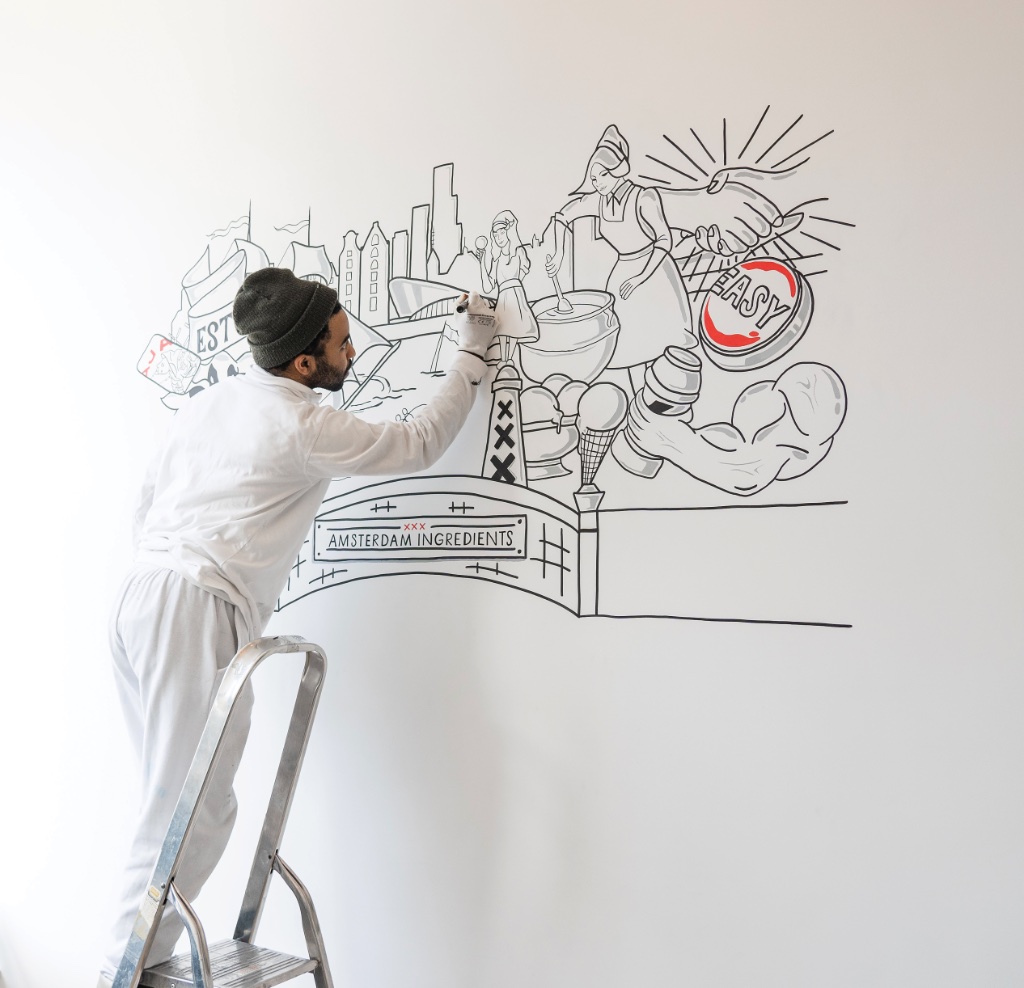
Typographer, lettering artist and graphic designer Kevin Rooi uses visual language to bridge the gap between communication and understanding. His practice is rooted in the belief that type can create shared value- but true representation requires more than just being seen. Kevin advocates for a future where Black talent is structurally supported, not just appreciated. We discuss the power of typography, the necessity of guidance, and his vision for an industry that actively invests in collective growth.
Brussels · Creative Director and Photographer
KELVIN KONADU: THE ARCHITECTURE OF INDEPENDENCE
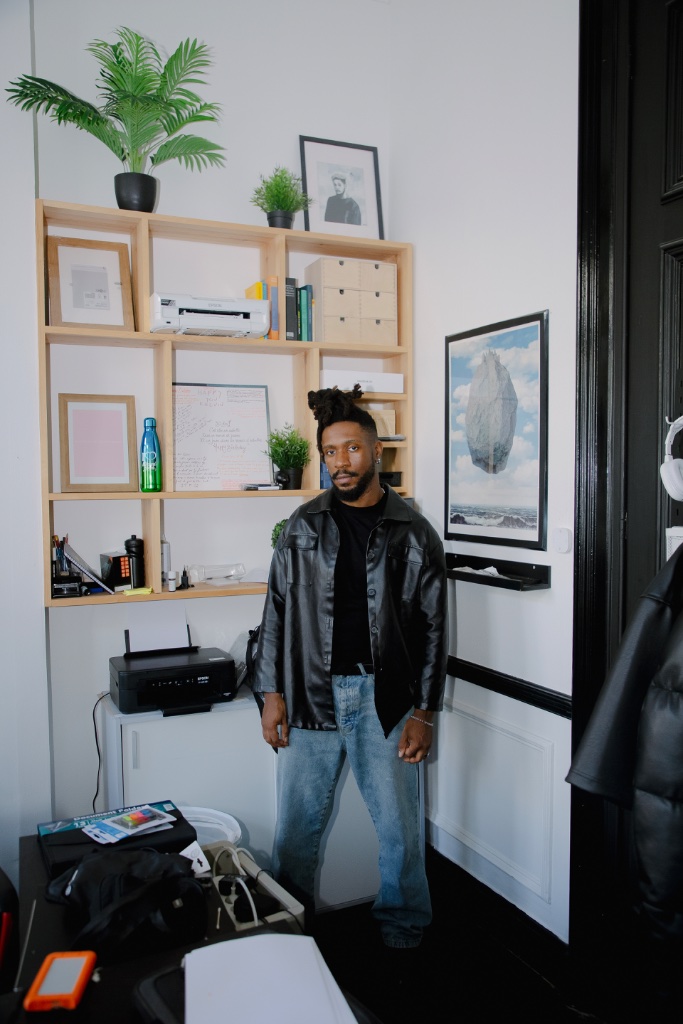
Visual artist and creative director Kelvin Konadu — founder of Sky Shooters Studio — has built his practice on a foundation of fierce autonomy. Refusing to be confined by geographic limitations or industry categories, Kelvin sees his work as a bridge between his Ghanaian roots and the European creative landscape. For him, visibility is a double-edged sword: it creates cultural currency, yet often lacks real decision-making power. Kelvin reflects on the "triple work" required to shift perceptions and his mission to build the infrastructure for a new generation to lead.
Follow us on Instagram to stay updated on all things
AKUA STUDIOS

