Brussels / Creative Director and Photographer
KELVIN KONADU: THE ARCHITECTURE OF INDEPENDENCE
Visual artist and creative director Kelvin Konadu — founder of Sky Shooters Studio — has built his practice on a foundation of fierce autonomy. Refusing to be confined by geographic limitations or industry categories, Kelvin sees his work as a bridge between his Ghanaian roots and the European creative landscape. For him, visibility is a double-edged sword: it creates cultural currency, yet often lacks real decision-making power. Kelvin reflects on the "triple work" required to shift perceptions and his mission to build the infrastructure for a new generation to lead.
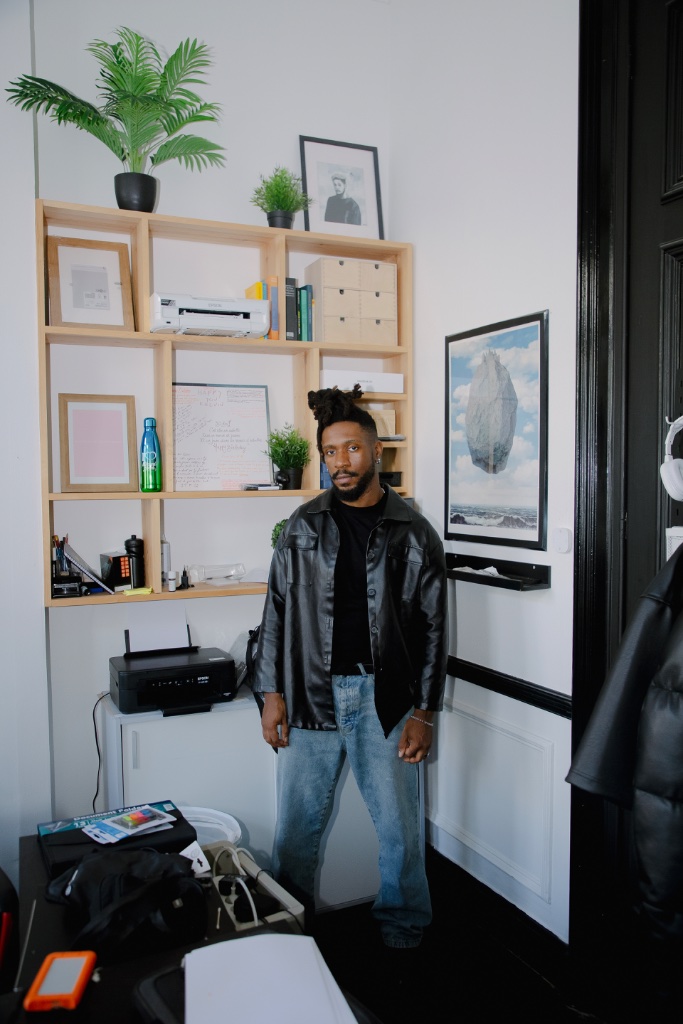
"I'm driven by the need to break my own codes, to never settle into a formula or a comfort zone. Every project is an opportunity to reinvent my approach, to explore new visual languages, to test the limits of what I thought I was capable of."
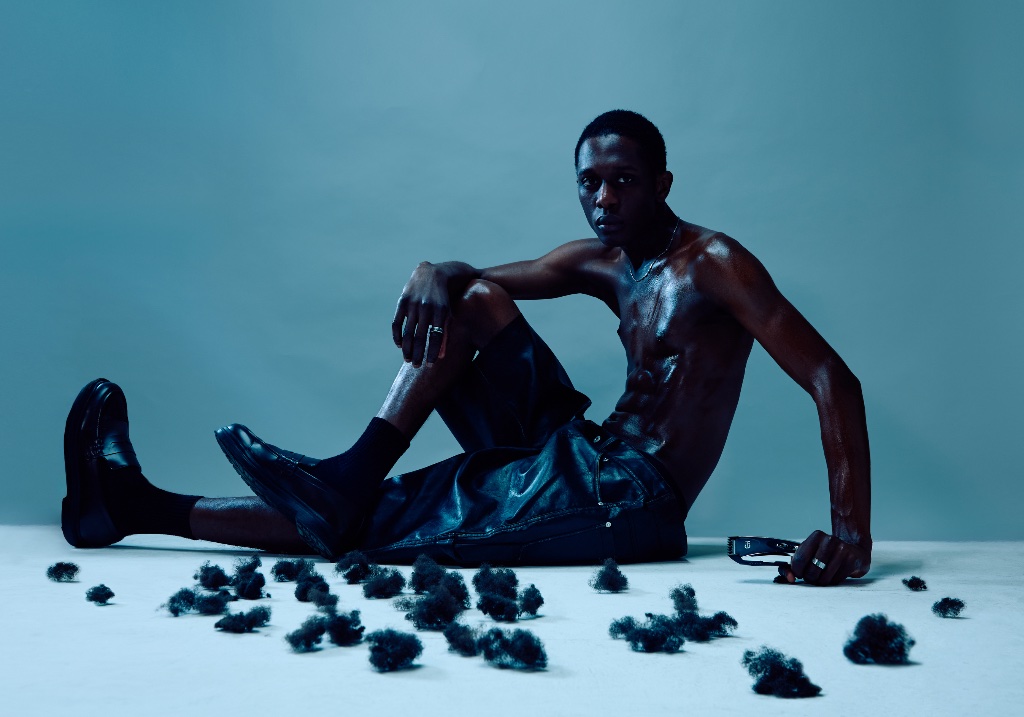
© Kelvin Konadu
AKUA STUDIOS:
What do you do? What's your passion?
KELVIN:
I'm a visual artist, photographer, and creative director but more than anything, I'm someone who resists being categorized or limited by a single definition. I founded Sky Shooters Studio as a space where vision meets execution — where I can create and build projects that transcend the frame. I position myself as a creative partner, not just a service provider.
My passion is art itself — the pursuit of creating something that challenges me, that pushes me beyond what I've already done. I'm driven by the need to break my own codes, to never settle into a formula or a comfort zone. Every project is an opportunity to reinvent my approach, to explore new visual languages, to test the limits of what I thought I was capable of. Photography is my foundation, but my vision extends far beyond the camera into storytelling and the larger artistic landscape where I can constantly evolve and redefine what my work means.
"It's not just about place; it's about access to the rooms where decisions are made, where creative visions are validated on a larger stage."
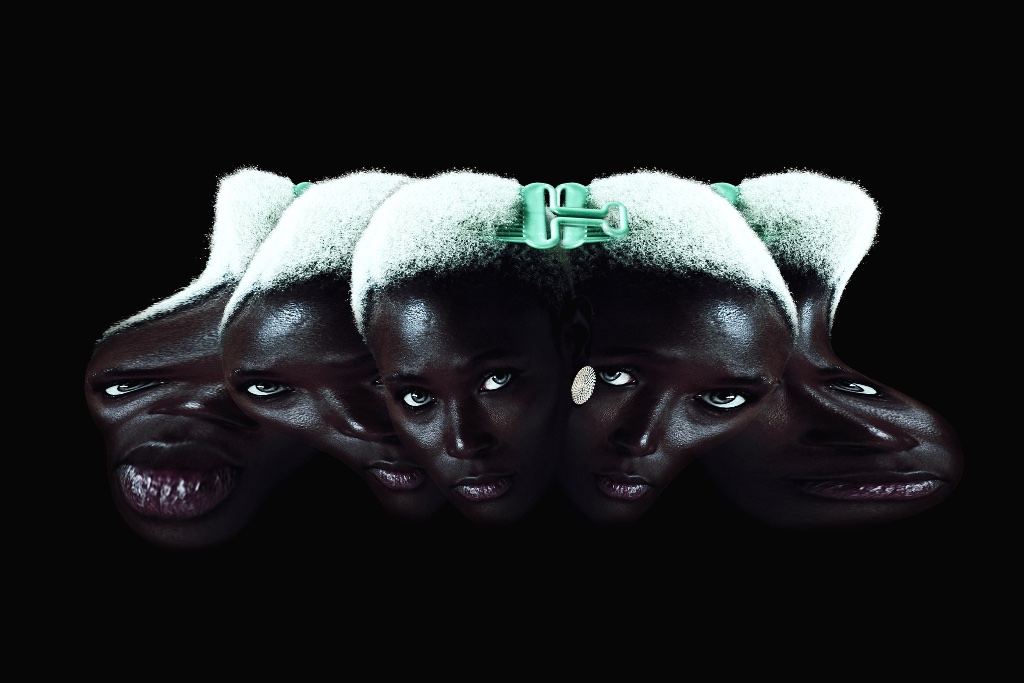
© Kelvin Konadu
"I think what's missing isn't talent or vision — it's reach. The creative industry still operates in networks, and when you're building from a smaller market, representation feels earned in increments rather than leaps. I'm not just fighting for a seat at the table; I'm fighting to show that the table should be bigger, more diverse, more international."
AKUA STUDIOS:
Do you feel represented in the creative industry? If yes, elaborate on the last time you felt that way. If no, what went wrong from your perspective?
KELVIN:
Good question! Honestly, no — not yet. I still feel like I'm in a box and still fighting to show what I'm able to do. I see the evolution. Opportunities are slowly opening — collaborations with cultural institutions, exhibitions that resonate. But I can't ignore this persistent feeling that I'm capable of much more within this industry. Part of it comes from where I'm living. Belgium has given me a foundation, a space to grow, but I haven't traveled extensively. I haven't immersed myself in the creative ecosystems of Paris, London, New York, or Accra — places where the conversations, the collaborations, and the visibility operate at a different scale. I feel the weight of that geographic limitation. It's not just about place; it's about access to the rooms where decisions are made, where creative visions are validated on a larger stage.
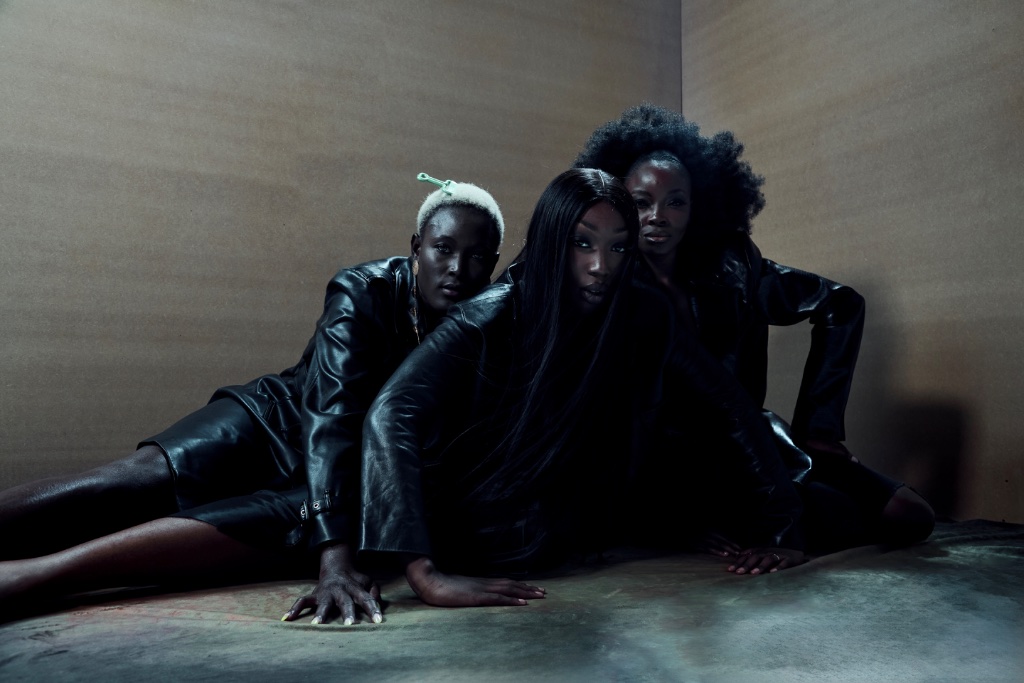
© Kelvin Konadu
© Kelvin Konadu
© Kelvin Konadu
KELVIN:
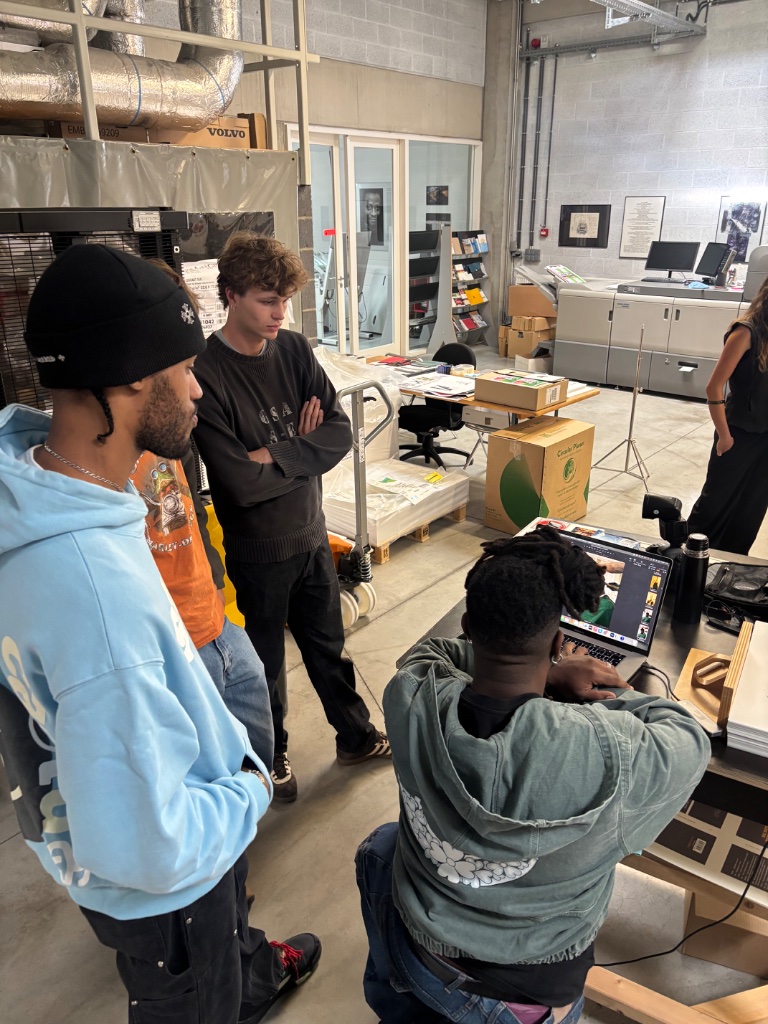
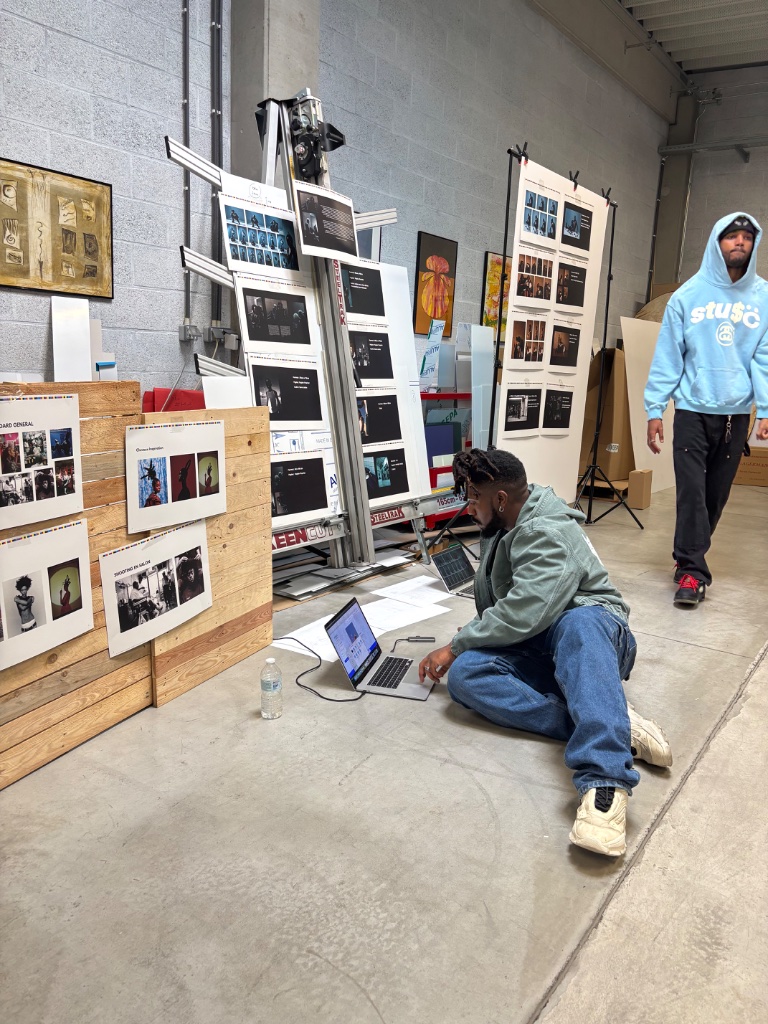
Right now, much of my focus is on building and sustaining the studio — producing work, maintaining visibility, and managing the demands of running an independent creative practice. It's a reality that requires intense dedication, which sometimes means less bandwidth for the kind of bold, experimental, international projects I'm eager to pursue at a larger scale.
I think what's missing isn't talent or vision — it's reach. The creative industry still operates in networks, and when you're building from a smaller market, representation feels earned in increments rather than leaps. I'm not just fighting for a seat at the table; I'm fighting to show that the table should be bigger, more diverse, more international.
There's also a marker I'm conscious of: collaborations with major artists and influential figures — the kind whose work shapes culture at a global scale. Those partnerships signal something important: that your vision is trusted at the highest level, that you're operating in the same creative league. I'm not there yet, but I'm building toward it intentionally.
So no, I don't feel fully represented yet. But I'm moving in that direction — deliberately, strategically. The work I'm doing now is laying the foundation for the next chapter.
"But I've also realized that creative blocks aren't always about inspiration. Sometimes they're structural."
© Kelvin Konadu
© Kelvin Konadu
AKUA STUDIOS:
Whenever you feel stuck in your creative process, what do you do?
KELVIN:
I take a step back. When I feel blocked creatively, I've learned that forcing it rarely works. Instead, I create space to breathe and reflect. I do a retrospective of the work I've done recently — looking at what resonated, what didn't, where the energy was flowing and where it wasn't. Sometimes that clarity alone is enough to unlock something new.
But I've also realized that creative blocks aren't always about inspiration. Sometimes they're structural. It might be a budget limitation that's narrowing my options, preventing me from executing a vision at the scale it deserves. Or it's about collaboration — working in Liège, I sometimes face a reality where the local pool of collaborators doesn't always match the ambition or technical level a project requires. That's not a criticism; it's just the constraint of a smaller creative market.
When that happens, I adapt. I either find ways to work remotely with people who align with the vision, or I simplify the concept to make it work within the resources I have. But I stay honest with myself about what's blocking me — because you can't solve a problem you're not willing to name. The break isn't about waiting for inspiration to strike. It's about reassessing the conditions — creative, logistical, financial — and deciding what needs to shift for the work to move forward.

"I know that might sound contradictory, but hear me out. As a Black creative in Europe, visibility means doing triple the work. There's the work on yourself, the work on your craft, and the work on shifting the perceptions around you. It's exhausting. It's constant. But I refuse to believe that behind all this labor and sacrifice, there isn't something magnificent waiting on the other side."
"But being the subject is different from holding the reins."
AKUA STUDIOS:
What does visibility mean to you as a Black creative in Europe?
KELVIN:
It's intriguing, honestly. But also — and I mean this — it's beautiful. I know that might sound contradictory, but hear me out. As a Black creative in Europe, visibility means doing triple the work. There's the work on yourself, the work on your craft, and the work on shifting the perceptions around you. It's exhausting. It's constant. But I refuse to believe that behind all this labor and sacrifice, there isn't something magnificent waiting on the other side.
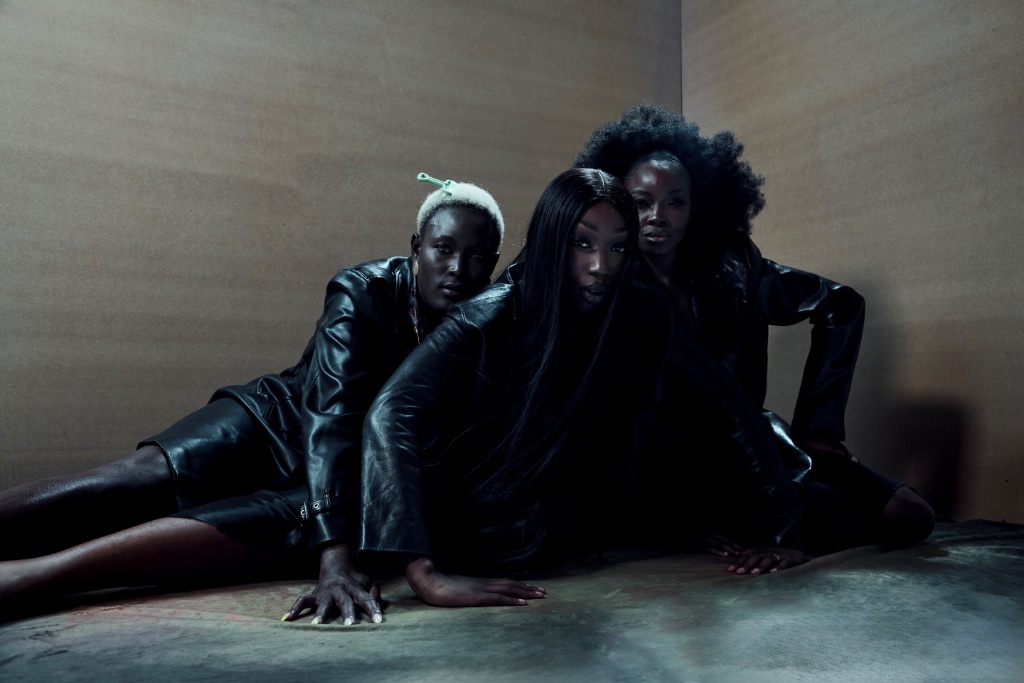
Let's be clear: visibility has increased. More opportunities are opening, more doors are cracking. But visibility doesn't equal control. We've always been an interesting subject in entertainment and the creative world — that's never been a secret. When I get called for projects, I understand the dynamic: I bring something culturally relevant to the table. There's a perception in Europe that Black creatives bring the "cool factor" — whether it's visual aesthetics, music, dance, or sports. We're seen as what connects with young audiences, what brings energy and cultural currency. That appeal is real, and I know it opens doors. But being the subject is different from holding the reins. Being featured in projects, bringing that cultural value, doesn't automatically mean we're leading them, shaping their creative vision, or making the final decisions about direction and execution.
© Kelvin Konadu
"It's about bringing our perspectives, our aesthetics, our narratives into the mainstream fabric of European creativity."
AKUA STUDIOS:
How would you wish to see the creative industries evolve in the next 5 years?
KELVIN:
I want to see true access, not just visibility. Visibility is important, but it's not enough. In the next 5 years, I want to see more of us in decision-making positions — Creative Directors, Art Directors, CEOs of agencies, Festival Directors, Curators at major institutions. Not as tokens, but as leaders shaping the industry's direction.
I want to see a dismantling of the geographic and economic barriers that keep talented creatives boxed in. The industry still operates on proximity and privilege — if you're not in Paris, London, or New York, if you don't have the budget to compete at scale, your voice gets marginalized. That has to change. Talent and vision should matter more than location or capital.
I want to see more infrastructure built to support independent creatives — grants that actually go to people building from the ground up, platforms that prioritize work over networks, collaborations that cross borders naturally, not as diversity initiatives but as creative necessities.
And I want to see our entrepreneurs from the continent — the CEOs, millionaires, billionaires — invest in us. This is an exchange of processes, a mutual benefit. We're building cultural capital, visual narratives, creative economies that bridge Africa and Europe. When they invest in Black creatives in the diaspora, they're not doing charity — they're expanding their reach, their influence, their legacy. It's strategic, not symbolic.
And I want to see us stop having to do triple the work just to be taken seriously. The hustle shouldn't be survival; it should be creation. We shouldn't have to keep our heads above water — we should be able to swim freely, experiment boldly, fail without losing everything, and succeed on our own terms.
Personally, I want to finally be out of the box. To work internationally without constraints, to collaborate at the scale my vision demands, to be recognized not as "a Black creative in Belgium" but as a creative director, period — whose work speaks across borders and industries.
In 5 years, I want the industry to reflect the world we actually live in — diverse, international, driven by vision and craft, not just by who had access first. That's the evolution I'm working toward. And I believe it's possible.
"To work internationally without constraints, to collaborate at the scale my vision demands, to be recognized not as 'a Black creative in Belgium' but as a creative director, period — whose work speaks across borders and industries."
What to read next
Zurich · Scenographer
JOCLYNE OHOKA: NO PATIENCE TO WAIT ON INSTITUTIONAL CHANGE
In a landscape where BIPOC creatives often move between the desire for autonomy and the struggle for institutional inclusion, scenographer and curatorial assistant Joslyne Ohoka is tired of waiting for an invitation to the table. Instead, she is focused on the spaces built by fellow creatives like herself. From her work with the BIPOC-centered Kusasa Pop-Up Gallery to supporting the "Blackstammtisch" at Zurich's Migros Museum, Joslyne's practice is centered on the literal reclaiming of space and the rejection of the hollow promises of diversity. She opens up about tokenism, the beauty of building creative spaces from within, and why waiting for institutions to act is no longer an option.
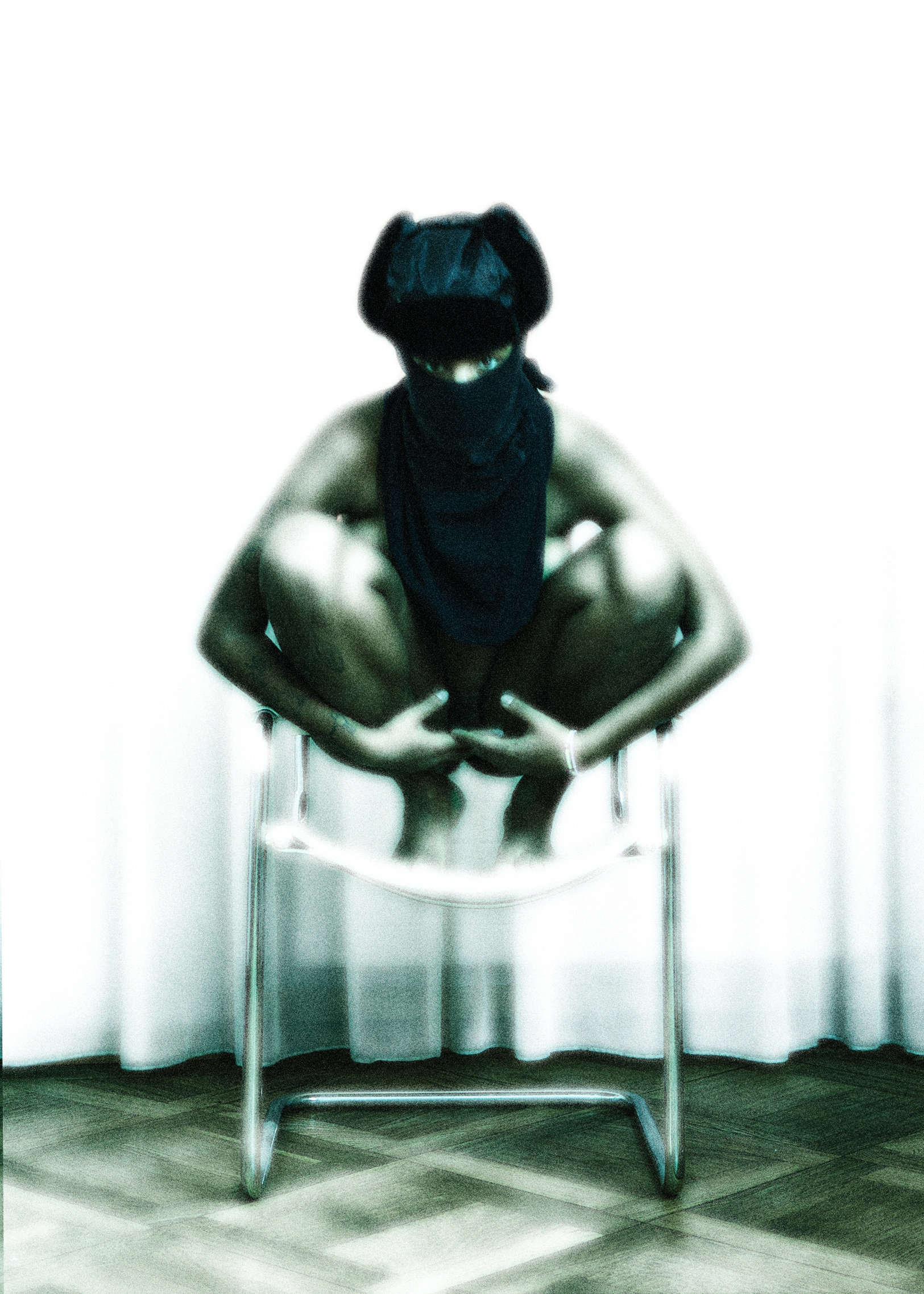
Zurich · Photographer
BINTA KOPP ON CREATING WORLDS OF CONNECTION AND COMMUNITY
Moving between photography, film and music, the Zurich-based artist Binta Kopp creates intimate worlds shaped by emotion, presence and human connection. Her images do not simply document people—they make space for them to exist on their own terms. With a practice grounded in sensitivity and community, Binta is interested in the moments that feel honest, unguarded and real. In our conversation, she reflects on the power of creating spaces where people feel understood, and imagines a creative landscape that leaves more room for experimentation, collaboration and a wider range of voices.
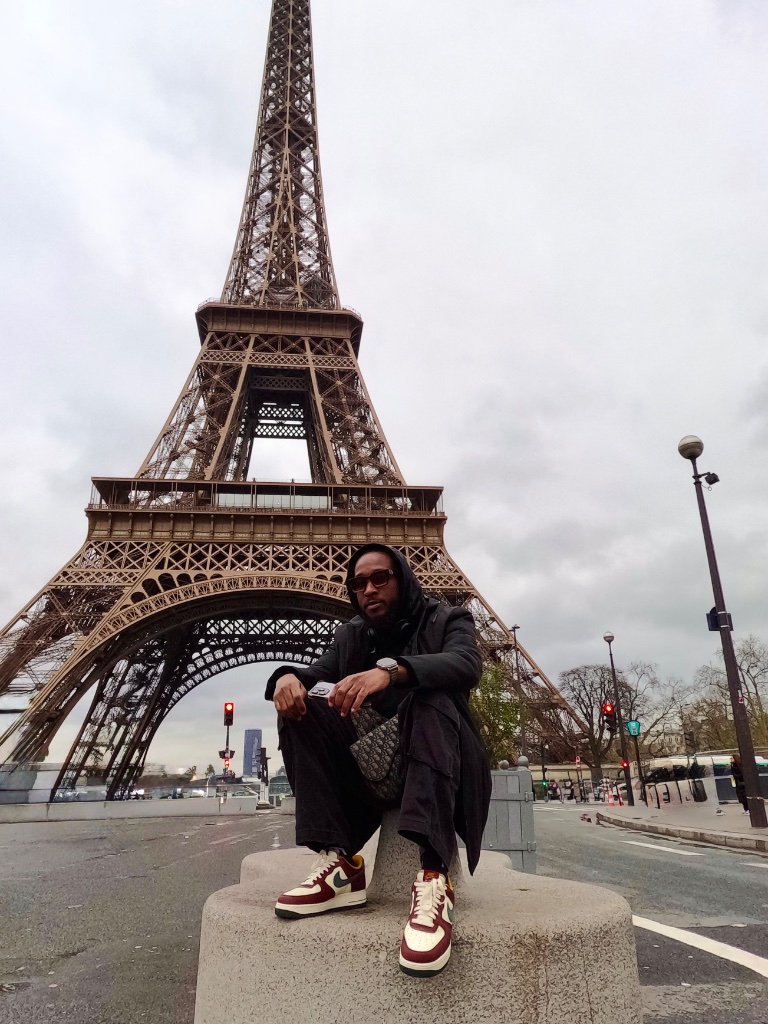
Paris · Photographer
KOFI DUAH: VISIBILITY IS BEING SOUGHT FOR YOUR VOICE
Visual architect and photographer Kofi Duah describes his practice as an active process of Sankofa- the Ghanaian principle of reaching back to reclaim what was lost to move forward. With a background in design and a lens focused on the portrait, he unearths the nuances of the European-Black experience, creating a visual archive that moves beyond the monolithic gaze. For Kofi, true visibility is not about being a checkbox for institutions, but about the agency to be abstract, experimental, and universal. The Los Angeles-based artist opens up about the burden of explanation and his vision for a creative ecosystem built on equity rather than PR-driven diversity.
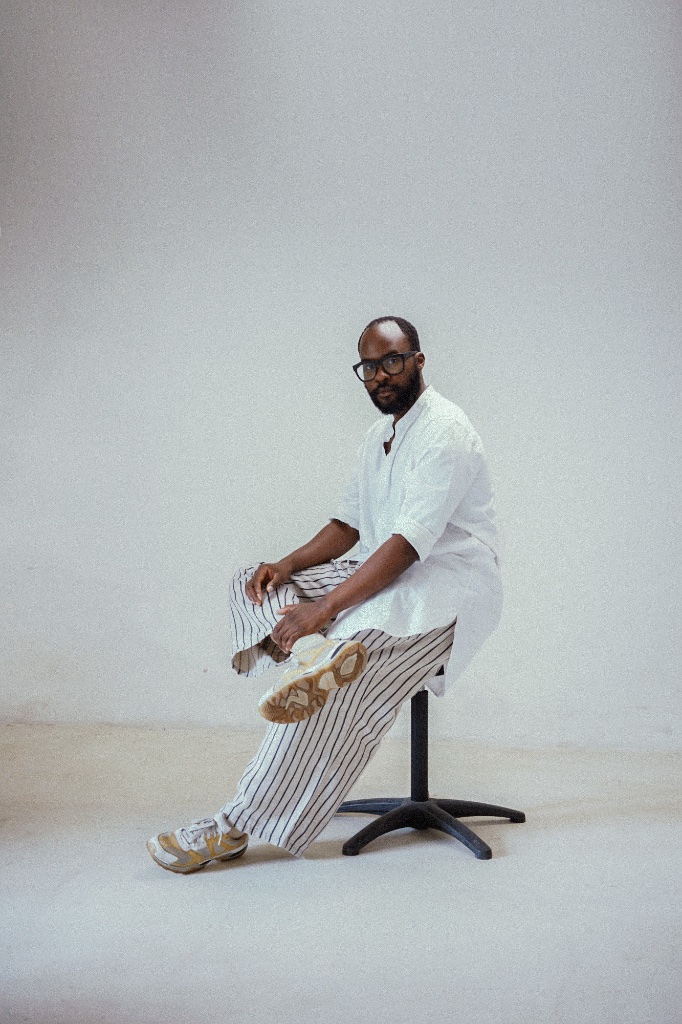
London · Visual Artist
LAKIN OGUNBANWO: A MEETING POINT OF IDENTITIES
For Lakin Ogunbanwo, the creative process is an act of self-observation. Once known primarily as a photographer, the Nigerian artist is now expanding into collage and writing, refusing to define his practice too neatly. While his work often travels to European markets, Lakin remains firmly rooted in the cultural logic of his home, viewing the Western art world as a marketplace rather than a source of belonging. We spoke with the London-based creative about the power of staying curious, the nuances of Yorubaness, and why true authenticity comes from creating for your own community first, while letting the rest of the world simply bear witness.
Follow us on Instagram to stay updated on all things
AKUA STUDIOS

