Paris / Photographer
KOFI DUAH: VISIBILITY IS BEING SOUGHT FOR YOUR VOICE
Visual architect and photographer Kofi Duah describes his practice as an active process of Sankofa- the Ghanaian principle of reaching back to reclaim what was lost to move forward. With a background in design and a lens focused on the portrait, he unearths the nuances of the European-Black experience, creating a visual archive that moves beyond the monolithic gaze. For Kofi, true visibility is not about being a checkbox for institutions, but about the agency to be abstract, experimental, and universal. The Los Angeles-based artist opens up about the burden of explanation and his vision for a creative ecosystem built on equity rather than PR-driven diversity.
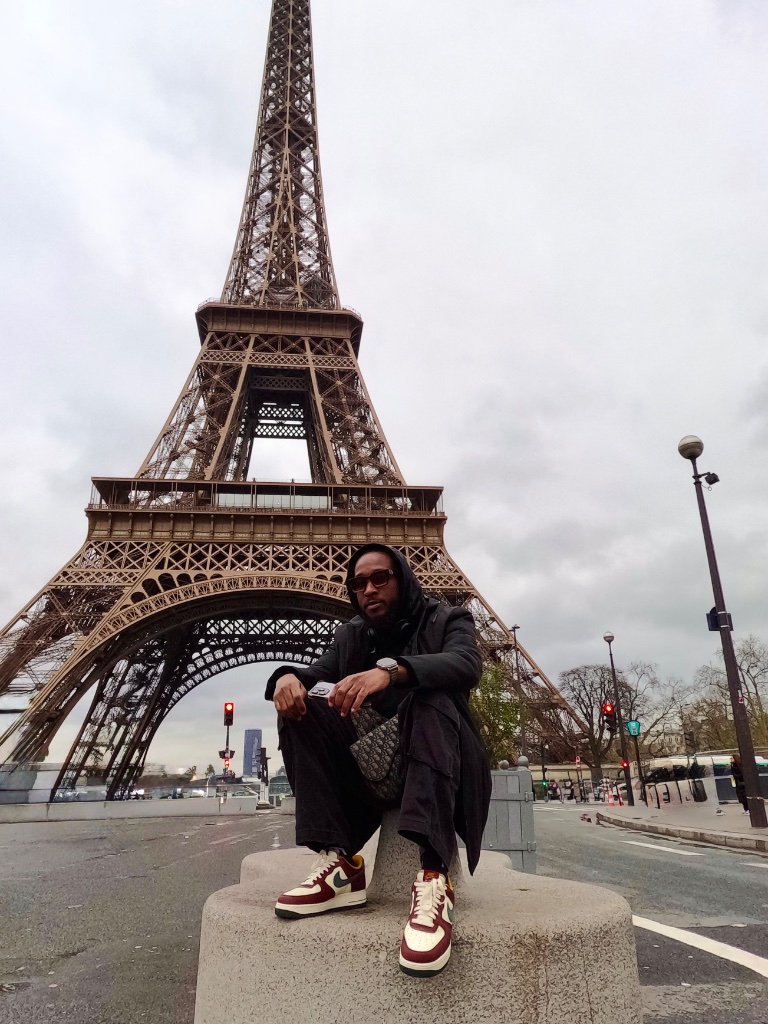
"The work wasn't about trauma, but about resilience, memory, and the beautiful, complicated tapestry of existing in a body that is both European and undeniably African."
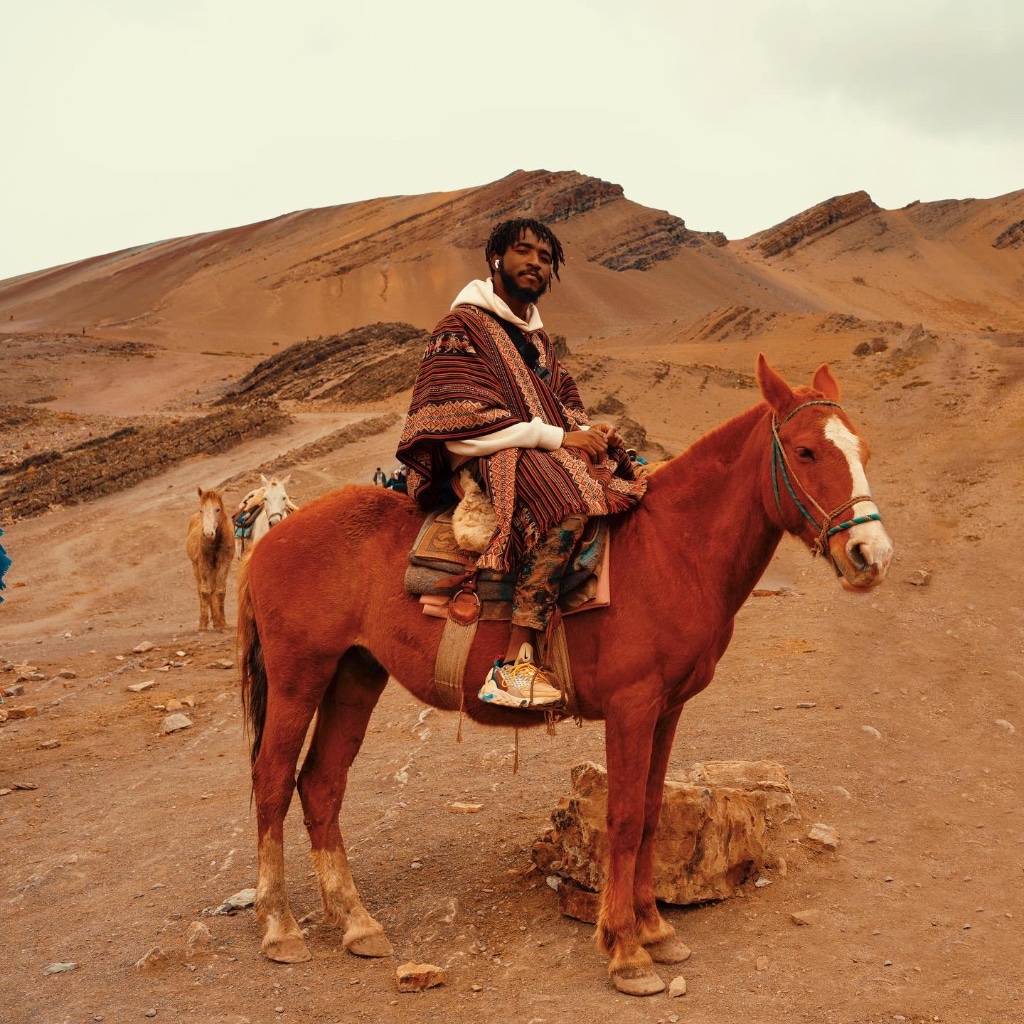
© Kofi Duah
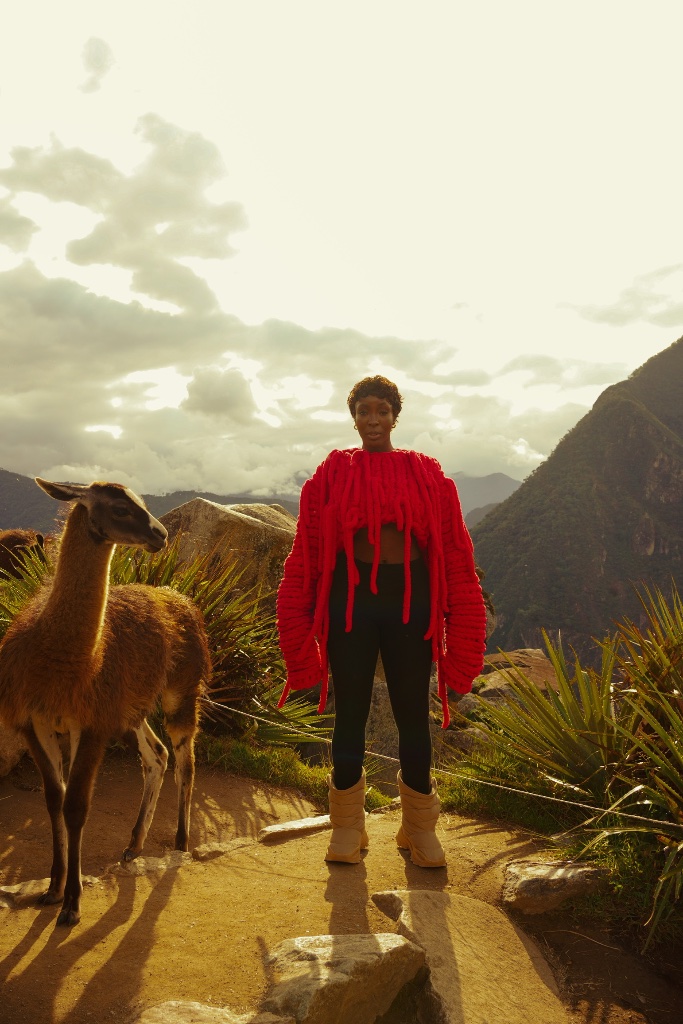
© Kofi Duah
AKUA STUDIOS:
What drives your creative practice?
KOFI:
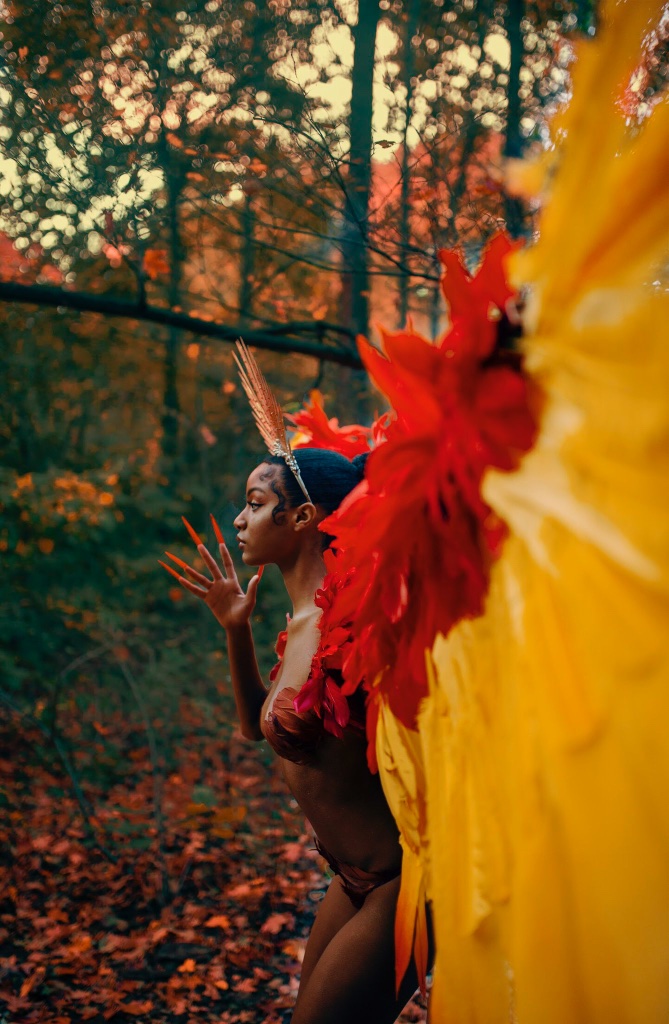
I am a visual architect of identity and memory. By training, I hold a Masters in Design, which gives me a rigorous framework for understanding composition, narrative, and systems. By practice, I am a photographer who uses the portrait as my primary medium of inquiry.
What drives me is the concept of Sankofa—a Ghanaian principle of reaching back to reclaim what was lost in order to move forward. My creative practice is an active process of Sankofa. I am driven to unearth, re-imagine, and document the nuances of the Black experience—particularly the diasporic, European-Black experience—that often go unrecorded or are flattened by a monolithic gaze. It's about creating a visual archive of our complexity, our joy, our interiority, and our future speculations.
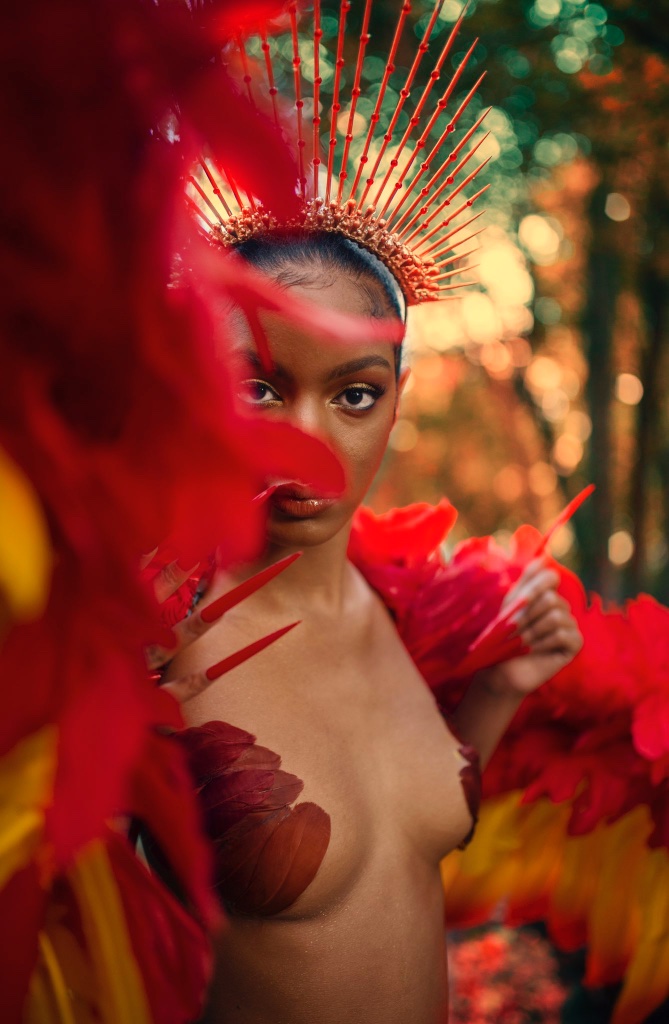
© Kofi Duah
© Kofi Duah
"I was the academic, using research and conceptual design to frame a personal history. And I was the artist engaging in a ritual of care and community that is passed down through generations."
AKUA STUDIOS:
We all hold multiple identities. Can you share a moment when your work powerfully expressed one or more aspects of your identity?
KOFI:
My series "Not for sale" comes to mind. It explored the horrifying nature of families that migrate illegally to Europe. That got through Libya and got sold as slaves instead. This was not just for aesthetics, but as a living archive. In one particular self-portrait, I photographed a man in a forest running with his child in hand and a tag that says "not for sale". Based of the strong imageries it got picked up and got lot of publicity on it self even got me an interview with BBC AND CNN to talk about that topic.
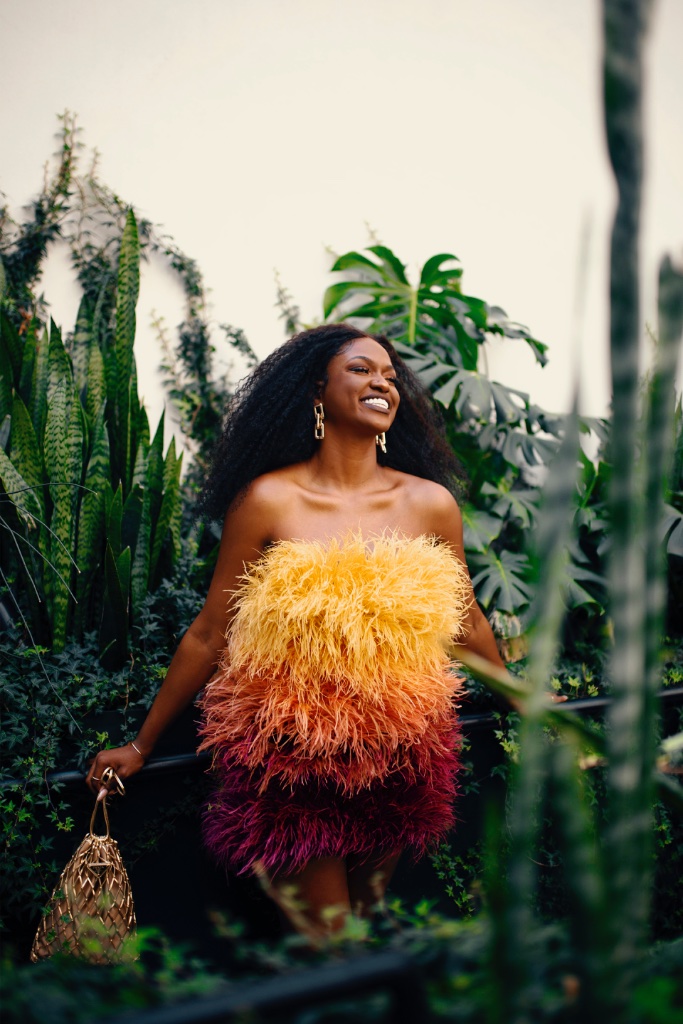
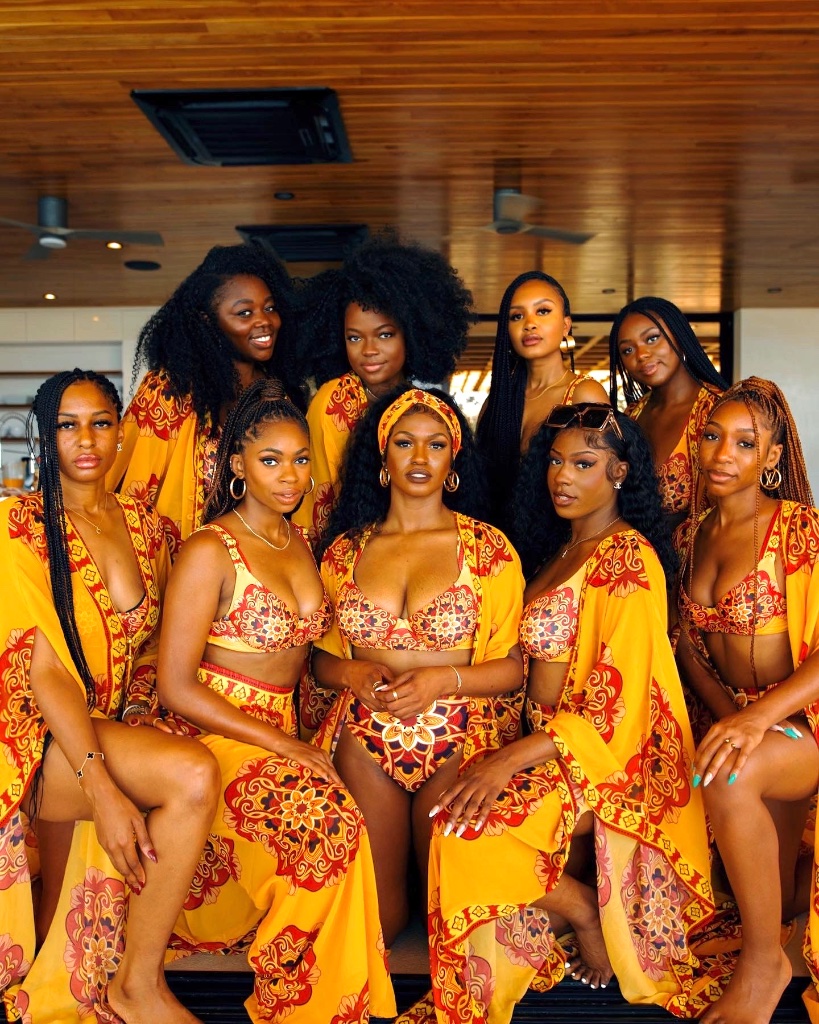
I also had a project that focused on black women in high fashion and In that single image, I expressed multiple, often underrepresented, identities: The Models were Black immigrants, whose very presence is a direct result of those lines on the map. I was the academic, using research and conceptual design to frame a personal history. And I was the artist engaging in a ritual of care and community that is passed down through generations. The work wasn't about trauma, but about resilience, memory, and the beautiful, complicated tapestry of existing in a body that is both European and undeniably African. It made visible the silent histories we carry in our very skin and hair.
"I also cultivate a small, trusted circle of other Black creatives and thinkers. Their gaze is my litmus test for truth."
© Kofi Duah
"The European canon is often presented as the singular standard of excellence. When my work incorporates vibrant colour palettes, patterns, or narratives rooted in African aesthetics, it can be dismissed as "decorative" or "ethnic," rather than understood as a deliberate and sophisticated visual language."
© Kofi Duah
"There's an expectation that your work must first "educate" a white audience about Blackness before it can be appreciated as art. Your work is often funneled into themes of "race," "diversity," or "migration," while a white peer exploring "memory" or "landscape" is seen as universal."
AKUA STUDIOS:
When navigating creative spaces in Europe, what barriers have you encountered? How do you maintain authenticity?
KOFI:
The most pervasive barrier is the burden of explanation. There's an expectation that your work must first "educate" a white audience about Blackness before it can be appreciated as art. Your work is often funneled into themes of "race," "diversity," or "migration," while a white peer exploring "memory" or "landscape" is seen as universal.
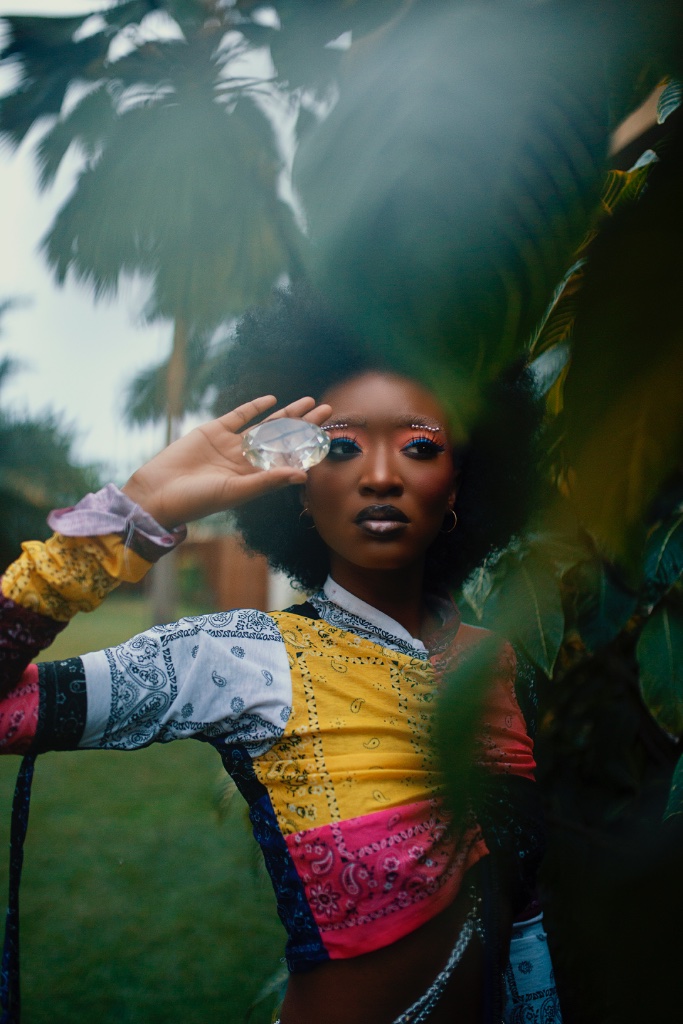
Another is aesthetic gatekeeping. The European canon is often presented as the singular standard of excellence. When my work incorporates vibrant colour palettes, patterns, or narratives rooted in African aesthetics, it can be dismissed as "decorative" or "ethnic," rather than understood as a deliberate and sophisticated visual language.
I maintain authenticity by grounding my practice in a personal lexicon. I return to my own research, my own family archives, my own questions. I ask myself, "Does this decision serve my narrative, or am I making it to make my work more palatable?" I also cultivate a small, trusted circle of other Black creatives and thinkers. Their gaze is my litmus test for truth.
© Kofi Duah
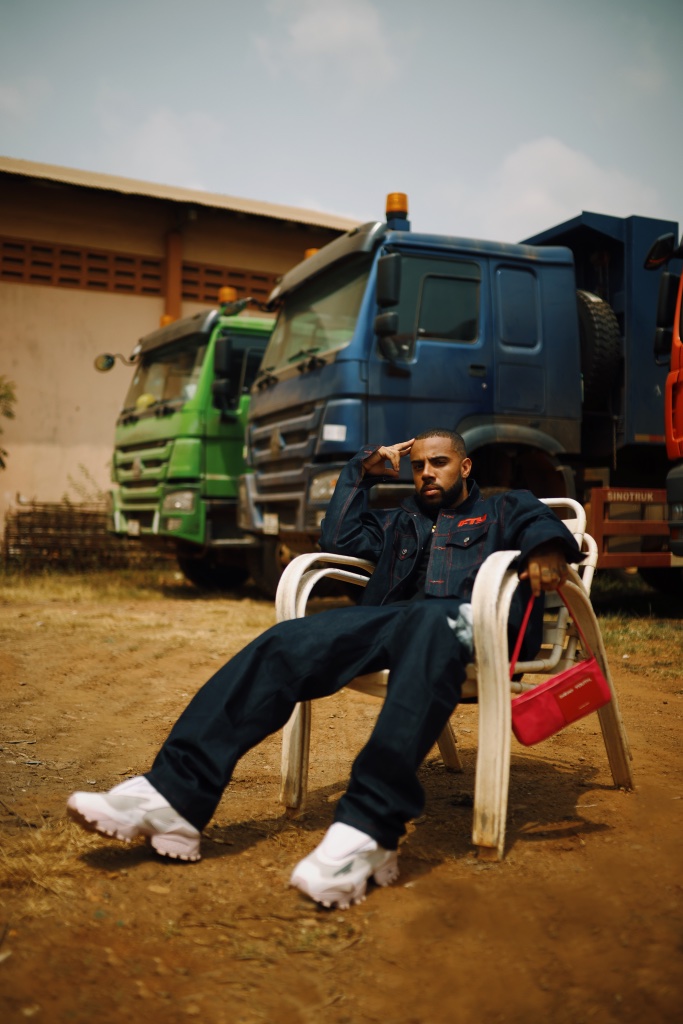
© Kofi Duah
AKUA STUDIOS:
Visibility vs. Tokenism — where do you draw the line?
KOFI:
Visibility is being sought for your voice. Tokenism is being sought for your silhouette.
The line is drawn at agency and context. Visibility means you are in the room as a collaborator, with your expertise respected. Tokenism is when you are in the room as a prop, to fill a quota or to provide a veneer of inclusivity for an institution that has not done the deeper work.
I experienced this distinction clearly with two different gallery shows. One curator approached me saying, "We love your 'Not For Sale' series and want to build a conversation about archival practices around it." We collaborated. The other called to say, "We're doing a show on 'The African Body' and need a Black male photographer." My work was just a checkbox. In the first, I had agency; in the second, I was a token.
"Decision-Making Power: It means having Black curators, editors, gallerists, and funding bodies who control budgets, shape narratives, and greenlight projects. It's about who gets to define what is "good" or "important" art."
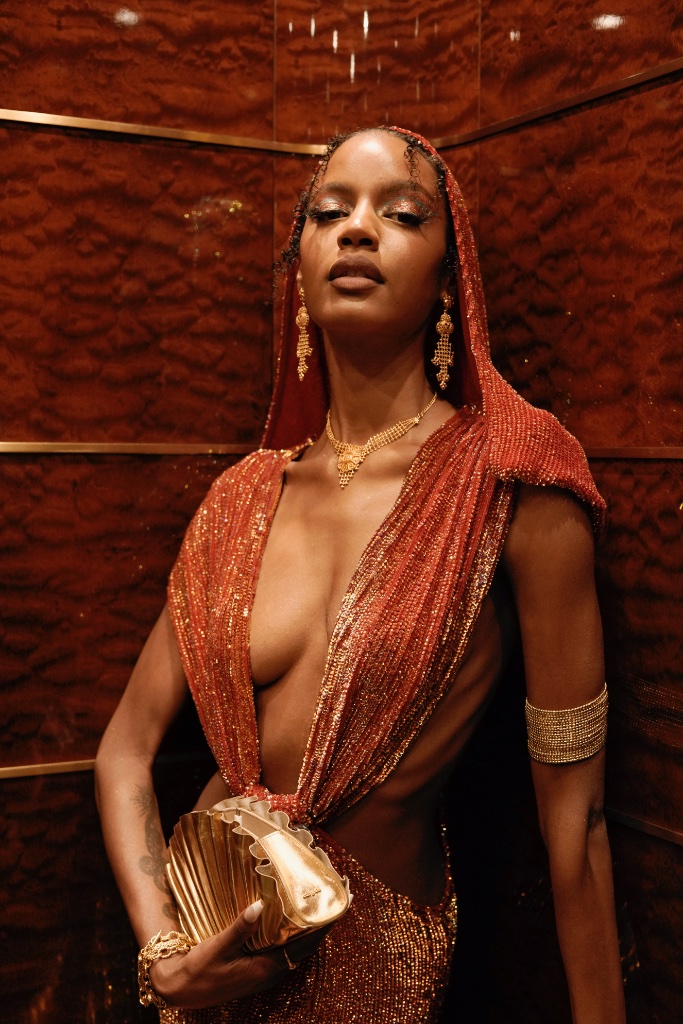
© Kofi Duah
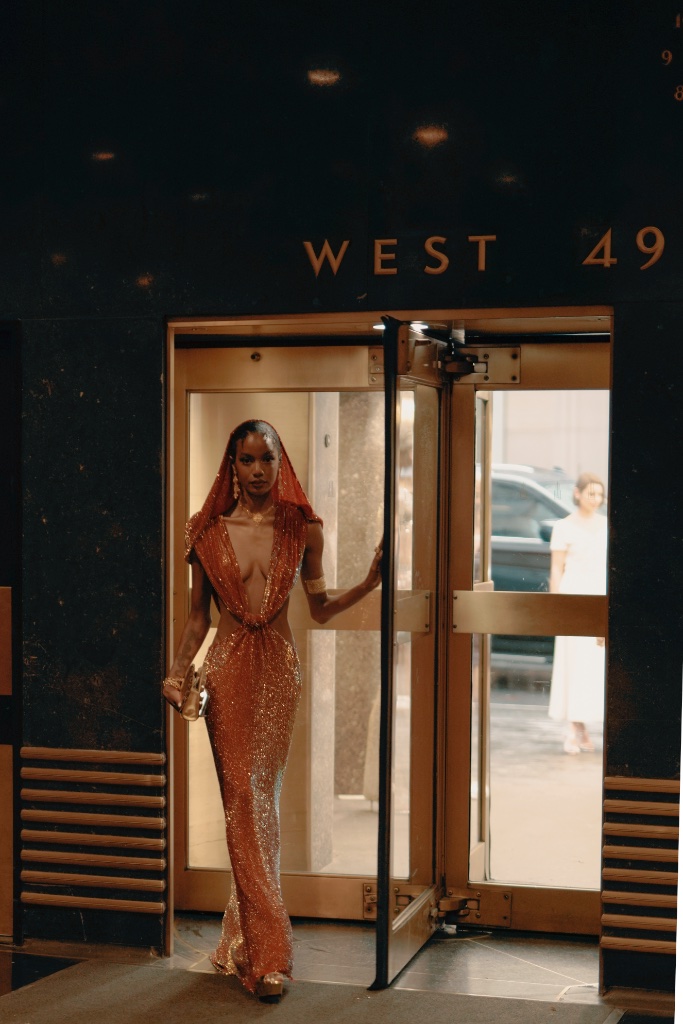
© Kofi Duah
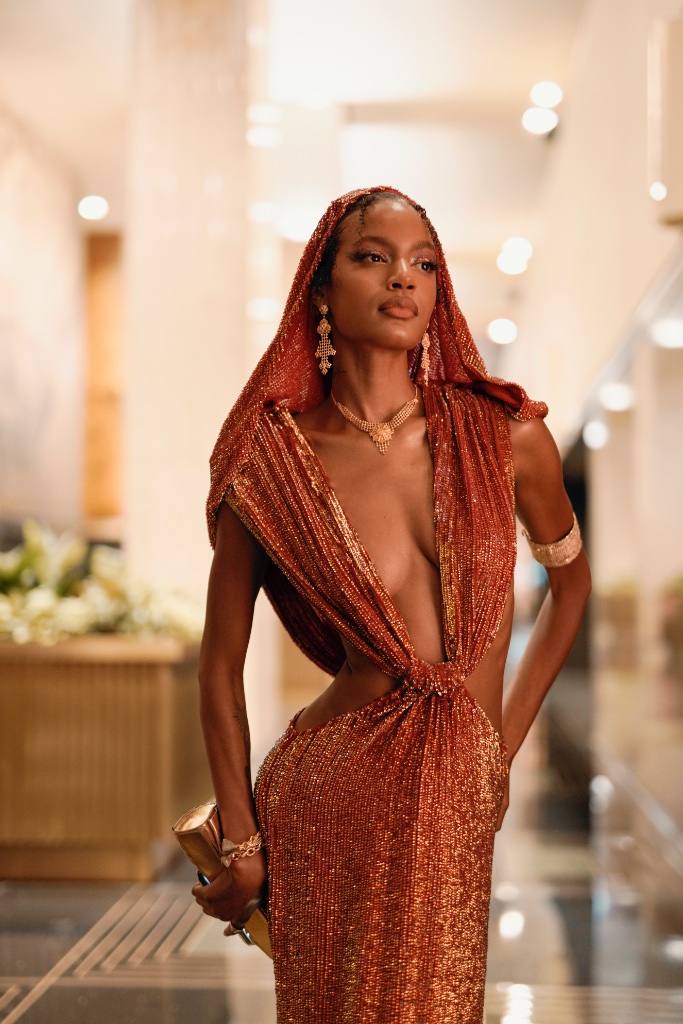
© Kofi Duah
AKUA STUDIOS:
Beyond just "being seen", what does meaningful representation look like to you in practice?
KOFI:
Meaningful representation is structural and sustainable. It looks like:
· Creative Freedom: I am commissioned to shoot a fashion story about "Quietude" or "Afrofuturism," not just "The Black Experience." It's the freedom to be boring, experimental, abstract, or universal, just as my white counterparts are.
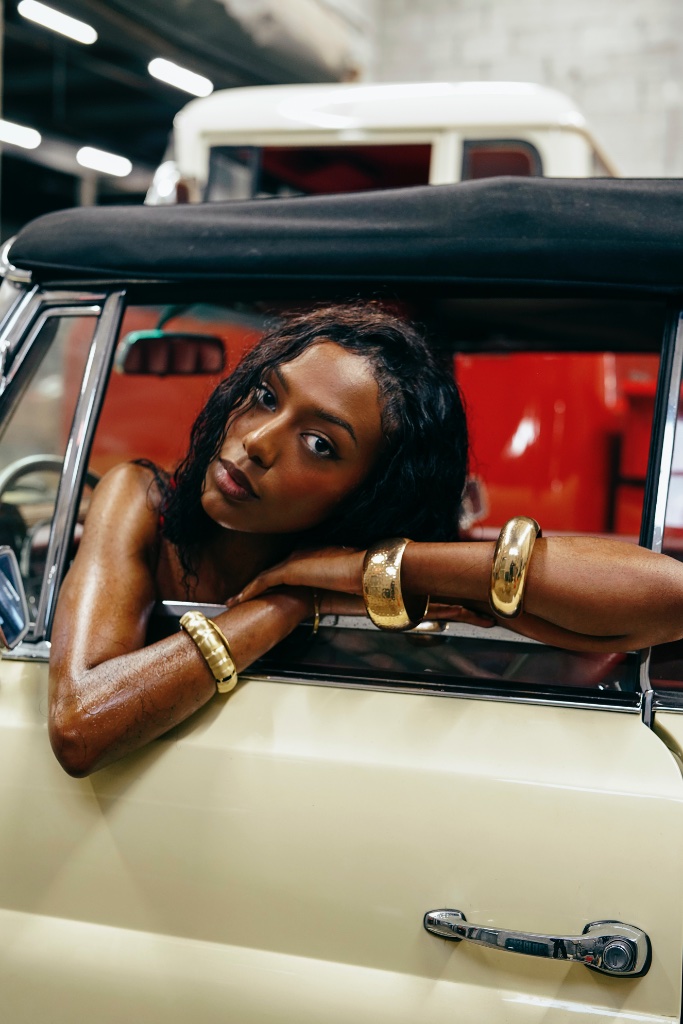
· Decision-Making Power: It means having Black curators, editors, gallerists, and funding bodies who control budgets, shape narratives, and greenlight projects. It's about who gets to define what is "good" or "important" art.
· Economic Investment: It's being paid equitably for my work and having my art collected by major institutions at the same value as my peers. It's grants and residencies that don't just fund "diversity projects" but fund Black artists to pursue their wildest ambitions, whatever they may be.
In practice, it's a creative ecosystem where my existence isn't the subject of the work, but the perspective from which I create is valued as a critical part of the cultural fabric.
© Kofi Duah
"In five years, I want to see the industry move from diversity as a PR initiative to equity as an infrastructure."
© Kofi Duah
AKUA STUDIOS:
How would you wish to see the creative industries evolve in the next 5 years? What would need to change structurally?
KOFI:
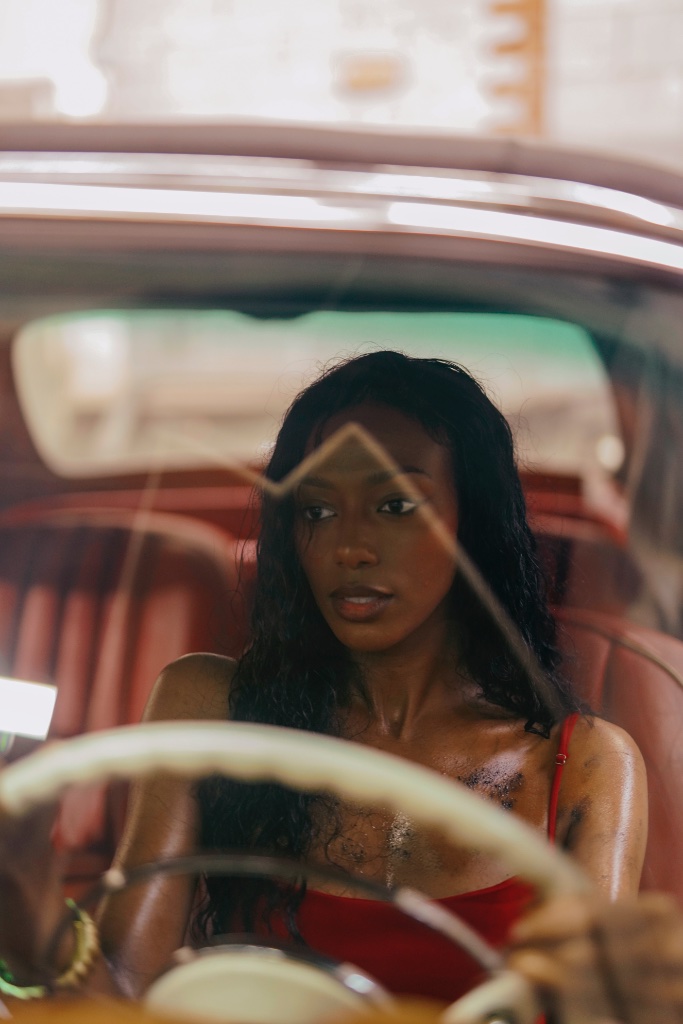
In five years, I want to see the industry move from diversity as a PR initiative to equity as an infrastructure.
Structurally, this requires:
1. Democratizing Curation: Mandate that curation teams and selection panels are diverse at all levels, not just in entry-level roles. This changes what art gets platformed from the root.
2. Transparent Funding & Pricing: Institutions and publishers should adopt transparent pay scales and make their funding application data public to address racial and gender pay gaps.
3. Invest in Black-Led Institutions: Instead of forcing Black art into white cubes that don't know how to contextualize it, major funders and corporate sponsors need to redirect significant resources to support and amplify the Black-led galleries, journals, and collectives that have been doing this work for decades, often with little support.
4. Art History Reformation: Art schools and university curricula must decolonize their reading lists and canon, formally integrating Black and non-Western art theory and history as foundational, not elective.
What to read next
Libreville · Photographer
MOUKADI: ART DOES NOT ALWAYS NEED RATIONAL EXPLANATION
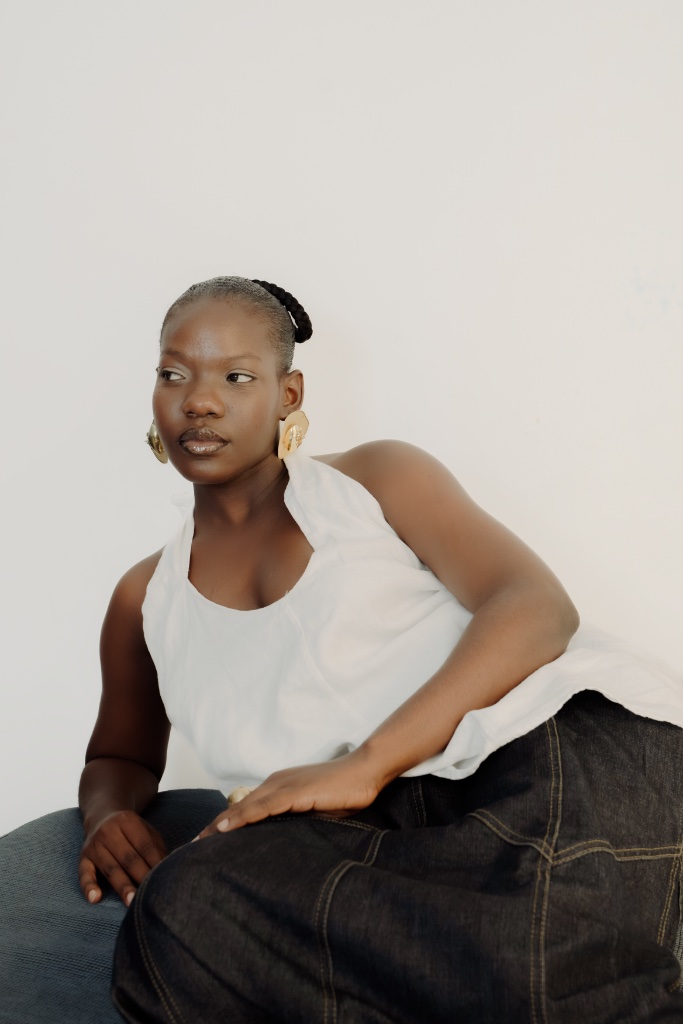
Based in Libreville, Gabonese photographer Moukadi centers her lens on the nuances of Black existence and the human experience. Through her documentary work and her platform WHY NOT AFRICAN, she re-centers the continent's craftsmanship and stories.
London · Visual Artist
LAKIN OGUNBANWO: A MEETING POINT OF IDENTITIES
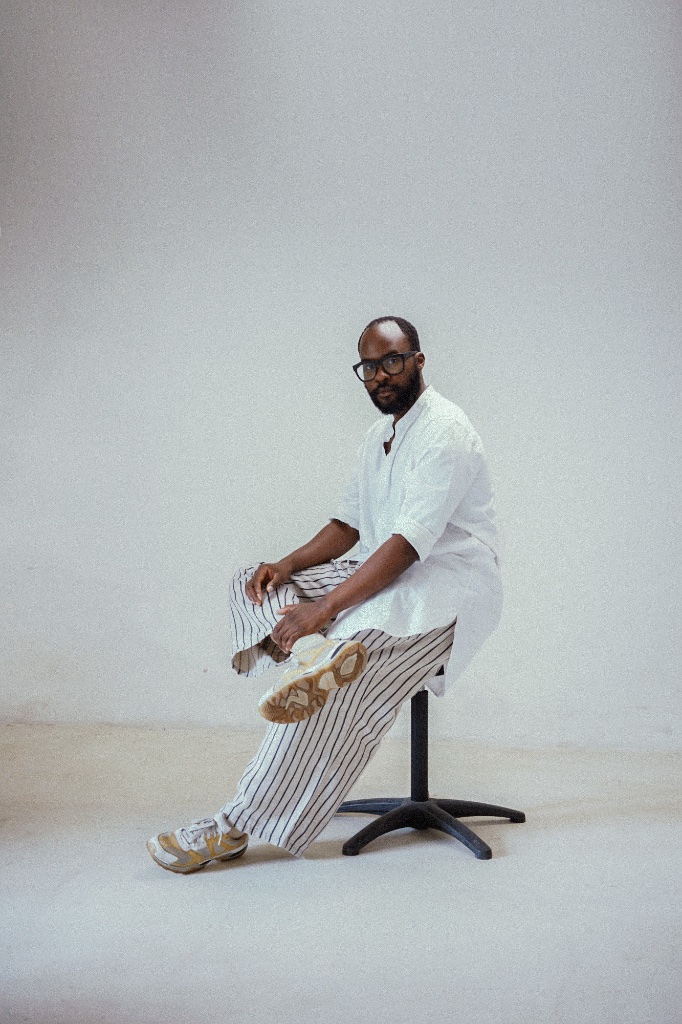
For Lakin Ogunbanwo, the creative process is an act of self-observation. Once known primarily as a photographer, the Nigerian artist is now expanding into collage and writing, refusing to define his practice too neatly. While his work often travels to European markets, Lakin remains firmly rooted in the cultural logic of his home, viewing the Western art world as a marketplace rather than a source of belonging. We spoke with the London-based creative about the power of staying curious, the nuances of Yorubaness, and why true authenticity comes from creating for your own community first, while letting the rest of the world simply bear witness.
Zurich · Creative Producer & Writer
JULIA FIECHTER: THE FASTEST WAY IS TO BE SLOW
For Julia Fiechter, the shift from mainstream entertainment and heteronormative stories to independent, meaningful storytelling has been an act of reclaiming her own narrative. After years of directing and editing television productions, she began to question not only the kinds of stories being told, but also who was being left out of the conversation. Living and working with ADHD has also shaped her creative practice, leading her to embrace a "slow is fast" philosophy. Rather than chasing the relentless pace of the industry, Julia sees slowing down as a way to protect her mental well-being, nurture creativity, and make space for a life beyond the edit suite. Today, the Zurich-based creative producer and writer opens up about access and representation in Swiss film, the barriers that continue to shape the industry, and her vision for building more inclusive, family-friendly working structures.
Los Angeles · Photographer
ARIELLE BOBB-WILLIS ON THE SWEETNESS OF PRESENCE
Arielle Bobb-Willis is a New York-born artist currently based in Los Angeles, using photography as a vessel for healing and a way to remain profoundly present in the world.
Follow us on Instagram to stay updated on all things
AKUA STUDIOS

