Zurich / Photographer
BINTA KOPP ON CREATING WORLDS OF CONNECTION AND COMMUNITY
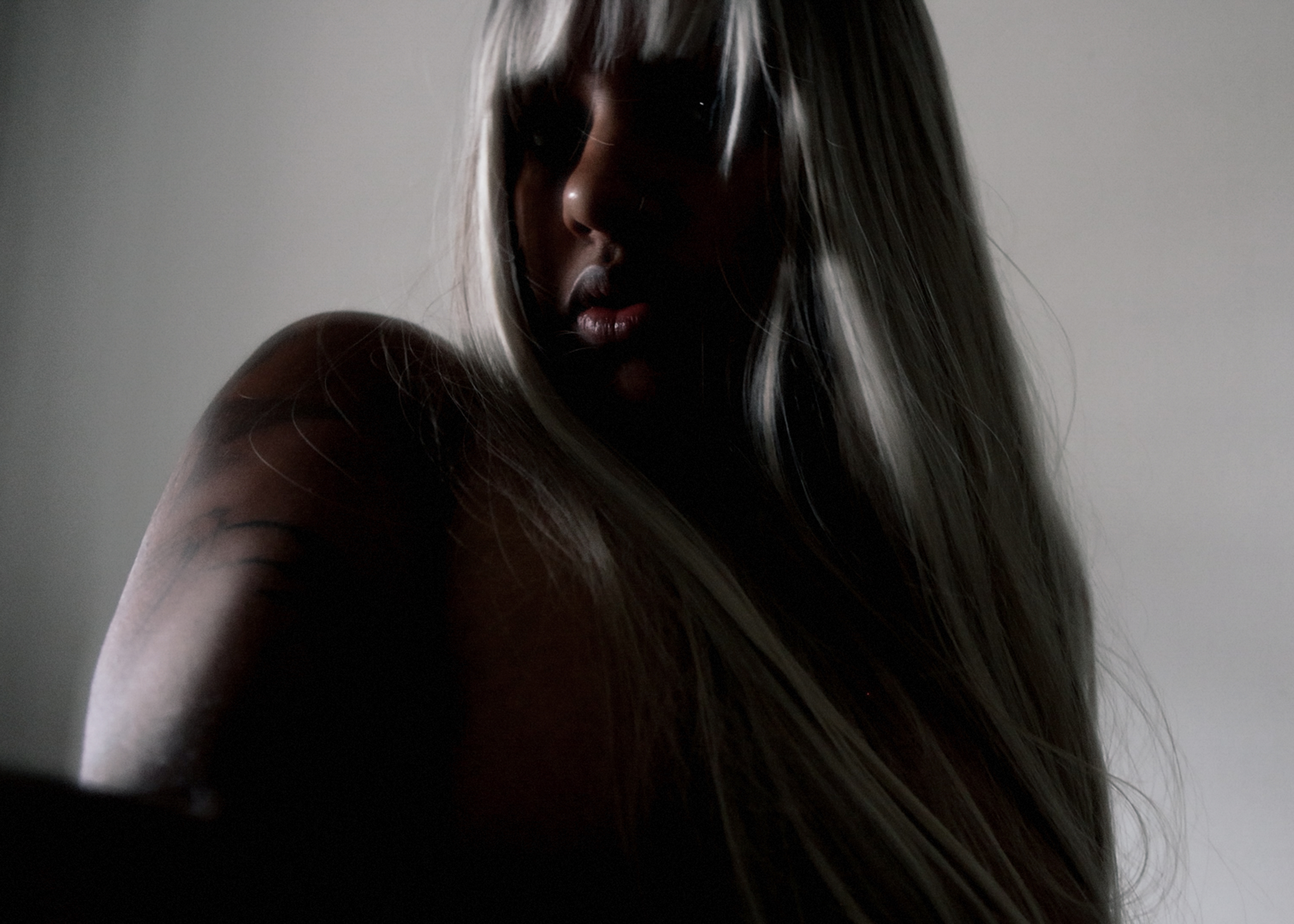
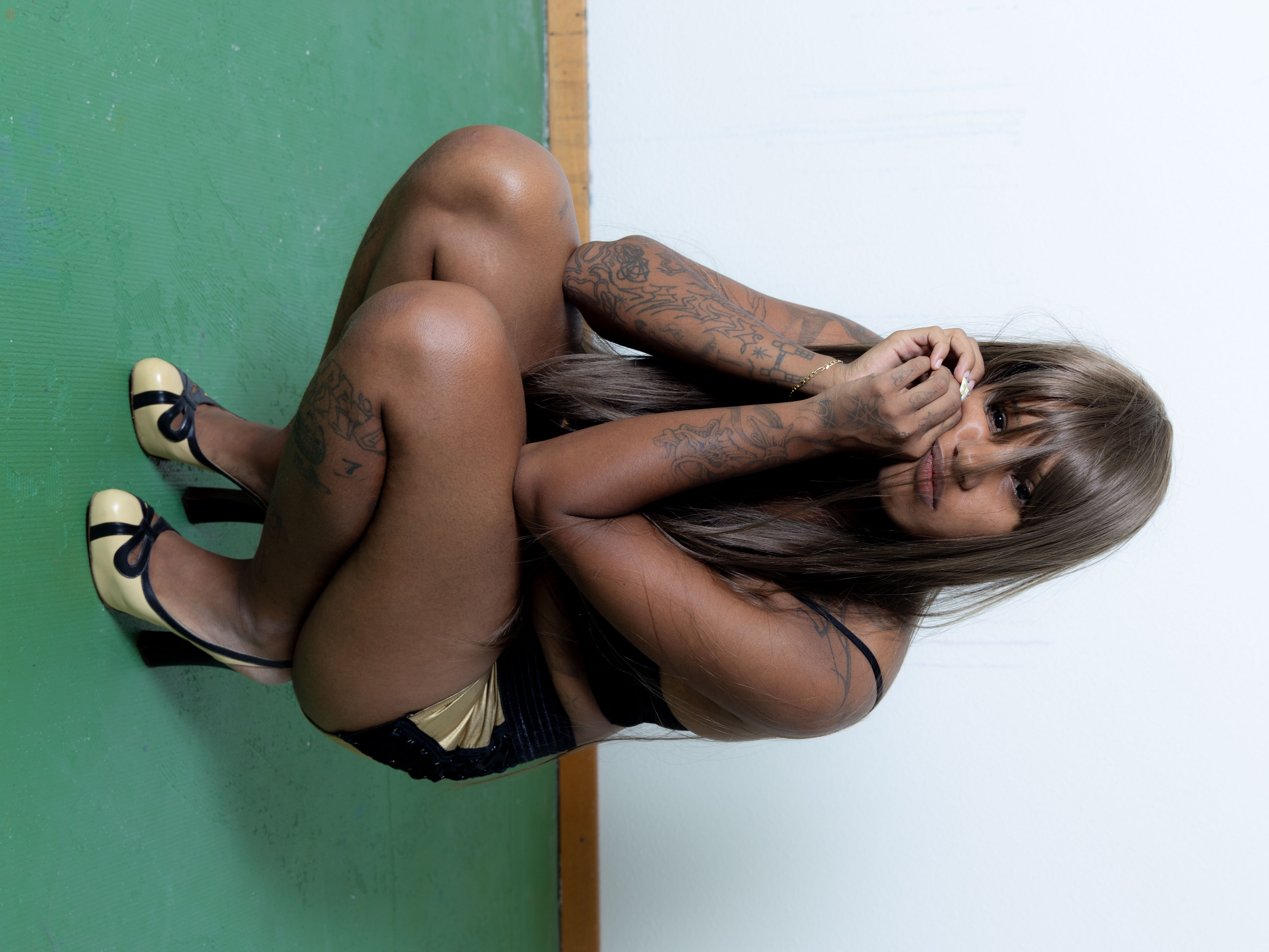
Moving between photography, film and music, the Zurich-based artist Binta Kopp creates intimate worlds shaped by emotion, presence and human connection. Her images do not simply document people—they make space for them to exist on their own terms. With a practice grounded in sensitivity and community, Binta is interested in the moments that feel honest, unguarded and real. In our conversation, she reflects on the power of creating spaces where people feel understood, and imagines a creative landscape that leaves more room for experimentation, collaboration and a wider range of voices.
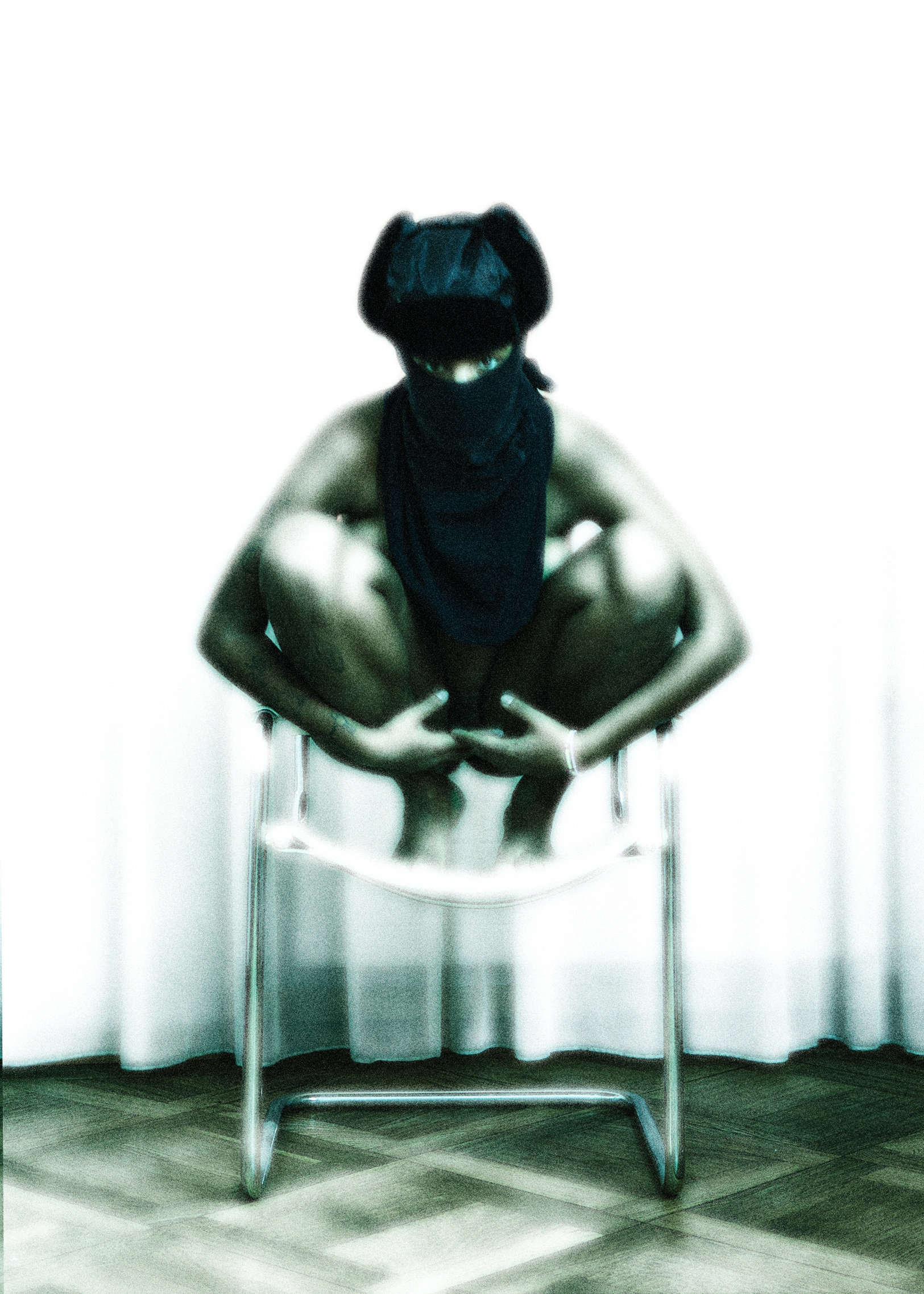
Visibility means more than just being seen. It's about being understood and valued without having to constantly explain yourself.
AKUA STUDIOS:
What do you do and what drives your creative practice?
BINTA:
I'm Binta Kopp, a photographer, artist, and DJ based in Zurich.
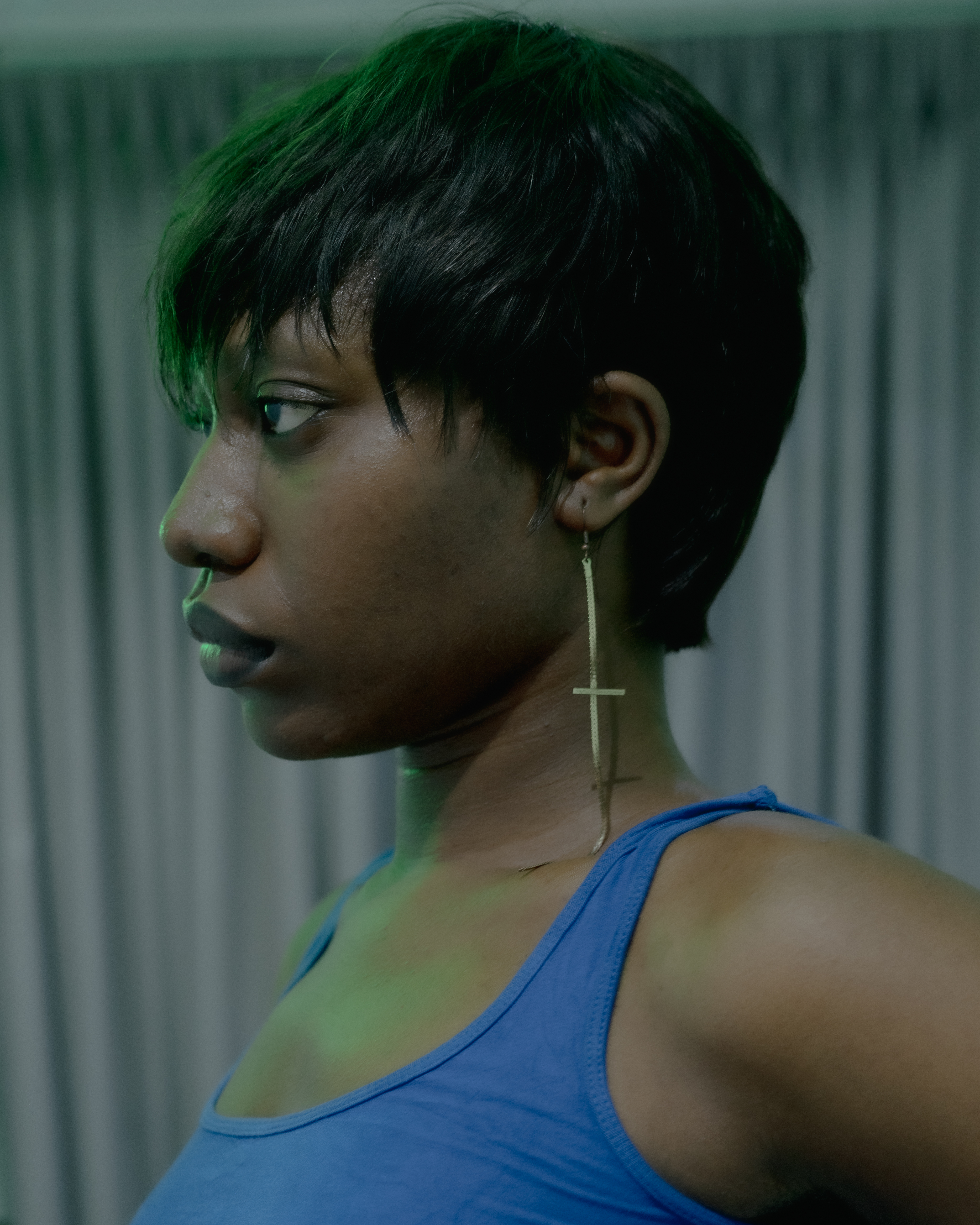
I work across photography, film, and music, often focusing on people- how they feel, how they exist, and how they connect.
My work is about creating spaces where people can be seen and feel like themselves.
© Binta Kopp
AKUA STUDIOS:
What inspired you to become a photographer?
BINTA:
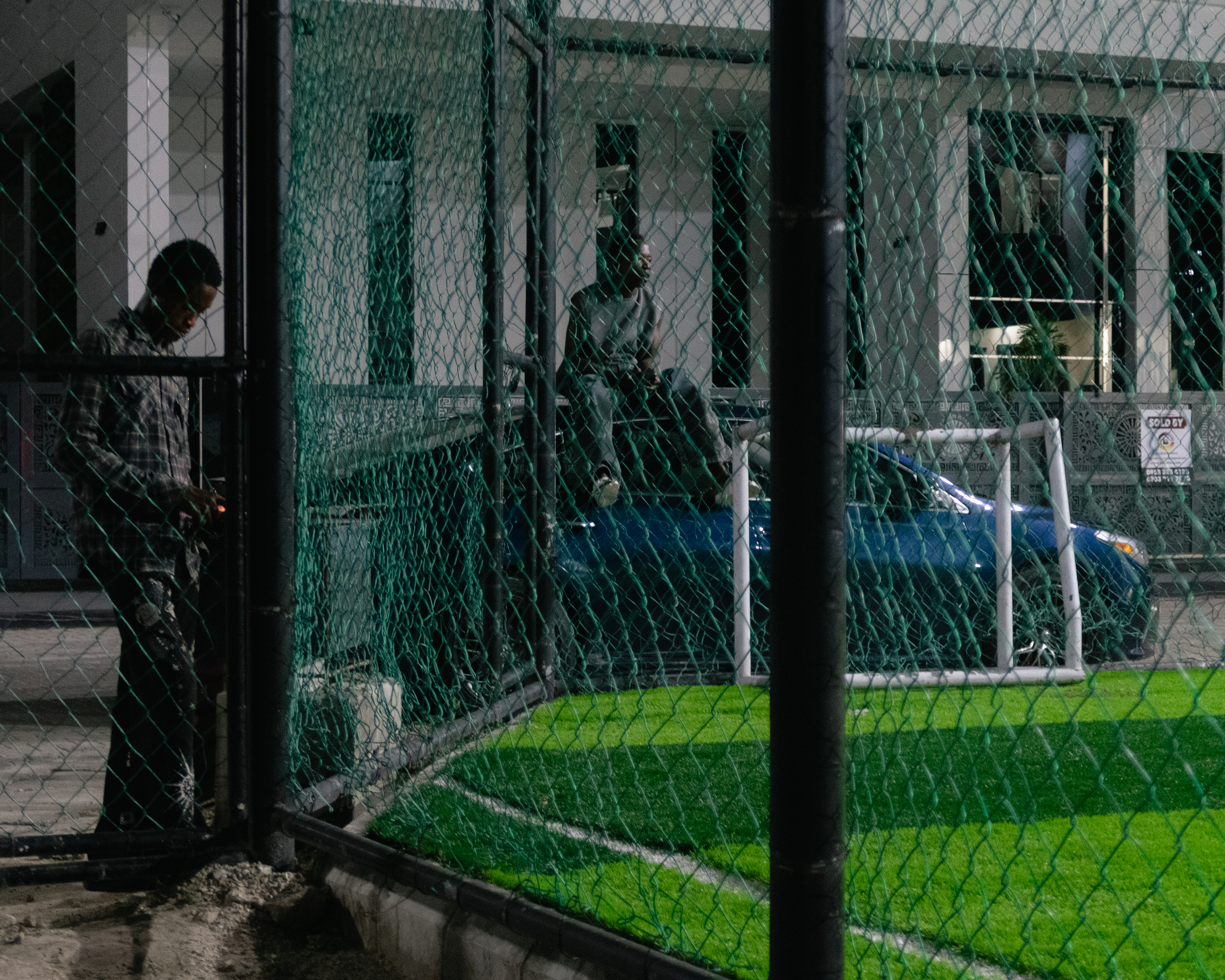
It started with a curiosity about people.
My grandpa was also a photographer, and my mom put me onto it!
Photography became a way for me to hold onto moments and feelings.
© Binta Kopp
AKUA STUDIOS:
What's the most rewarding part of being a photographer?
BINTA:
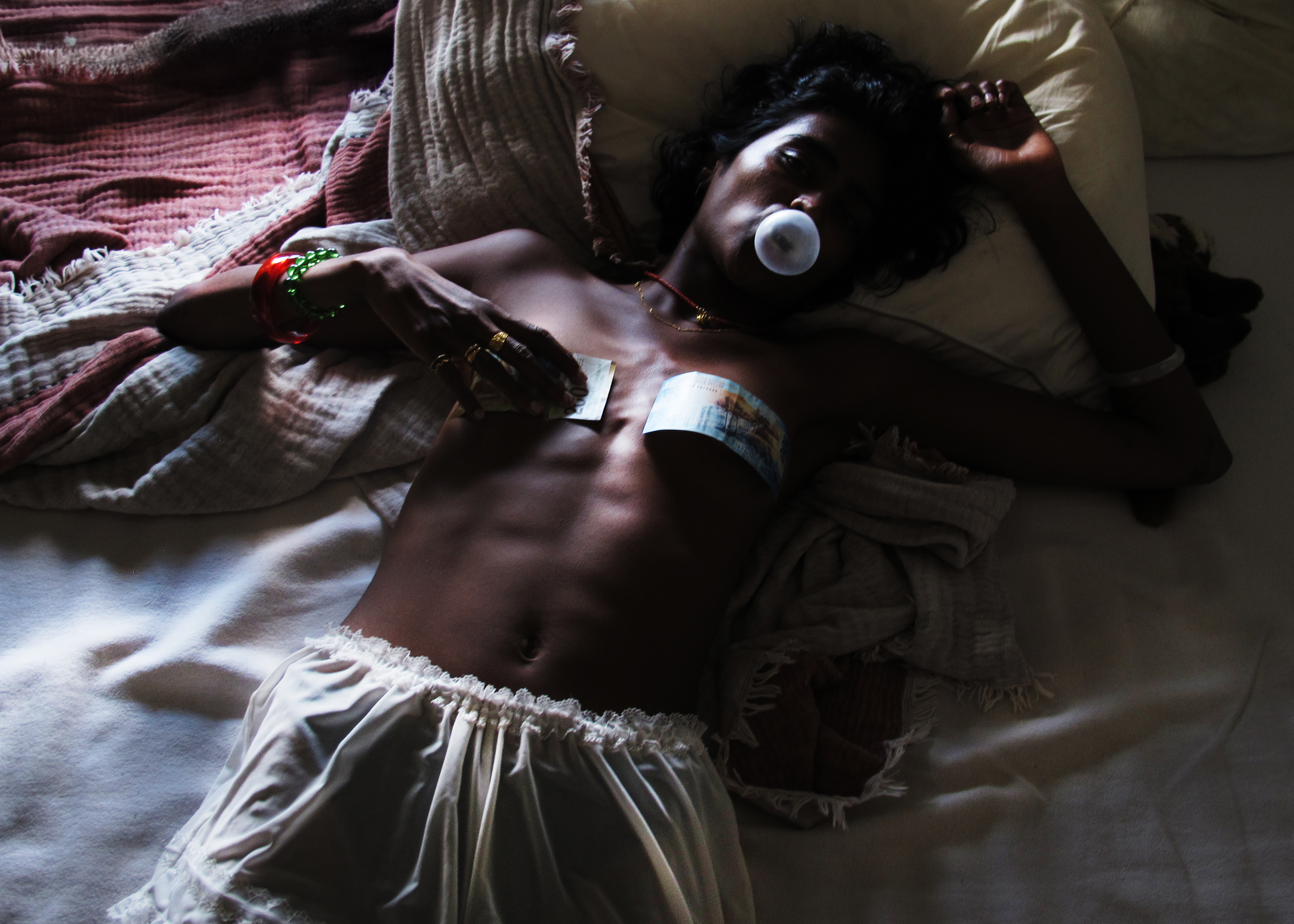
When someone feels seen through my work. When a person looks at an image of themselves and recognizes something honest in it, that's the most meaningful part. Also, building community through my work and creating moments that feel real and intimate.
© Binta Kopp
AKUA STUDIOS:
What does feeling stuck in your creative process look like for you, and how do you move through it?
BINTA:
Feeling stuck for me is when things start to feel forced or disconnected from emotion- when I overthink or try to control too much.
I move through it by stepping away, listening to music, being with people, or just observing.
I try to come back to feeling instead of thinking.
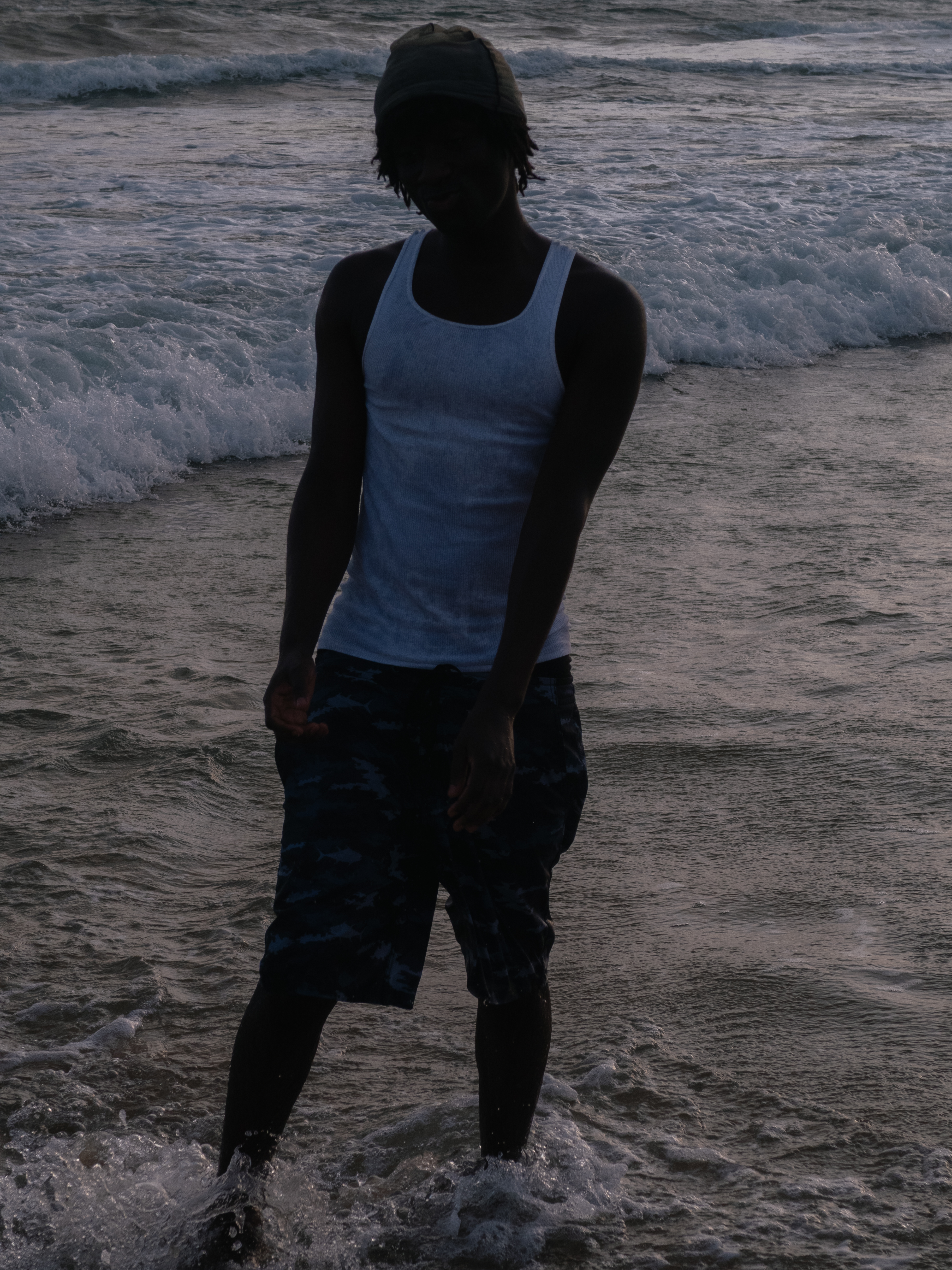
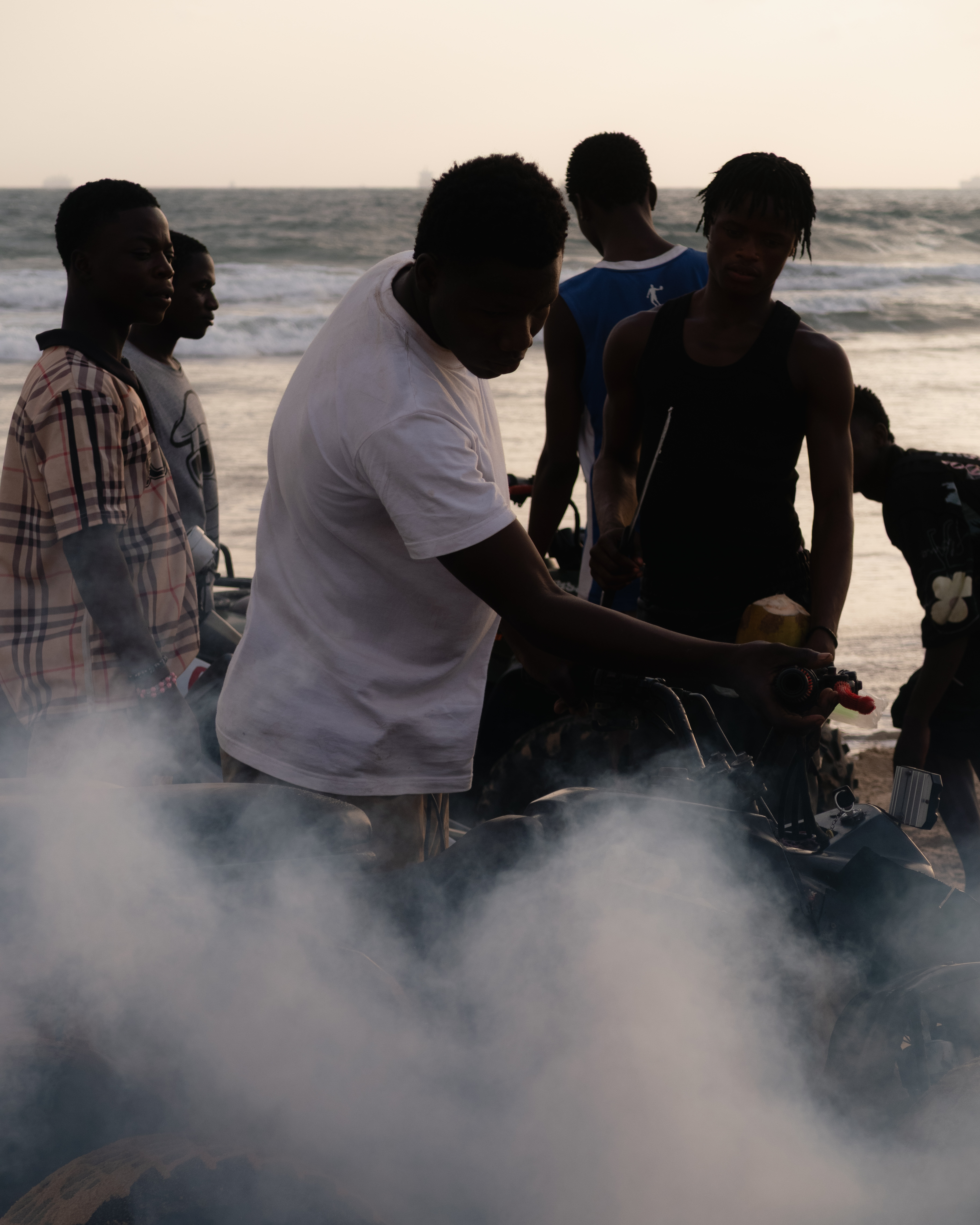
© Binta Kopp
"It's also about creating space for others and making sure different voices and realities are present, not just as exceptions, but as part of the norm."
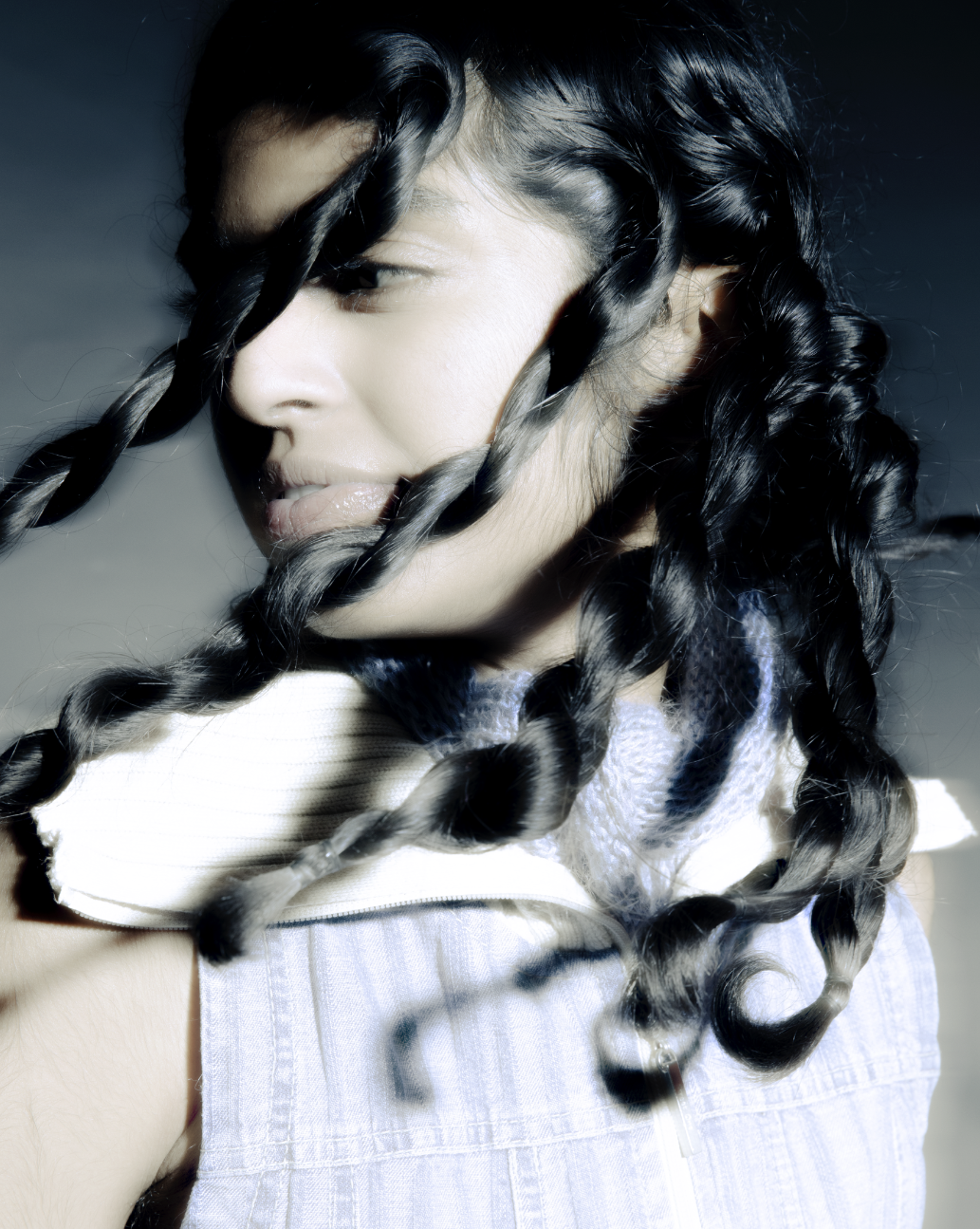
© Binta Kopp
AKUA STUDIOS:
What does visibility mean to you as a Black creative in Europe?
BINTA:
Visibility means more than just being seen. It's about being understood and valued without having to constantly explain yourself.
It's also about creating space for others and making sure different voices and realities are present, not just as exceptions, but as part of the norm.
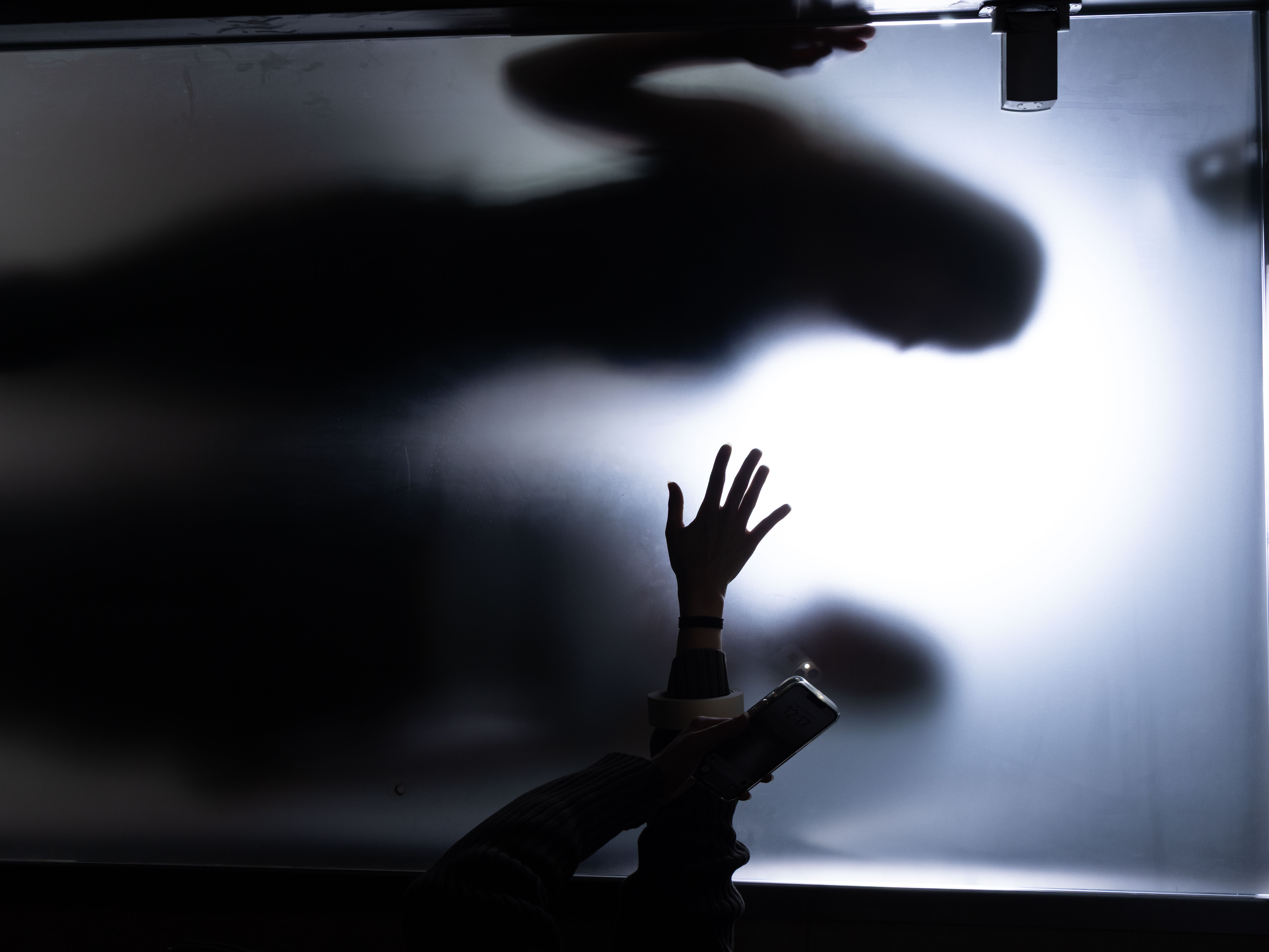
© Binta Kopp
AKUA STUDIOS:
How would you wish to see the creative industries evolve in the next 5 years?
BINTA:
I'd like to see more genuine inclusion, where different voices aren't just invited in, but actually shape the space. More support for young artists, more room for experimentation, and less gatekeeping. More collaboration instead of competition.
© Binta Kopp
What to read next
Zurich · Scenographer
JOCLYNE OHOKA: NO PATIENCE TO WAIT ON INSTITUTIONAL CHANGE
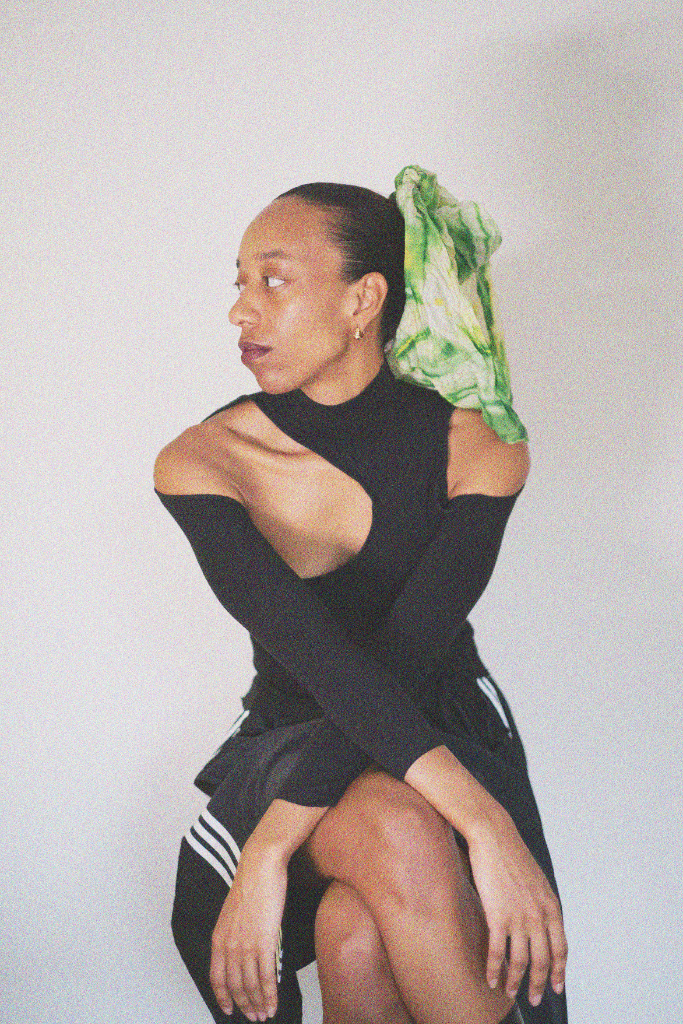
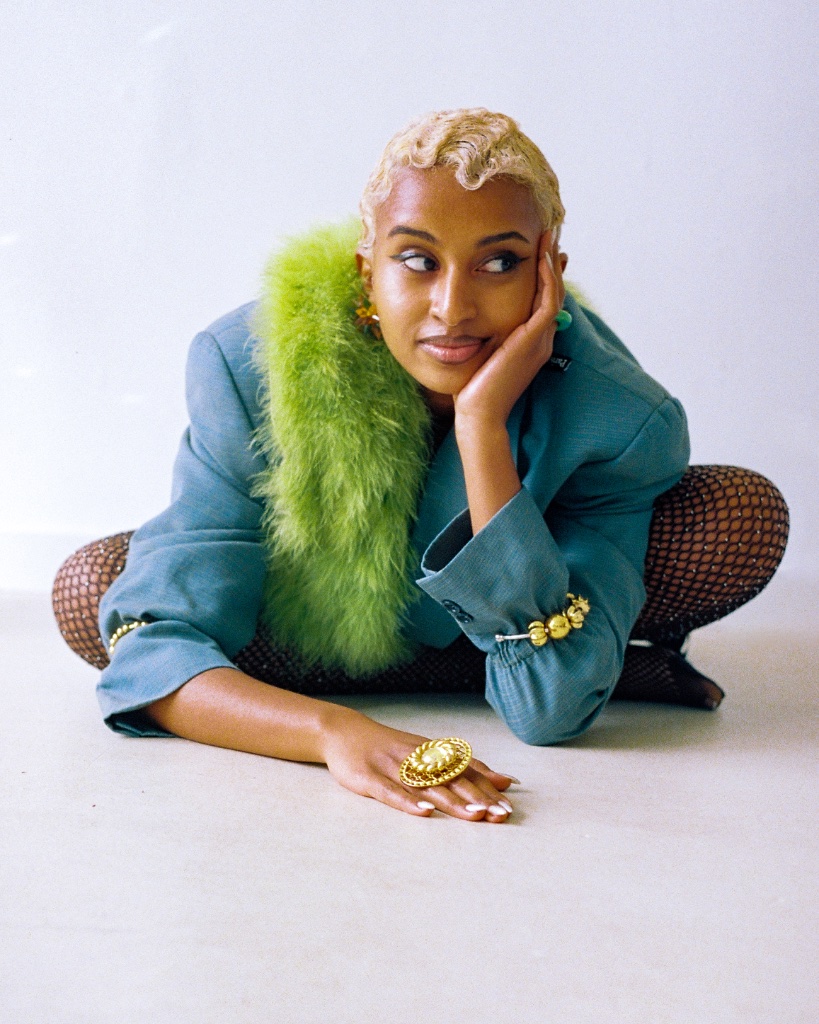
In a landscape where BIPOC creatives often move between the desire for autonomy and the struggle for institutional inclusion, scenographer and curatorial assistant Joslyne Ohoka is tired of waiting for an invitation to the table. Instead, she is focused on the spaces built by fellow creatives like herself. From her work with the BIPOC-centered Kusasa Pop-Up Gallery to supporting the "Blackstammtisch" at Zurich's Migros Museum, Joslyne's practice is centered on the literal reclaiming of space and the rejection of the hollow promises of diversity. She opens up about tokenism, the beauty of building creative spaces from within, and why waiting for institutions to act is no longer an option.
Zurich · Photographer
EGUONO EDJERE ON RECLAIMING HUMAN COMPLEXITY THROUGH THE ANALOG LENS
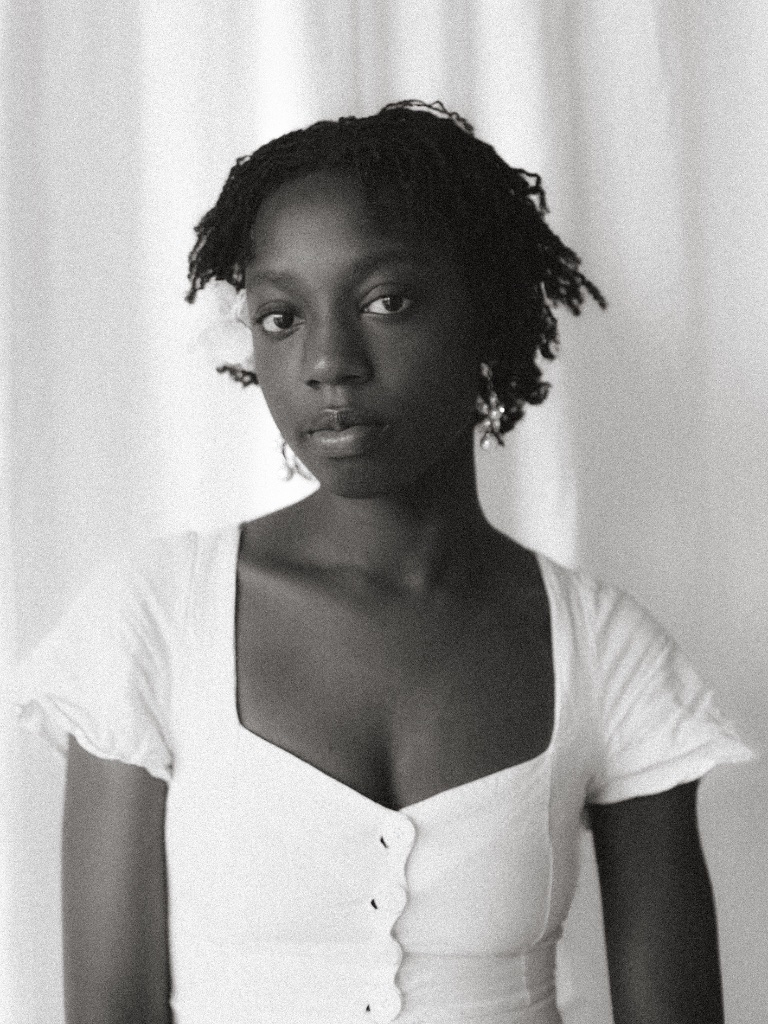
For Eguono Edjere, creativity is less about arriving somewhere and more about returning to herself. Through a steady process of unlearning societal conditioning, the Zurich-based visual artist and aspiring director uses analog photography and film to explore the complexities of human connection. The visual artist views the camera as a tool to mimic life and capture beauty, yet she remains acutely aware of the barriers that persist behind the lens, where trust in Black women leaders is still a rare currency. Eguono opens up about the necessity of being seen as a complex human being, the superficiality of the Swiss creative industry, and her vision for a future where authentic art is nurtured through community and structural access.
Amsterdam · Creative Producer
RAKEB ACCAL: SHAPING SPACES WHERE WELLNESS AND CULTURE MEET
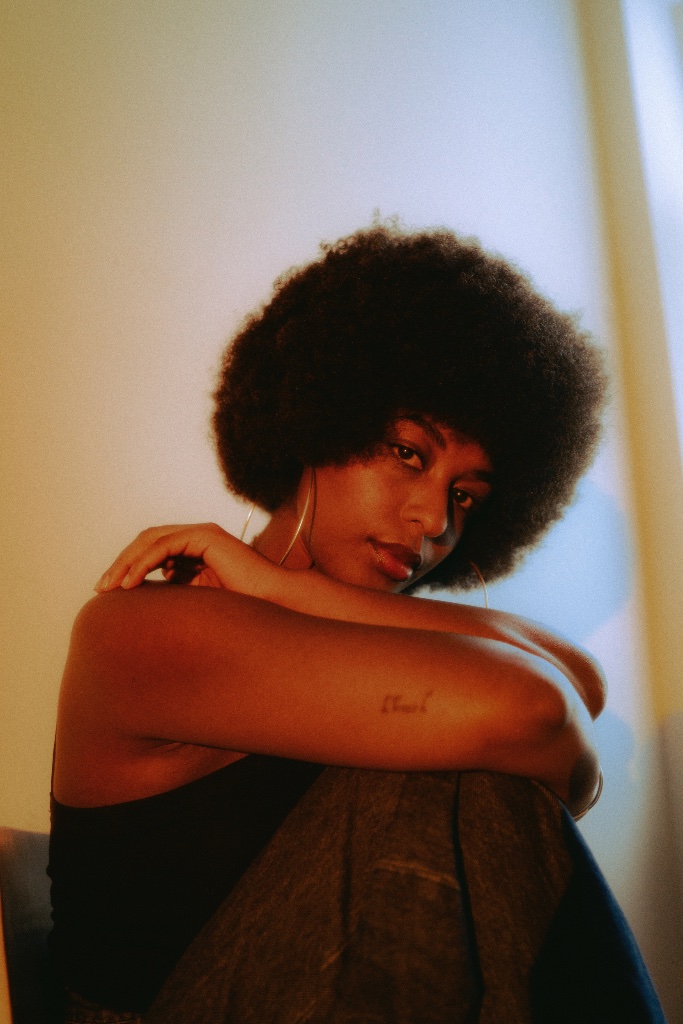
Moving between the worlds of artistic expression and collective care, creative producer Rakeb Accal is shaping spaces where wellness and culture intersect, especially for women of color. Rakeb prioritizes the rituals, the stillness, and the deep connections that make projects feel alive over the final output. She advocates for a new industry standard: one that prioritizes human connection and cultural integrity over mere productivity. Here, Rakeb opens up about true visibility- one that shows up with softness, complexity, and life in its own rhythm.
Berlin · Photographer
MEKLIT FEKADU: BEYOND THE WHITE GAZE
Based in Berlin, fashion and portrait photographer Meklit Fekadu uses her lens to process her own reality and challenge the underrepresentation of Black identities in European creative spaces. Moving between her personal practice and the male-dominated commercial world, she navigates the line between visibility and tokenism through technical expertise and unwavering confidence. For Meklit, meaningful representation is not a trend - it is about structural access and the power to tell Black stories from our own perspectives. Meklit speaks about standing her ground in her craft, moving beyond Western aesthetics, and envisioning a future of photography built as much behind the camera as in front of it.
Follow us on Instagram to stay updated on all things
AKUA STUDIOS

