Berlin / Photographer
MEKLIT FEKADU: BEYOND THE WHITE GAZE
Based in Berlin, fashion and portrait photographer Meklit Fekadu uses her lens to process her own reality and challenge the underrepresentation of Black identities in European creative spaces. Moving between her personal practice and the male-dominated commercial world, she navigates the line between visibility and tokenism through technical expertise and unwavering confidence. For Meklit, meaningful representation is not a trend - it is about structural access and the power to tell Black stories from our own perspectives. Meklit speaks about standing her ground in her craft, moving beyond Western aesthetics, and envisioning a future of photography built as much behind the camera as in front of it.
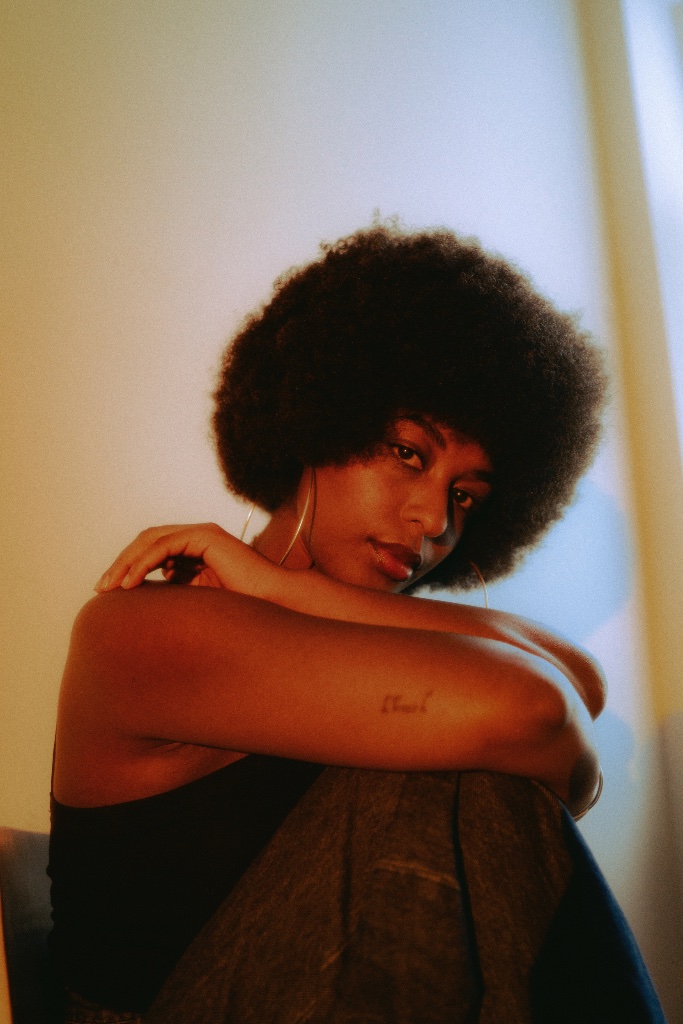
"Each photo carries a part of my perspective and therefore expresses identities that are often underrepresented in European creative contexts."
AKUA STUDIOS:
What drives your creative practice?
MEKLIT:
I am a fashion and portrait photographer based in Berlin. My creative practice is driven by my roots, my lived experiences, and the music that surrounds my life. All of these elements shape how I see the world and how I translate that into imagery.
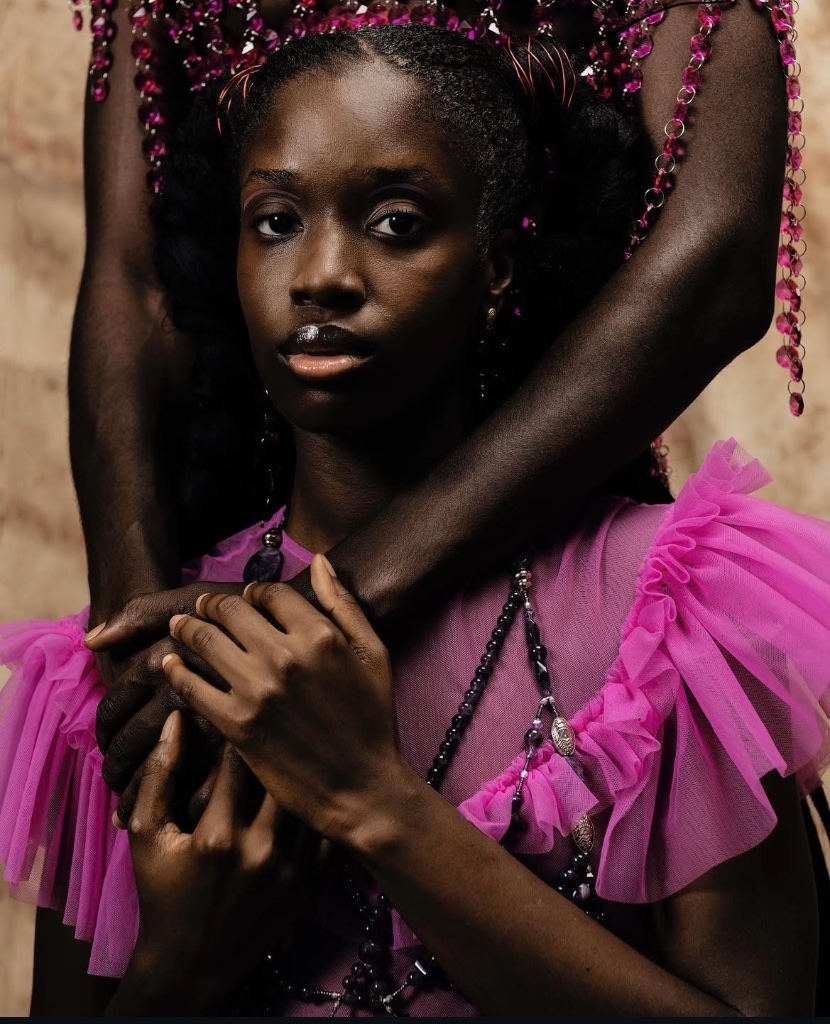
© Meklit Fekadu
AKUA STUDIOS:
We all hold multiple identities. Can you share a moment when your work powerfully expressed one or more aspects of your identity – particularly those that feel underrepresented in European creative spaces?
MEKLIT:
Honestly, almost all of my work does that. I started photography as a way to process my own reality. When I began sharing my images on social media, they resonated especially deeply with Black people and people of color. Because of that, I would say that every piece of work reflects aspects of my identity. Each photo carries a part of my perspective and therefore expresses identities that are often underrepresented in European creative contexts.
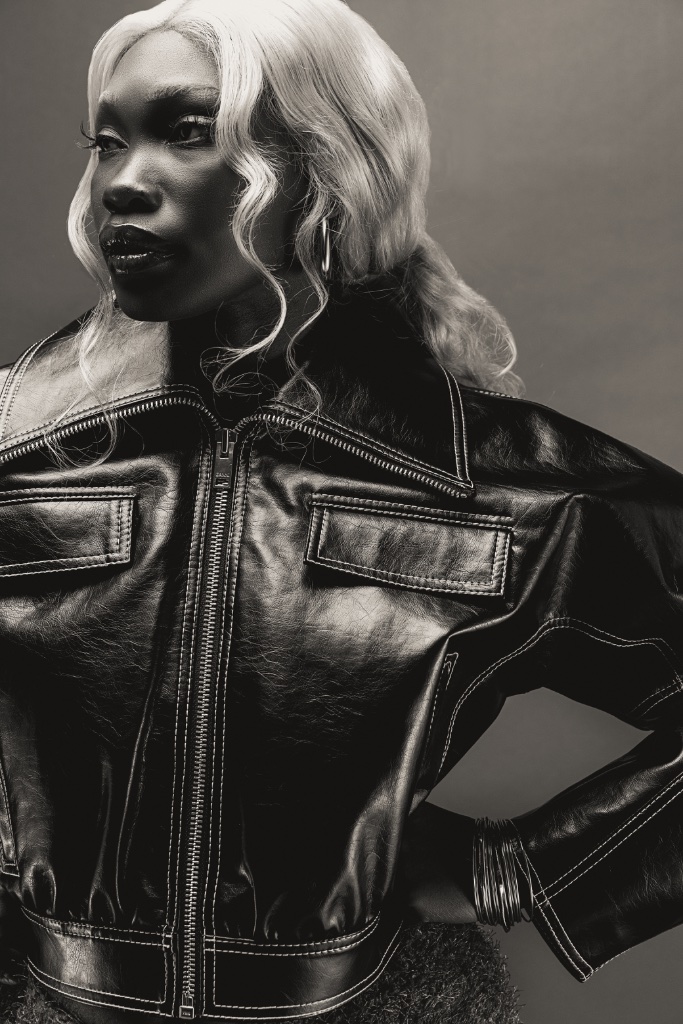
© Meklit Fekadu
AKUA STUDIOS:
When navigating creative spaces in Europe, what barriers have you encountered? How do you maintain authenticity despite these?
MEKLIT:
I also work heavily in commercial environments, which are still very male-dominated and predominantly white. The biggest barrier has been being taken seriously — first as a woman, and then again as a Black woman. What helped me was building strong knowledge in my field and gaining enough experience to stand confidently in my craft. When I'm grounded in what I know and what I can do, it becomes much harder for external doubts to shake me.
AKUA STUDIOS:
Visibility vs. Tokenism — where do you draw the line? Can you share an experience that illustrates this distinction?
MEKLIT:
This is a topic I still think about often. The line is very thin. I felt it most strongly in 2020, during the height of the BLM movement after George Floyd's murder. I was just starting my career, and suddenly commercial clients approached me with long speeches about how important diversity was to them. I found myself wondering whether they were reaching out because of my skills or because I fit a diversity quota that made the company look good. It was a difficult space to navigate, and in some ways, it still is.
"The biggest barrier has been being taken seriously — first as a woman, and then again as a Black woman."

AKUA STUDIOS:
Beyond just "being seen," what does meaningful representation look like to you as a Black creative in Europe?
MEKLIT:
For me, it means access. Real access. It means trust, being given the benefit of the doubt, and having my ideas taken just as seriously as those of others. It's about being included not only visually, but structurally.
"In the next five years, I'd love to see Black people and people of color not only in front of the camera but also behind it. With real access, real decision-making power, and diverse teams across all levels."
AKUA STUDIOS:
How would you wish to see the creative industries evolve in the next 5 years? What would need to change structurally?
MEKLIT:
In the next five years, I'd love to see Black people and people of color not only in front of the camera but also behind it. With real access, real decision-making power, and diverse teams across all levels. I want Black stories to be told from our own perspectives, not through a white gaze. And I wish for global creative possibilities to expand beyond Western ideas of beauty and aesthetics.
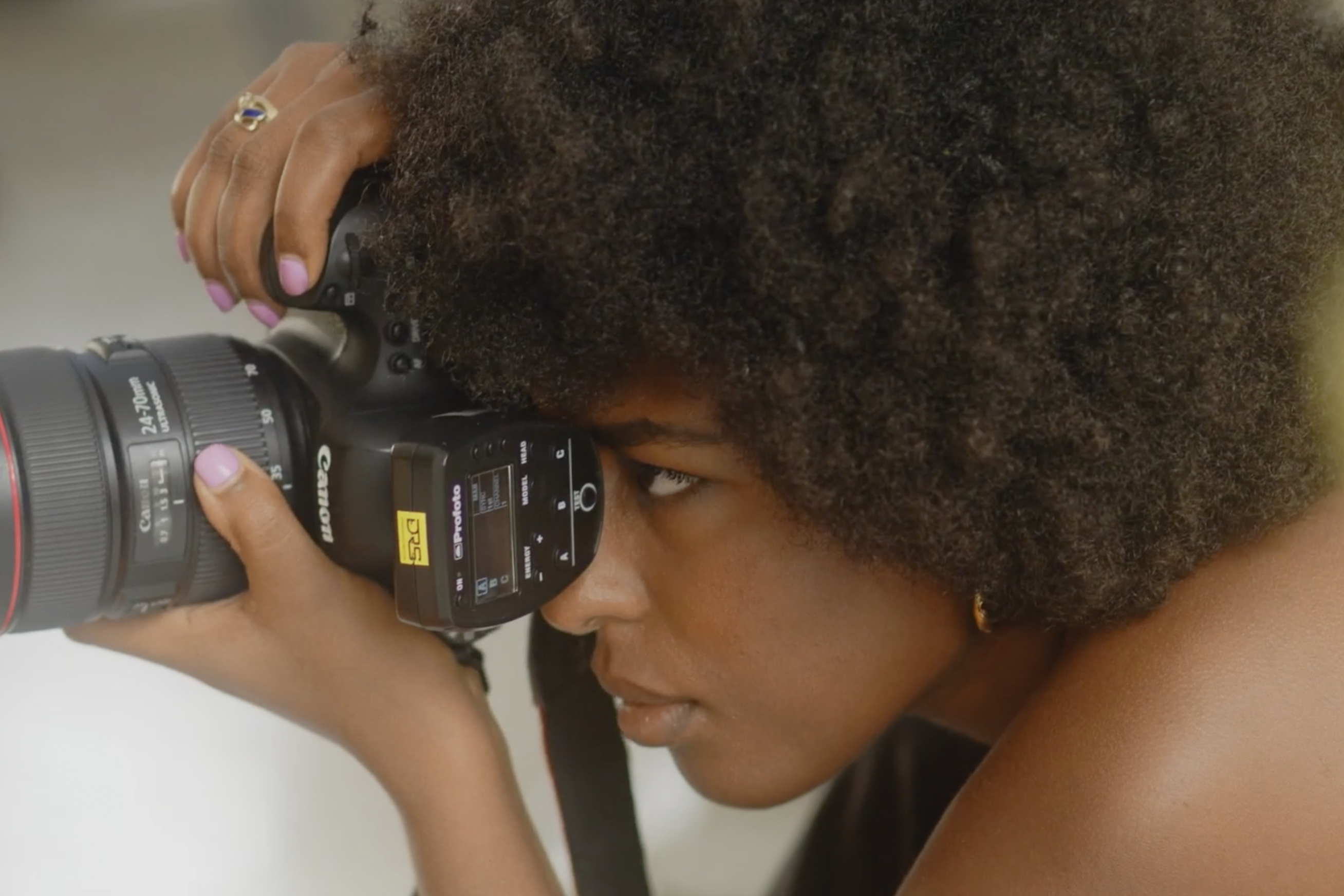
© Meklit Fekadu
What to read next
Amsterdam · Typographer
KEVIN ROOI: ON THE PURPOSE OF BEING TRULY UNDERSTOOD
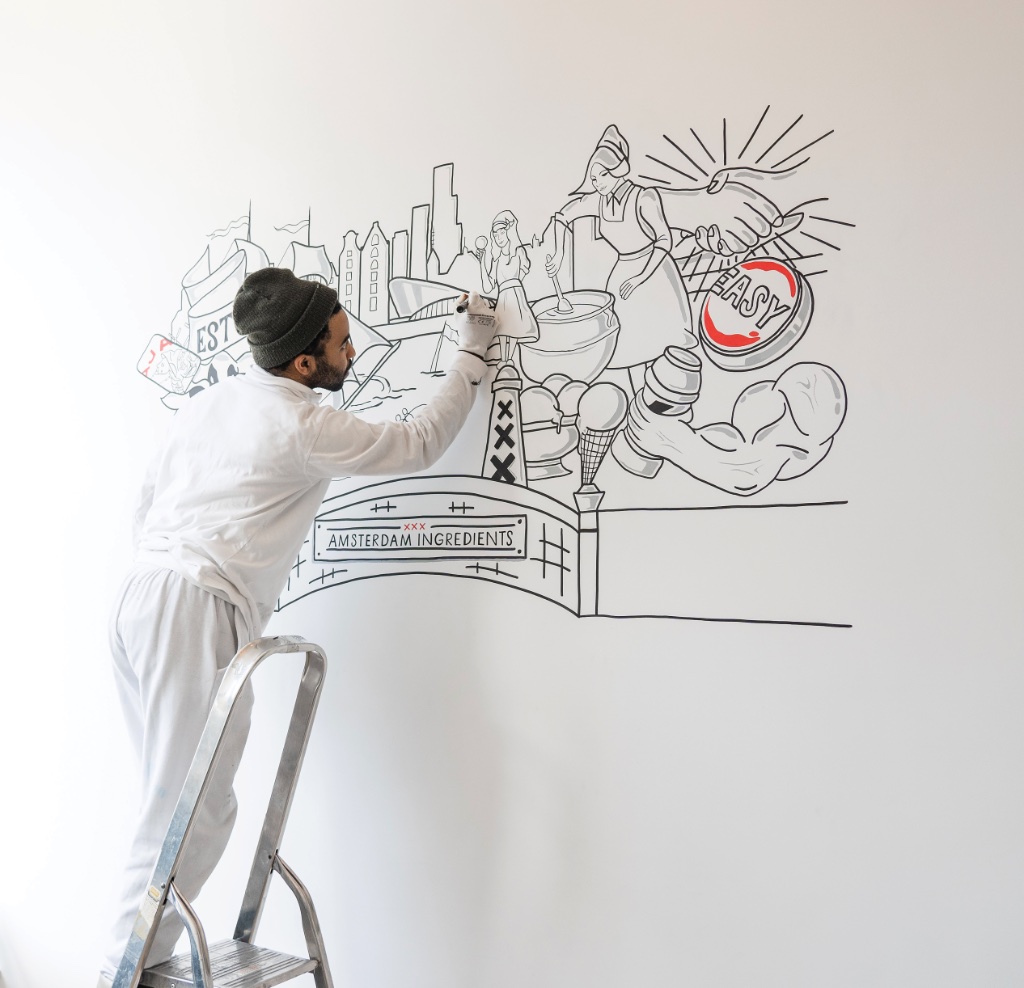
Typographer, lettering artist and graphic designer Kevin Rooi uses visual language to bridge the gap between communication and understanding. His practice is rooted in the belief that type can create shared value- but true representation requires more than just being seen. Kevin advocates for a future where Black talent is structurally supported, not just appreciated. We discuss the power of typography, the necessity of guidance, and his vision for an industry that actively invests in collective growth.
Zurich · Photographer
BINTA KOPP ON CREATING WORLDS OF CONNECTION AND COMMUNITY
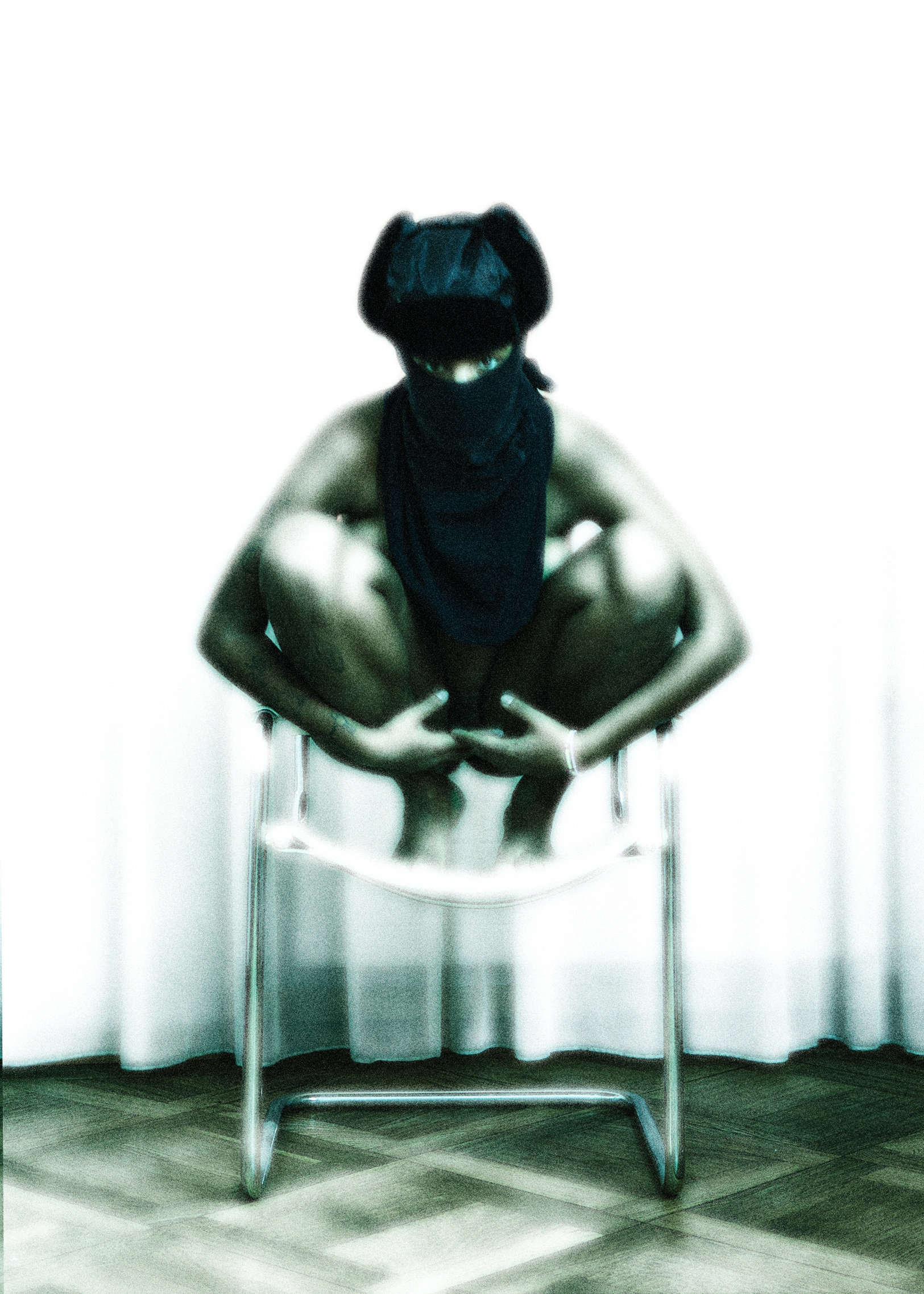
Moving between photography, film and music, the Zurich-based artist Binta Kopp creates intimate worlds shaped by emotion, presence and human connection. Her images do not simply document people—they make space for them to exist on their own terms. With a practice grounded in sensitivity and community, Binta is interested in the moments that feel honest, unguarded and real. In our conversation, she reflects on the power of creating spaces where people feel understood, and imagines a creative landscape that leaves more room for experimentation, collaboration and a wider range of voices.
Amsterdam · Stylist
Nelson van Pelt
Visual design and brand identity expert
Zurich · Photographer
EGUONO EDJERE ON RECLAIMING HUMAN COMPLEXITY THROUGH THE ANALOG LENS
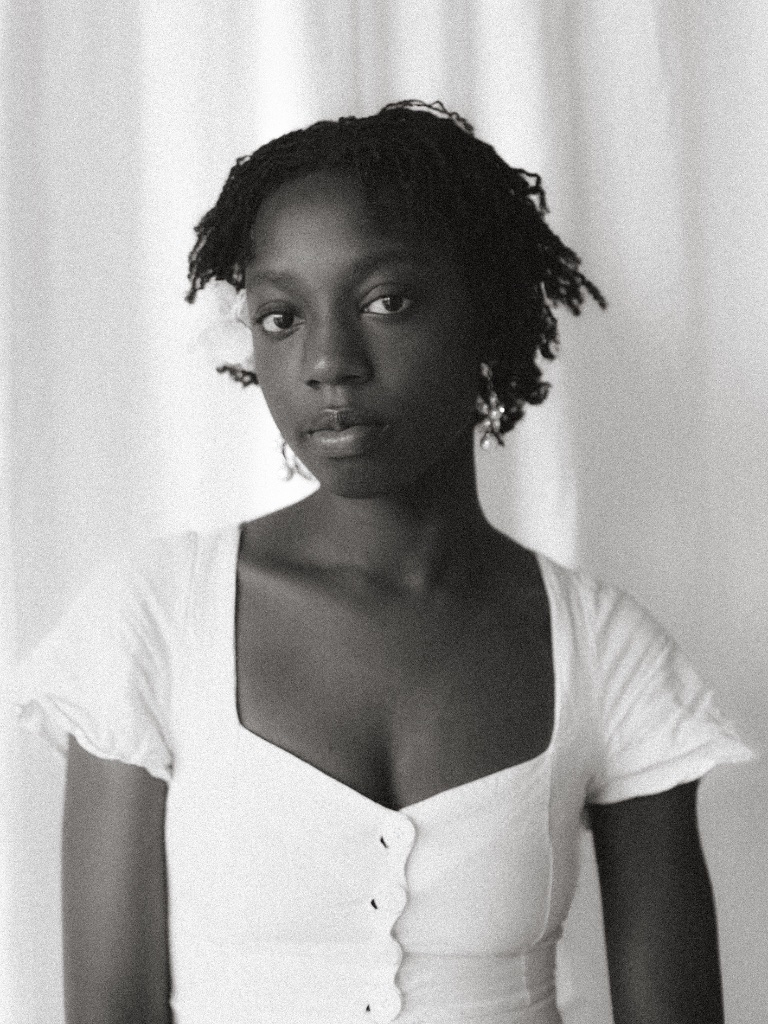
For Eguono Edjere, creativity is less about arriving somewhere and more about returning to herself. Through a steady process of unlearning societal conditioning, the Zurich-based visual artist and aspiring director uses analog photography and film to explore the complexities of human connection. The visual artist views the camera as a tool to mimic life and capture beauty, yet she remains acutely aware of the barriers that persist behind the lens, where trust in Black women leaders is still a rare currency. Eguono opens up about the necessity of being seen as a complex human being, the superficiality of the Swiss creative industry, and her vision for a future where authentic art is nurtured through community and structural access.
Follow us on Instagram to stay updated on all things
AKUA STUDIOS

