Zurich / Writer and Director
DJIBRIL VUILLE ON THE ROLE OF FICTION IN A WORLD THAT INCREASINGLY FEELS STRANGER THAN ANY STORY HE COULD INVENT
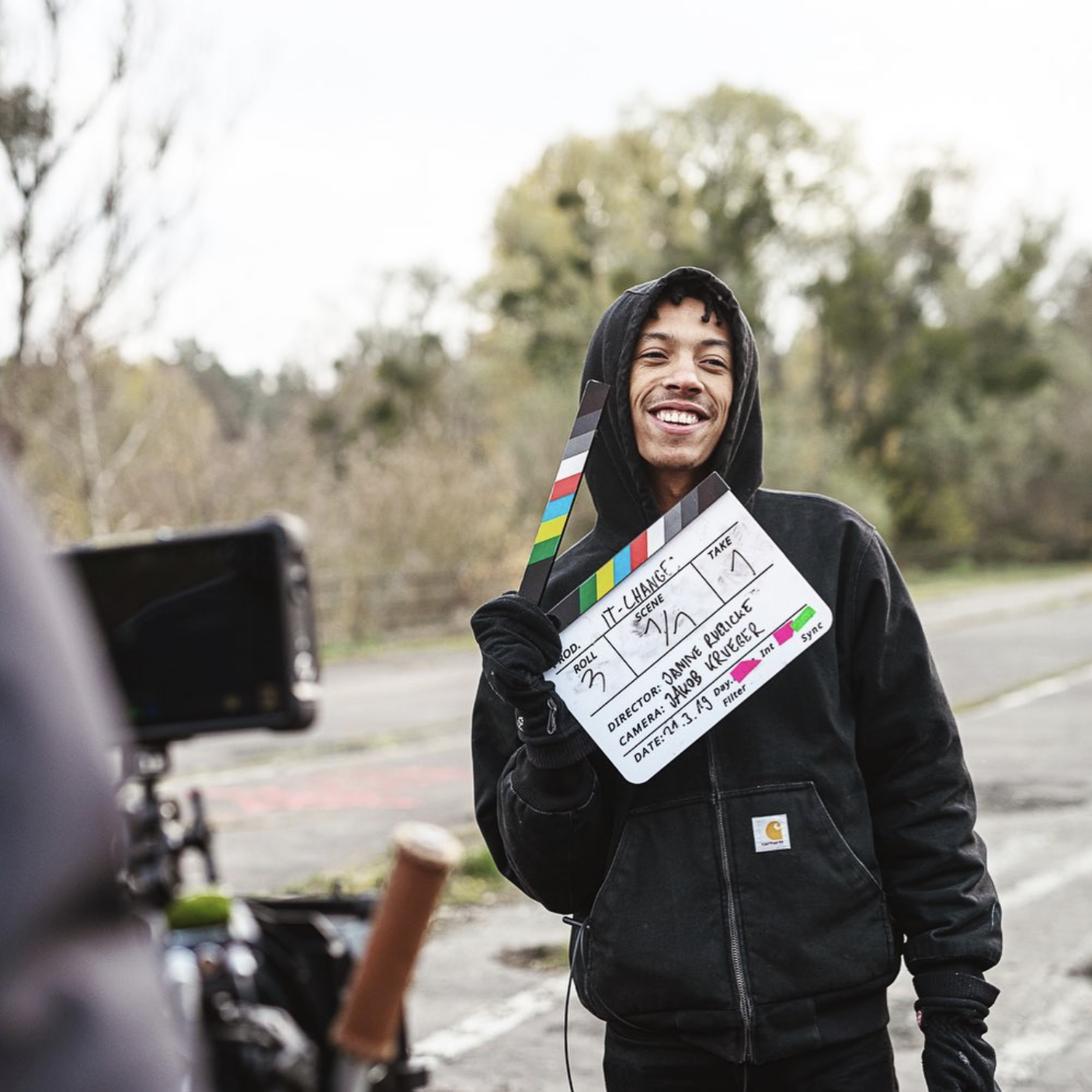
For Djibril Vuille, fiction is far more than mere escapism. It is a vital tool for rewriting the "B-plots" of a reality that often feels stranger than fiction itself. The Bern-based director and writer sees the screen as a space to confront the tragedies of our time, believing that a happy ending can only be earned by first facing the truth. In our conversation, he reflects on culture, representation, and the need for nuanced storytelling in a world shaped by quota-driven diversity. For Vuille, culture is not a carefully constructed concept, but something lived every day in the streets by the very people whose stories he seeks to tell.
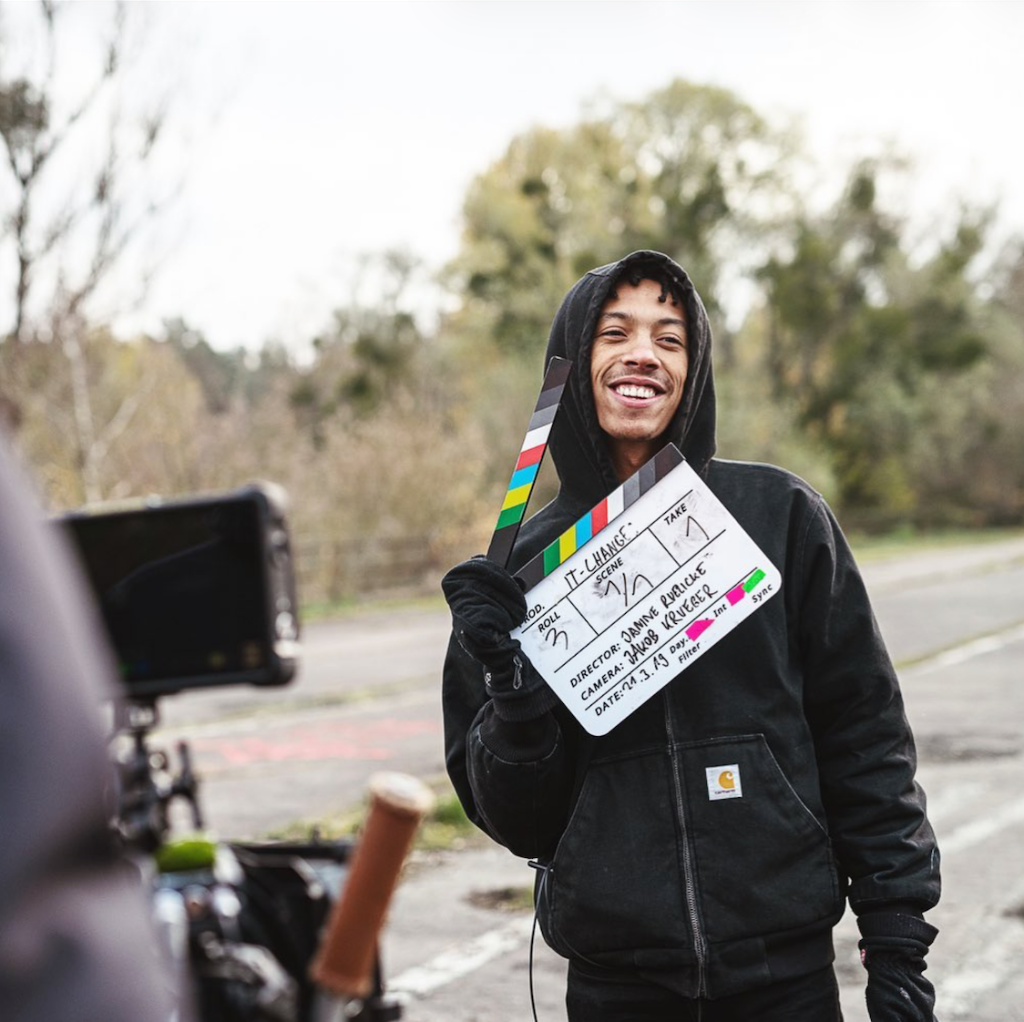
"I think it was a lot of things happening in the world, like stories that I didn't agree on. So I thought, why not write different stories, why not write different plots, imagine a different future."
© Djibril Vuille
AKUA STUDIOS:
What do you do? What is your passion?
DJIBRIL:
I'm a screenwriter and director. I also studied International Design Management in Lucerne and I've been making movies basically for my whole life. It all started with music clips with rappers in the city I grew up and now I'm still making movies.
AKUA STUDIOS:
What inspired you to become a writer?
DJIBRIL:
I think it was a lot of things happening in the world, like stories that I didn't agree on. So I thought, why not write different stories, why not write different plots, imagine a different future. Because a lot of things that I see happening in the world at the moment, they feel like fiction to me, but more in politics and real life. And so that's why I thought why not use fiction as a tool to write a better B-plot.
AKUA STUDIOS:
And what's the most rewarding part of your job?
DJIBRIL:
Imagination.
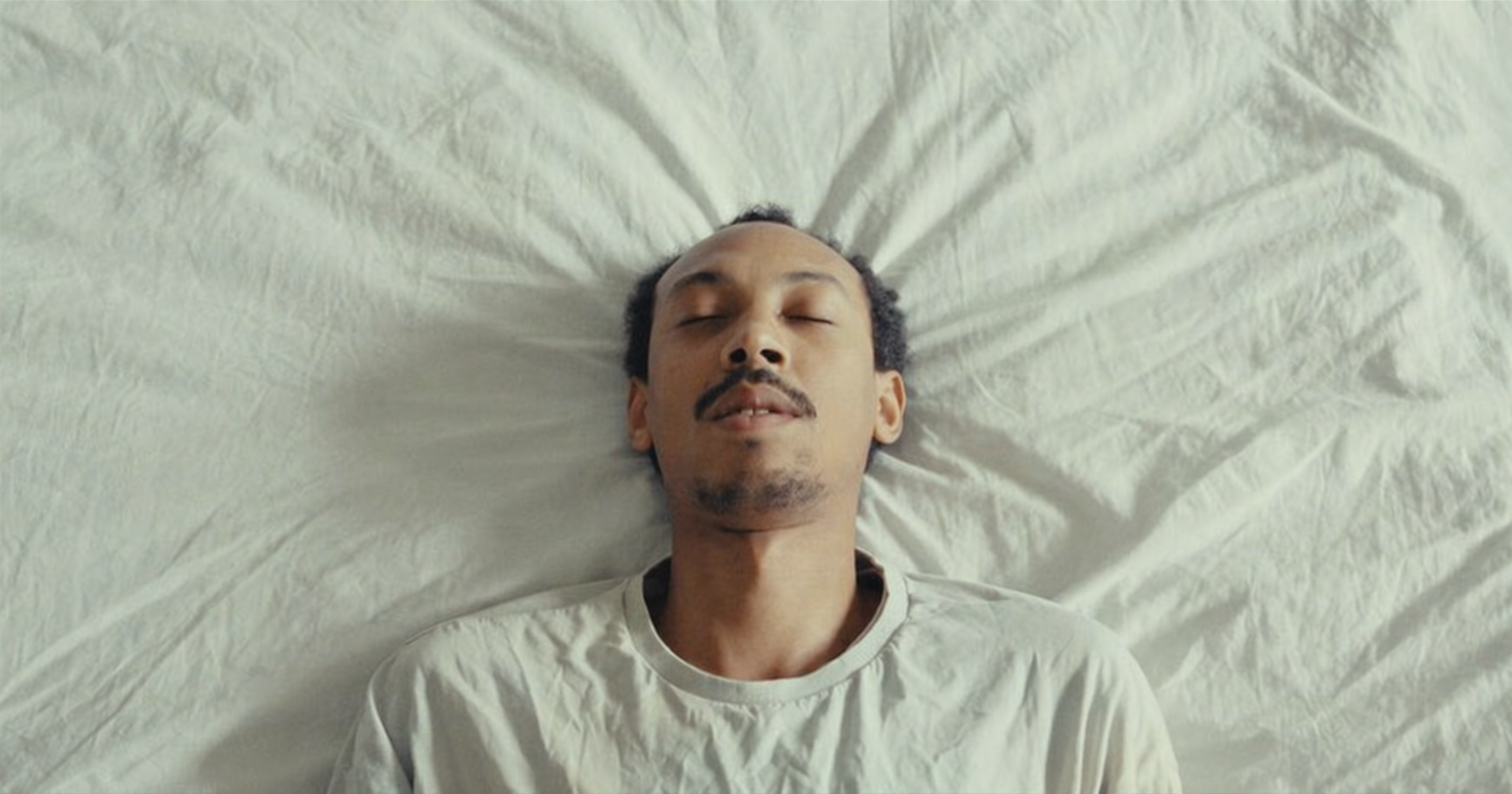
"I mean, I think writing is not only writing in front of the screen but also like living life and experiencing life through all sorts of sources (...)"
© Djibril Vuille
© Djibril Vuille
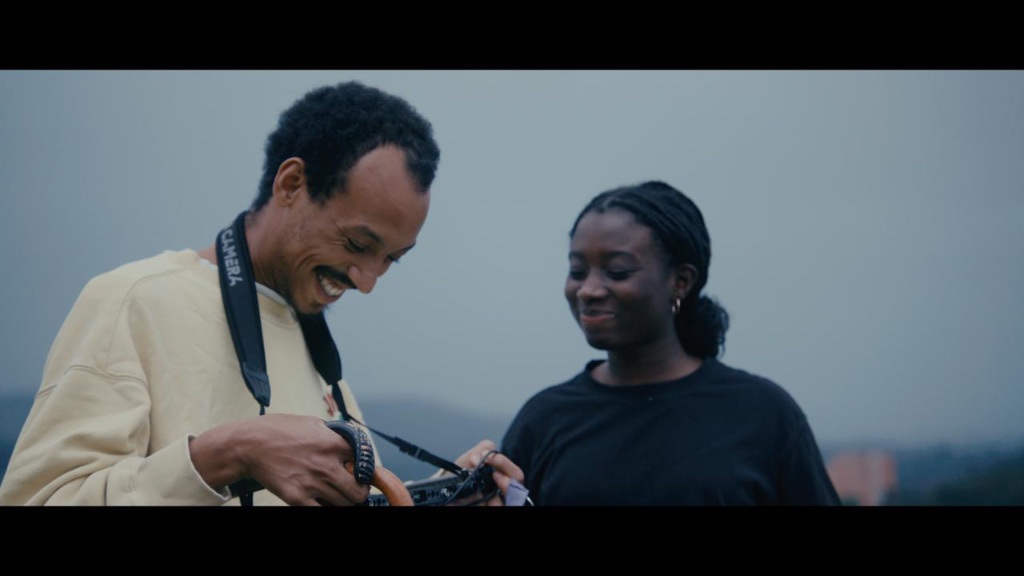
"I like tragic, and I like tragedies. But I also like to show the tragedy and make it a happy ending."
AKUA STUDIOS:
What do you want your audience to feel when experiencing your productions?
DJIBRIL:
I like tragic, and I like tragedies. But I also like to show the tragedy and make it a happy ending. I think in order to make it a happy ending, you have to know the tragedy first, because a lot of movies I grew up watching go straight to the happy ending without looking at the tragic stuff happening.
I think it all comes back to the last question you were asking about why I'm making movies in the first place, because there's so much tragic stuff happening in real life. And I think we have to face that tragedy in order to become better fiction writers, or better image-makers, or just a better society.
I think it all goes back to Ancient Greece, where they managed to make some extent of an intentional obstacle game, where they stated their intention and said what they want. And I think drama is a nice tool to really get to the core of what people need and what people want.
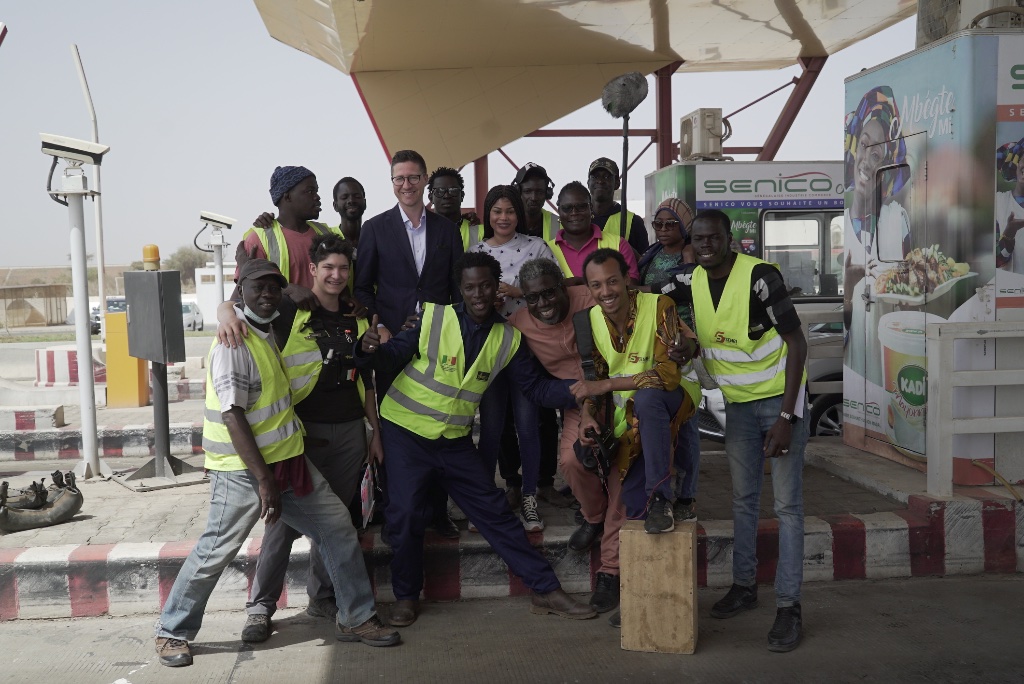
© Djibril Vuille
AKUA STUDIOS:
What should we be excited for in "Schoggi"?
DJIBRIL:
I always do a dedication, or I try to, for a screenplay: So for all of you "weirdos" who still think that chocolate grows in Switzerland — it doesn't grow there, it grows in other countries. It's not really only about Switzerland. It's more about how Switzerland is tied to other things. Like, also the tragedy, and the truth behind the tragedy, and how we could also make a happy ending. But then we have to know the tragedy first.
AKUA STUDIOS:
Whenever you feel stuck in your creative process, what do you do?
DJIBRIL:
I think often I go for a walk, or I do other stuff instead of writing. I go listen to music, I go dancing, I go study design management, or do other things — lots of things. I mean, I think writing is not only writing in front of the screen, but also living life and experiencing life through all sorts of sources, and learning, never stop learning about life.
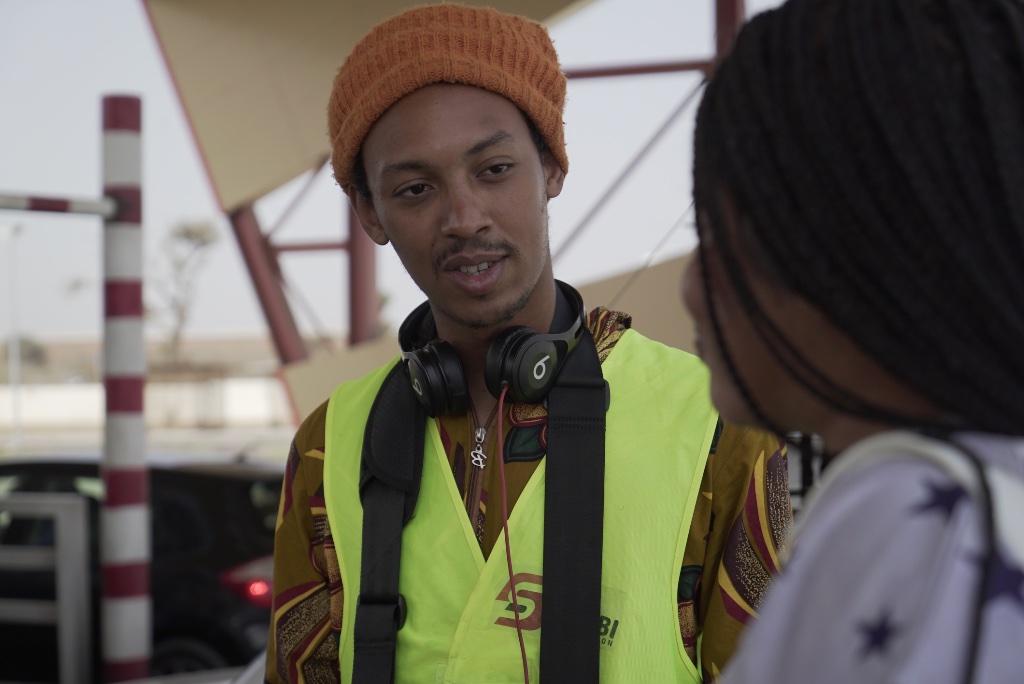
© Djibril Vuille
"But sometimes it's also like a game where you have to obey a certain narrative, because they want to put you in a bin where it's about activism or whatever. It might be about activism, but it might also just be about the truth, the accuracy of things."
AKUA STUDIOS:
What does visibility mean to you as a black creator from Europe?
DJIBRIL:
I think I have a kind of privilege in Switzerland because I know a lot of people, and my mother is white, so I have some white privilege as well. But sometimes it's also like a game where you have to obey a certain narrative, because they want to put you in a bin where it's about activism or whatever.
It might be about activism, but it might also just be about the truth, the accuracy of things. I mean, visibility is all sorts of things. It means what you see or what you don't see, or what people see or don't see. I don't know. Not everyone sees the same thing.
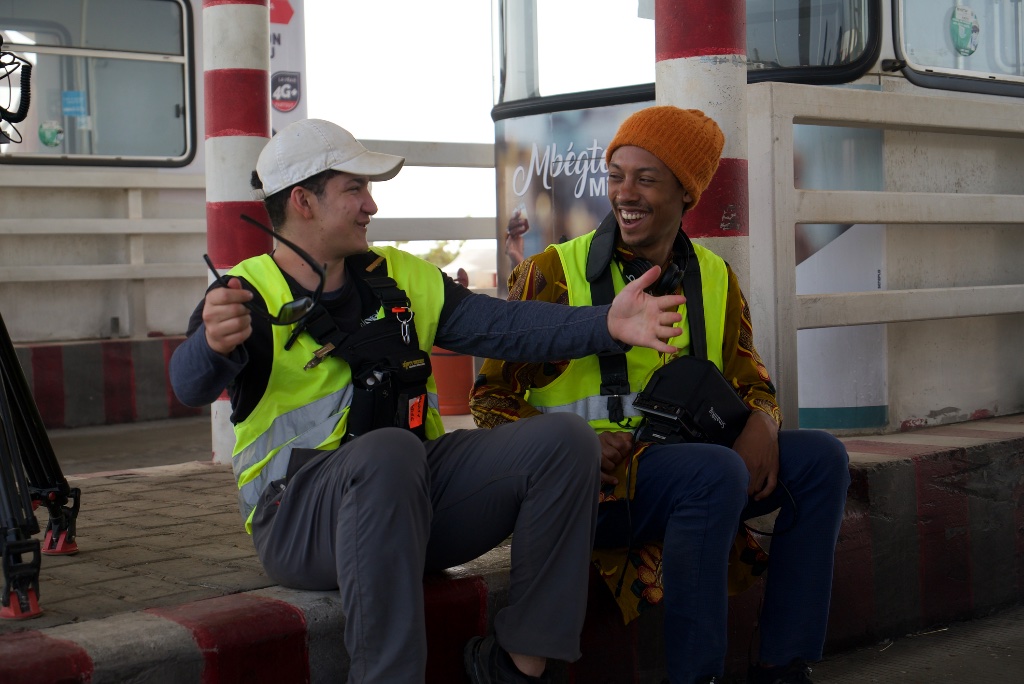
© Djibril Vuille
AKUA STUDIOS:
What's the gap between the diversity the creative industry performs publicly and what actually happens behind the scenes?
DJIBRIL:
I think diversity is a thing that became almost a eugenics thing at some point, where they just have to manage to quote off something and don't really care about real diversity. But in Switzerland, there is this kind of beat where they have to put everything in a quote sort of thing, which does not mean to be real diversity. Diversity would really be to represent everything and everyone. It means to represent as many people as there are in Switzerland and the real people that are in Switzerland and those are the people that I try to represent, not like an imagination.
AKUA STUDIOS:
How would you wish to see the creative industries evolve in the next 5 to 10 years?
DJIBRIL:
I think we have to manage diversity first, and it also has to do with education. That's why I'm studying design management, because a lot of education is also a kind of eugenics thing, it doesn't really care much about diversity, it just wants to print. And I think fiction writing is an important skill to manage diversity, because then you can explore all sorts of different imaginations, or things that could happen before you print them, or before you write them. And I wish for our culture also to manage that.
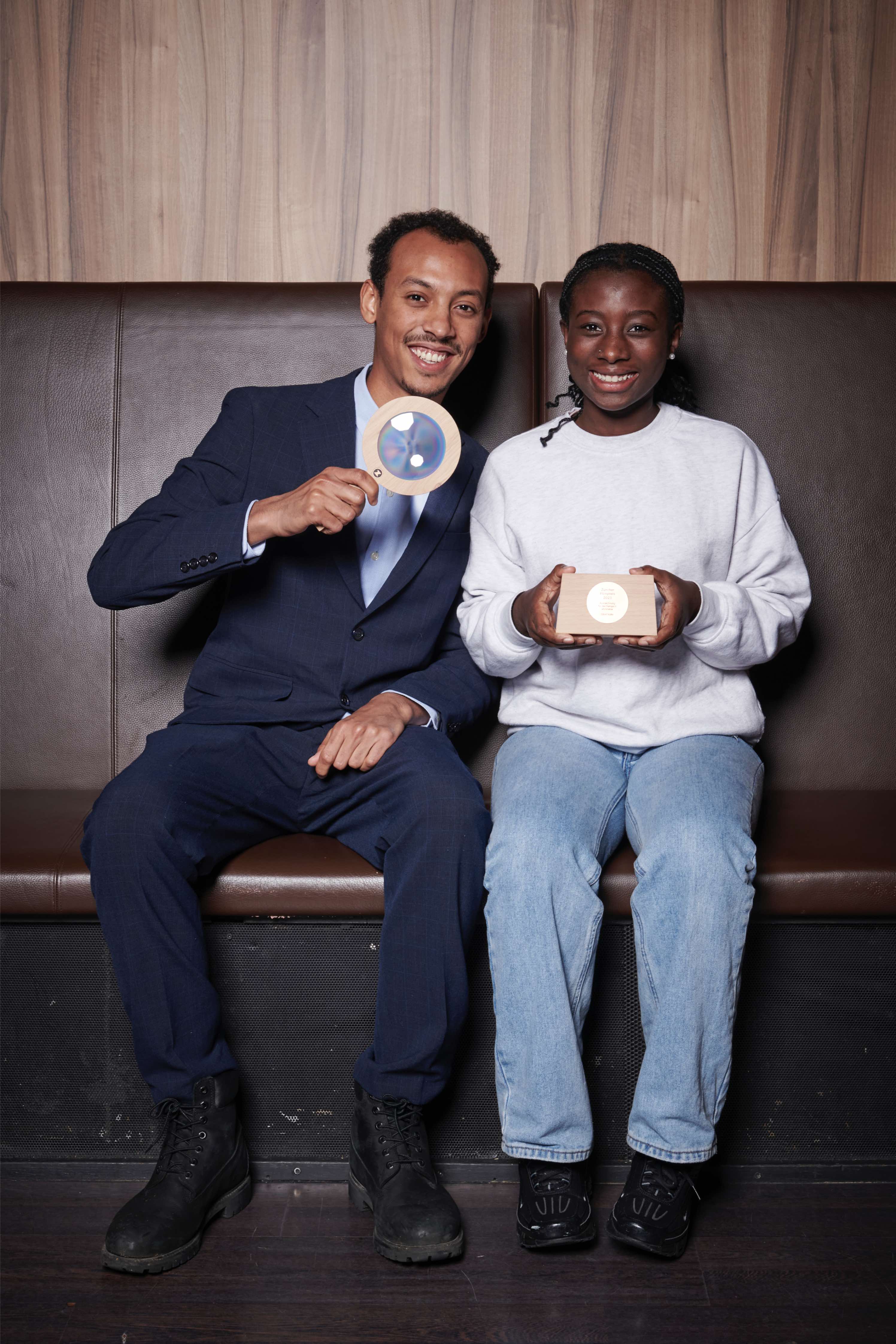
© Djibril Vuille
AKUA STUDIOS:
What does culture mean to you?
DJIBRIL:
For me, it's about reuniting things that really are our culture and not things that we imagine or plan from a concept base and say, let's print this concept on everyone. But really, what is our culture? Because our culture happens every day on the street. So it's important to see who are the people behind the culture and not just the imaginative concepts of people. That's not a real thing.
What to read next
Los Angeles · Photographer
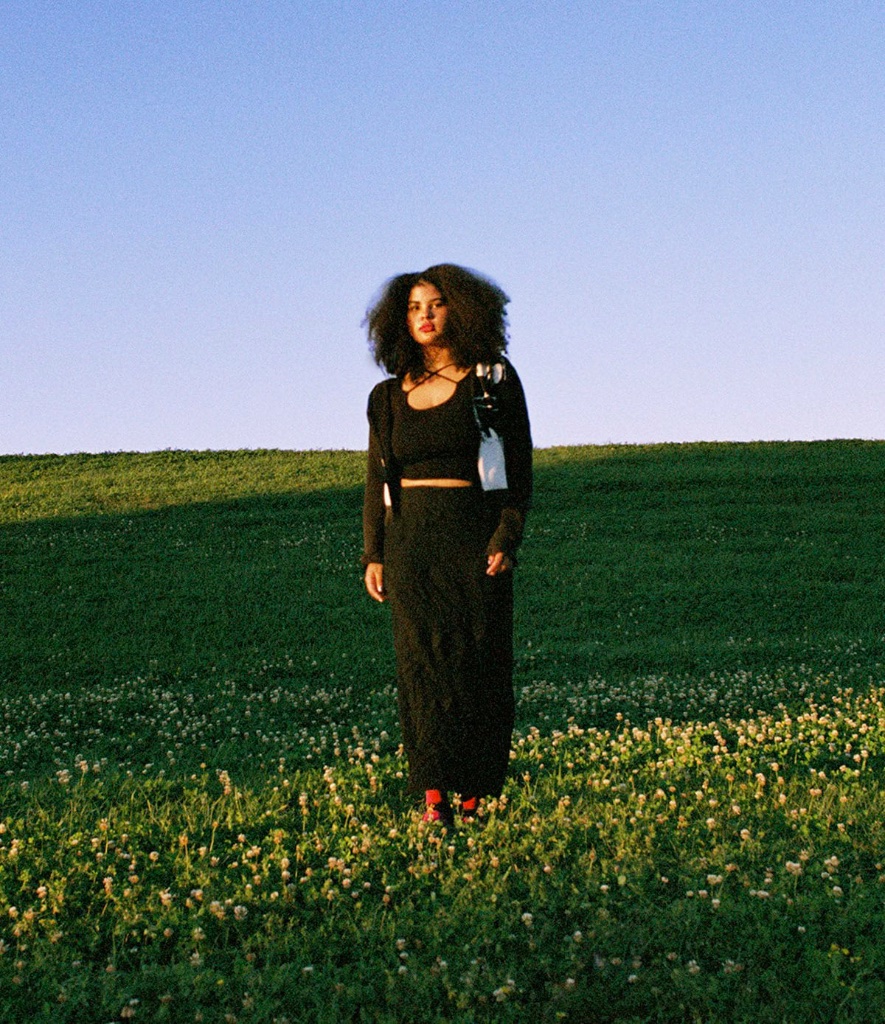
ARIELLE BOBB-WILLIS ON THE SWEETNESS OF PRESENCE
Arielle Bobb-Willis is a New York-born artist currently based in Los Angeles, using photography as a vessel for healing and a way to remain profoundly present in the world.
Zurich · Scenographer
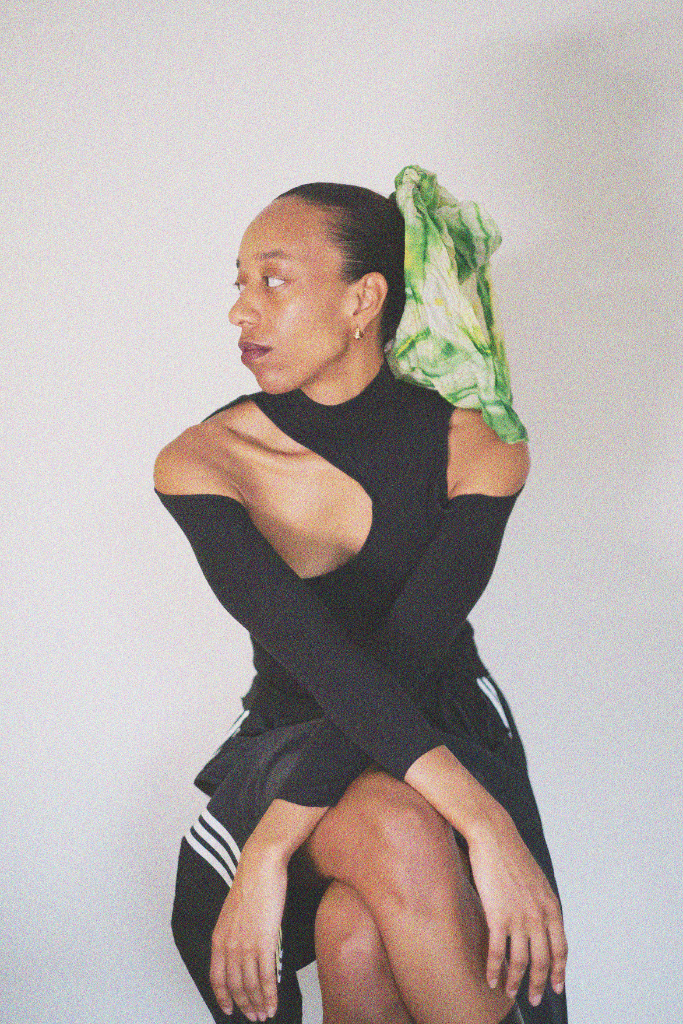
JOCLYNE OHOKA: NO PATIENCE TO WAIT ON INSTITUTIONAL CHANGE
In a landscape where BIPOC creatives often move between the desire for autonomy and the struggle for institutional inclusion, scenographer and curatorial assistant Joslyne Ohoka is tired of waiting for an invitation to the table. Instead, she is focused on the spaces built by fellow creatives like herself. From her work with the BIPOC-centered Kusasa Pop-Up Gallery to supporting the "Blackstammtisch" at Zurich's Migros Museum, Joslyne's practice is centered on the literal reclaiming of space and the rejection of the hollow promises of diversity. She opens up about tokenism, the beauty of building creative spaces from within, and why waiting for institutions to act is no longer an option.
Amsterdam · Creative Producer
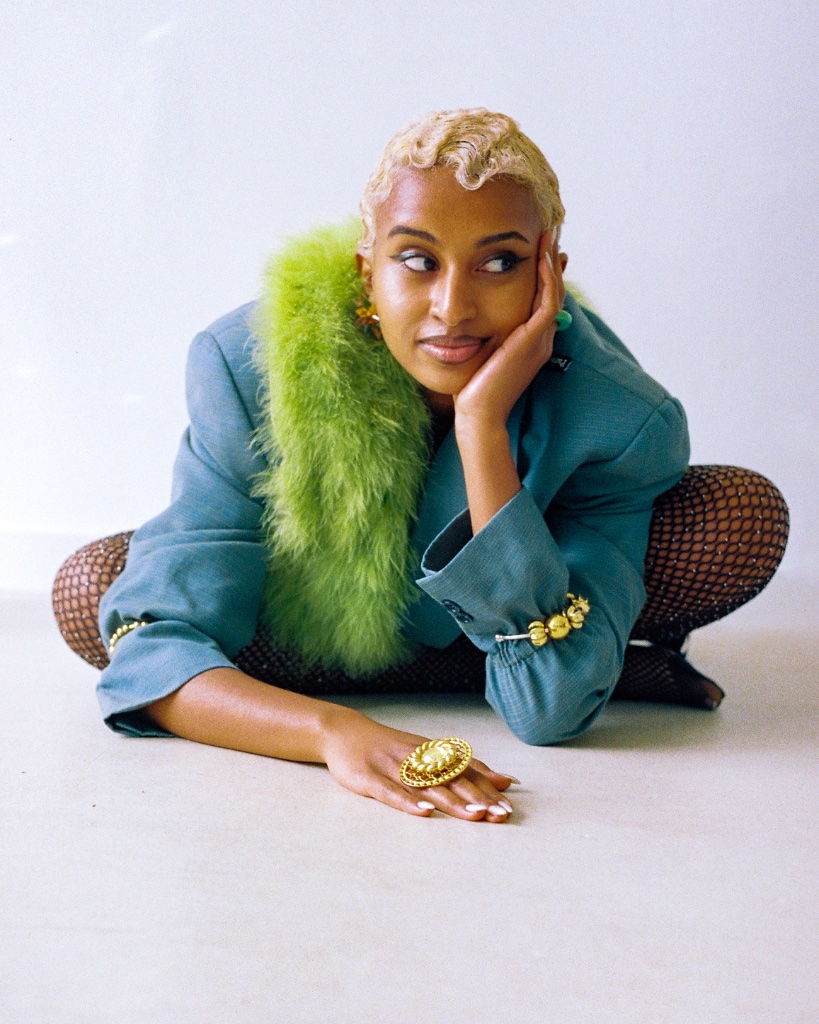
RAKEB ACCAL: SHAPING SPACES WHERE WELLNESS AND CULTURE MEET
Moving between the worlds of artistic expression and collective care, creative producer Rakeb Accal is shaping spaces where wellness and culture intersect, especially for women of color. Rakeb prioritizes the rituals, the stillness, and the deep connections that make projects feel alive over the final output. She advocates for a new industry standard: one that prioritizes human connection and cultural integrity over mere productivity. Here, Rakeb opens up about true visibility- one that shows up with softness, complexity, and life in its own rhythm.
London · Visual Artist
LAKIN OGUNBANWO: A MEETING POINT OF IDENTITIES
For Lakin Ogunbanwo, the creative process is an act of self-observation. Once known primarily as a photographer, the Nigerian artist is now expanding into collage and writing, refusing to define his practice too neatly. While his work often travels to European markets, Lakin remains firmly rooted in the cultural logic of his home, viewing the Western art world as a marketplace rather than a source of belonging. We spoke with the London-based creative about the power of staying curious, the nuances of Yorubaness, and why true authenticity comes from creating for your own community first, while letting the rest of the world simply bear witness.
Follow us on Instagram to stay updated on all things
AKUA STUDIOS

